




Electromagnetic compatibility (EMC) shapes the destiny of every electronic device, from the tiniest wearable sensor to the largest piece of industrial automation. Regulatory compliance depends on striking this balance: every device must operate in the electromagnetic environment without being either the local troublemaker or a helpless victim.
A key step is identifying the EMC standard that matches your device and its target market. For a heart monitor, the requirements are strict as nobody wants their heart rhythm disrupted by stray emissions. In the automotive world, the spotlight is intense: failing an automotive EMC test can put the brakes on market entry.

We at AJProTech have watched EMC compliance become vital for successful product launches, especially in medical, transportation, and industrial fields. Timing matters: EMC testing should be woven throughout every development cycle, not left until the end.
Emission and Immunity: Core Concepts of EMC Test
Every EMC test revolves around two key challenges:
- Emission: How much energy does your device emit?
- Immunity: How well can it operate in a world full of electromagnetic interference?
Think of emission as your product’s volume knob. If it’s turned up too high, it may drown out the neighbor’s Wi-Fi, the garage lights, or your customer’s pacemaker. Emissions testing comes in two main forms:
- Radiated Emission: Checks how much electromagnetic energy escapes into the air.
- Conducted Emission: Covers what travels along power or signal wires, mostly below 30 MHz.
Immunity is the other side of the coin. It determines if your device can keep working when faced with all sorts of electromagnetic chaos like static zaps, electrical fast transients (EFT), surges, and radio-frequency signals. For medical devices, it’s crucial they maintain function even when zapped by static electricity; nobody wants a surprise reboot in the ER. Relevant EMC standards dictate both scenarios and the test severity.
These tests often occur in specialized spaces like semi-anechoic chambers, which block stray signals so you can trust your data.
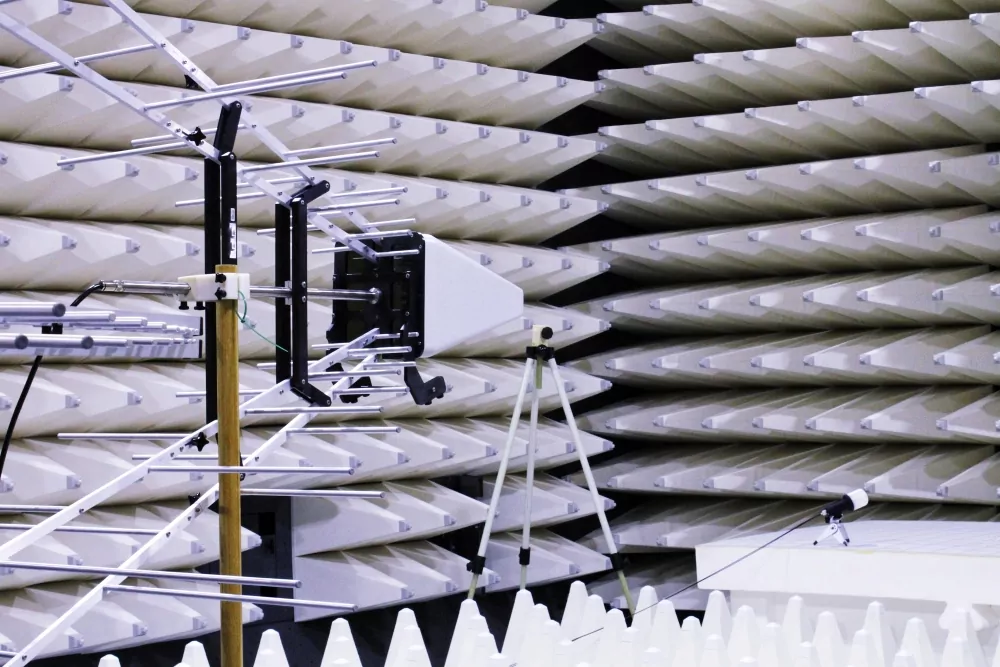
If EMC is mishandled, you risk market rejection, device malfunctions, or costly recalls. Smart teams seek guidance and perform pre-compliance checks during prototyping to catch problems early.
Why EMC Testing Matters for the Global Market
Globally, EMC compliance is not a suggestion, it’s your ticket to participate. Major markets like the EU (with CE marking), the US (FCC), and others enforce strict requirements. If your product can’t prove it’s a respectful member of the electromagnetic community, doors close. Sectors like automotive, medical, and aviation raise the bar even higher; failure here can threaten safety and lives, not just reputations.
Certification often means working with labs accredited to international standards, like IEC or CISPR. Experienced teams know: “just passing” once isn’t enough. Even software updates or hardware changes may require another round of compliance testing. Standards move fast, and so must we. Early investment in EMC best practices pays back in fewer redesigns, lower warranty claims, and greater market trust.
When the line between triumph and disaster is measured in microwatts, a strong EMC focus isn’t optional. Whatever your approach, staying current with evolving standards and reliable testing is a must for global success.
The EMC Testing Process: From Pre-Compliance to Certification
During pre-compliance, prototypes undergo core EMC routines: simplified but thorough checks that mimic the full-scale emissions and immunity tests needed for certification. The aim is clear: identify potential problems early, before failing expensive formal tests burns both time and money. For example, a medical device can be held back if its emissions threaten other nearby hospital equipment.
Typical methods include using portable spectrum analyzers, test antennas, and makeshift shielded enclosures. These tests can’t replace certified lab evaluations but are effective in:
- Spotting interference sources early
- Adjusting layout and components before finalization
- Limiting last-minute surprises during formal testing
Smart engineering teams adopt EMC best practices from initial breadboards: adding test points, managing cable routing, and treating every review as if a strict EMC examiner is watching. It’s the best time to experiment: swap power supplies, optimize ground planes, try ferrite beads, and watch the spectrum clean up.
Quality pre-compliance not only improves your odds of passing, it can save real money by avoiding major setbacks.
Accreditation, Qualified EMC Laboratories, and Recognized Testing Lab Choices
Choosing the right EMC lab is crucial. Accreditation sets the standard: look for ISO/IEC 17025, which ensures test accuracy and traceability.
- Testing in an unaccredited lab may not impress regulators: they may force expensive retests.
- Reputable labs use advanced tools: semi-anechoic chambers, precision antennas, calibrated spectrum analyzers.
For automotive products, testing services should meet stringent standards specific to the industry. Many global brands require third-party, unbiased test results; self-declaration often suffices only for low-risk products.

Experienced labs provide more than just a pass/fail, they also help diagnose issues and offer fixes, which can mean shipping on time or disappointing CEOs. Accredited labs are especially vital for medical and wireless devices targeting various countries, as standards like IEC and CISPR are complex and always changing.
Selecting a partner with recognized credentials means your test results have weight with regulators and clients alike, offering confidence if issues arise after testing.
Testing Services and EMC Pre-Compliance Support
Facing the maze of EMC test requirements often brings teams a soup of regulations, certification demands, and daunting paperwork. The best advice? Engage testing services early and treat pre-compliance as an investment, not a formality.
Savvy companies run pre-compliance trials well before finalizing their bills of materials. That way, failures affect only a prototype, not a warehouse full of products.
A variety of EMC testing services are offered today, including:
- Emissions and immunity tests
- Full laboratory assessments for power supplies, connectors, and wireless modules
- Advisory help during design and certification
Top facilities boast semi-anechoic chambers and recognized test results for government certification. When choosing a testing services partner, always check their accreditation, service scope, and industry experience. Not all labs are equal.Nobody wants expensive retesting, market bans, or fines. Leading companies use hardware engineering support for validation and repeat EMC tests as things evolve. This loop of “design, test, refine, repeat” may not grab headlines, but it’s the most reliable path to fast certification and lasting customer trust. Consider it the “practice before opening night” of device development: each successful trial keeps you onstage and off the recall list.