

Physical Vest Design and Ergonomics
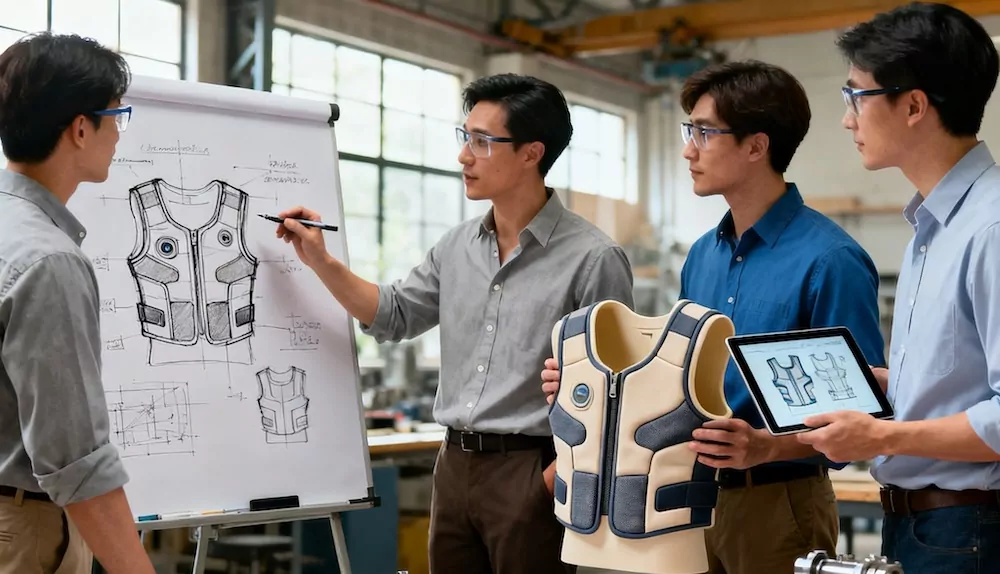
Designing the vest is a technical balancing act between comfort, adaptability, and high-quality force coverage. The more comfortable and unobtrusive the device, the deeper the user’s immersion.
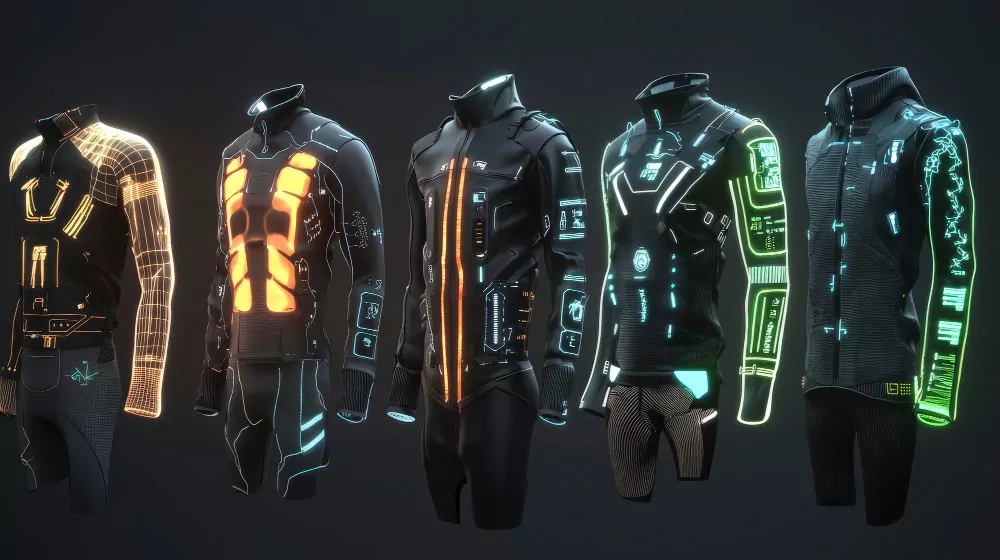
Industry innovation starts with advanced fabrics that are both lightweight and breathable. Some vests feature mesh textiles while others use stretchable neoprene to distribute pressure evenly across the torso.
A common challenge is accommodating batteries and actuator arrays without making the vest resemble futuristic body armor. Large batteries may keep the vest running longer, but they risk turning the user into the world’s slowest turtle.
- Fasteners and adjustability: Key for haptic immersion. Classic designs use Velcro, buckles, and zippers for quick suiting up, but these can add discomfort if not well-padded. Newer vests experiment with magnetic closures, though magnets are not always perfect.
- Actuator distribution: Arranging actuators along anatomical landmarks (like the spine, ribs, or sternum) improves realism, but only if straps and seams don’t distract or restrict movement.
- User comfort details: Adjustable shoulder tabs, sweat-wicking linings, and removable panels for cleaning are small details that elevate a great device above one destined for the closet with abandoned fitness wearables.
Embedded Electronics and Controllers
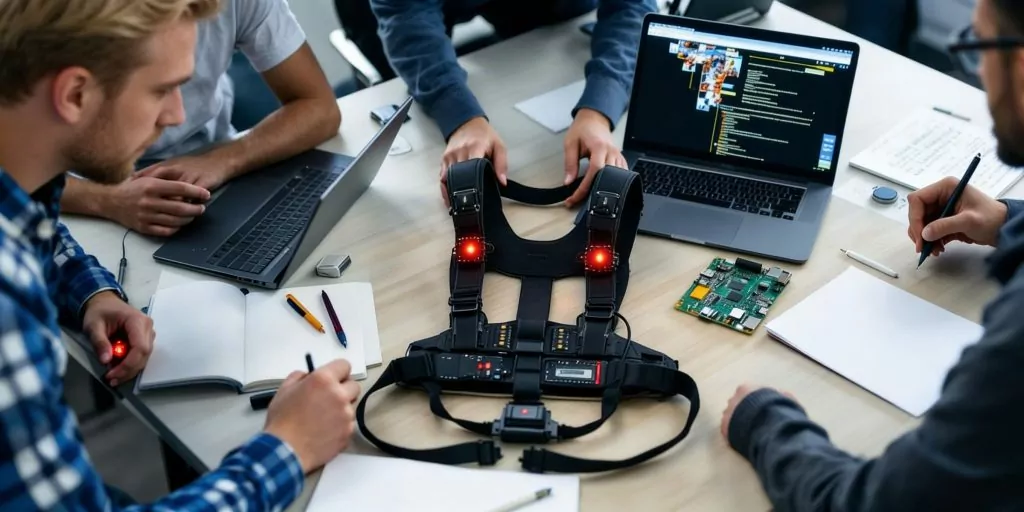
The embedded electronics and controllers are the heart and brains of any haptic vest. It might seem like science fiction but it’s just custom PCBs and precisely routed wiring designed for efficiency and ease of use.
The perennial designer debate of custom printed circuit board (PCB) versus commercially available off-the-shelf (COTS) solutions:
- Custom PCBs: Allow tailored shapes and precise integration for fitting odd vest contours and streamlining actuator connections. However, they’re pricier and can stretch development timelines.
- COTS modules: Appealing for prototypes or pilot runs but may not fit curves well and are prone to adding weight and heat.
- Embedded controllers: Typically microcontrollers selected for low power draw and strong wireless communication. They manage timing, feedback strength, and real-time sync with the user’s virtual experience.
Controller firmware must process multiple data streams, minimize latency, and maintain real-time accuracy. Firmware development splits into two camps: open-source for rapid innovation and flexibility, or proprietary for tighter integration and frequently more stable performance.
Heat management is another concern; clever engineers use thermal vias, copper pours, and even tiny fans to avoid creating a wearable toaster oven. Creating reliable haptic electronics is all about balancing flexibility, performance, and comfort while ensuring the vest stays as discreet as possible beneath clothing.
Actuator Array and Placement
Every haptic engineer knows that a vest’s magic lives in its actuator array. These silent workers turn signals from a VR controller into sensations like a tap, a thud, or a shiver. Designing an effective actuator setup means juggling engineering challenges: cut corners, and your virtual explosion feels like a shy nudge.
Optimal designs strike a balance between sensation density, weight, battery life, and heat management. Rather than packing actuators everywhere, many vests use zone-based designs, clustering them in high-impact areas such as the upper back and chest.
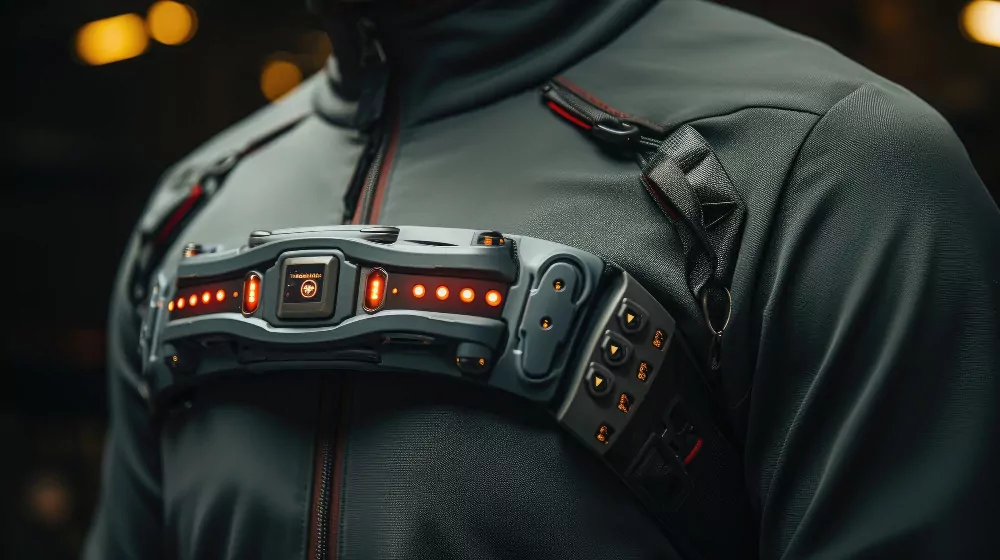
Placement is deliberate:
- Sensitivity mapping: Certain parts of the body (like the sternum) are more sensitive, so actuators are strategically placed based on how humans perceive touch.
- Avoiding crosstalk: Overlapping signals from too many actuators can muddle sensations. Timing and coordination are key to keeping latency low and feedback realistic.
For more on embedded actuator technology and integration, AJProTech’s hardware engineering insights are helpful, especially for those considering a product development journey.
Actuator Technologies in Haptic Devices
Vibration haptics are the backbone of most haptic vests, launching users into virtual worlds with every buzz or jolt. The engineer’s big question: which delivers richer feedback between classic vibration motors and the piezoelectric elements?
- ERM motors: The old workhorses, offering reliability and affordability. These produce tactile effects by spinning an uneven weight. Great for forceful cues in action games, but lack precision for subtle sensations.
- LRAs: For those wanting greater realism. LRAs move a mass in a straight line for sharper, more controlled vibrations. They offer higher fidelity but need precise electronics and complex firmware. Maintenance may be tricky due to wear after heavy use.
- Piezoelectric actuators: Piezoelectric elements use crystals that bend under voltage, producing fast, power-efficient feedback, such as footsteps or heartbeats. However, they’re fragile and less suited for high-force effects.
Engineering teams must balance price, responsiveness, power needs, reliability, and sensation realism. An ideal vest often combines vibration technologies: ERM for big impacts, LRAs and piezos for detailed cues. This hybrid approach demands precise integration, robust signal processing, and low-latency hardware. Even a one-millisecond lag can shatter immersion.
The secret lies in how everything works together: timing, placement, and smart control. Details such as avoiding signal crosstalk, isolating components, and ensuring user comfort require careful, expert planning.
Pneumatics and Alternative Haptic Actuators
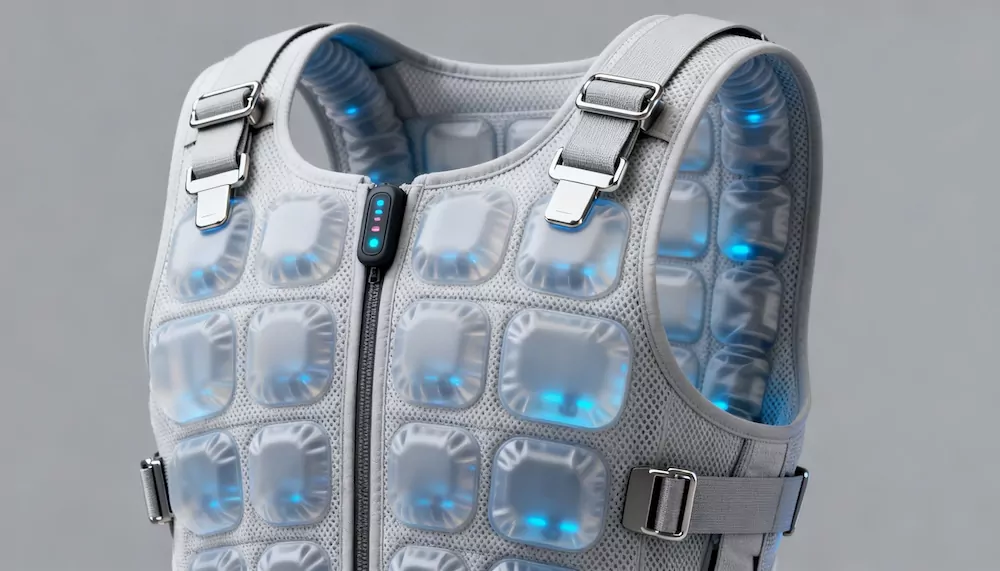
Though vibration is dominant, other haptic actuators are making their mark, opening up new types of sensations and feedback. Pneumatic haptics bring a new sense of realism, gently squeezing or tightening to mimic tension or alert danger.
- Pneumatics can mimic the feel of harnesses or warning signals but require pumps, valves, and bladders. These add bulk, weight, and sometimes noisy operation, a challenge for stealthy use.
- Smart materials and compact layouts help, but safety remains crucial: a stuck valve can quickly turn feedback into discomfort.
Cutting-Edge Research and Future Haptic Technology
The latest innovations in haptic vests aren’t just keeping pace with virtual reality, they’re actively shaping how immersive interaction evolves. Ongoing research in haptic technology is pushing feedback systems far beyond basic vibration, opening the door to richer, more responsive experiences.
Artificial intelligence is a major catalyst in this shift. A next-generation vest can learn user preferences, recognize in-game events, and adapt feedback patterns in real time without manual configuration. For VR developers, this means moving away from static presets toward dynamic, personalized interactions that feel alive.
Innovations in Virtual Reality and Meta Integration
As haptic feedback becomes more seamless and lifelike, users experience a stronger sense of presence: that critical moment when you don’t just see virtual rain, gunfire, or heartbeats, but physically feel them. This heightened realism is now a central goal across the VR industry.
Major technology companies are racing to define new immersive standards. Rather than building isolated, proprietary ecosystems, the industry is shifting toward interoperability, allowing a single haptic vest to function across multiple VR platforms, devices, and future metaverse environments. This push includes investments in:
- Cross-platform software development kits (SDKs)
- Unified controller and haptic APIs
- Robust, low-latency wireless communication protocols
Researchers now explore integrated IoT approaches so vests can connect to smart home, health, or security devices. Imagine: a vest that vibrates if the front door opens at night, or guides a visually impaired user safely through a crowd using subtle haptic cues.
Another parallel frontier is full-body haptics. In this model, the vest acts as a central hub, coordinating feedback with sleeves, gloves, or pants to synchronize sensations across the entire body. This approach promises deeper realism for gaming, professional training, telemedicine, and remote collaboration.
Advanced Immersive Experiences in Gameplay
Few industries embrace new technology like gaming, but advanced haptics require balancing: too much overwhelms, too little disappoints. Modern haptic vests now feature actuator matrices for pinpoint vibration, from stealthy footsteps to explosive booms.
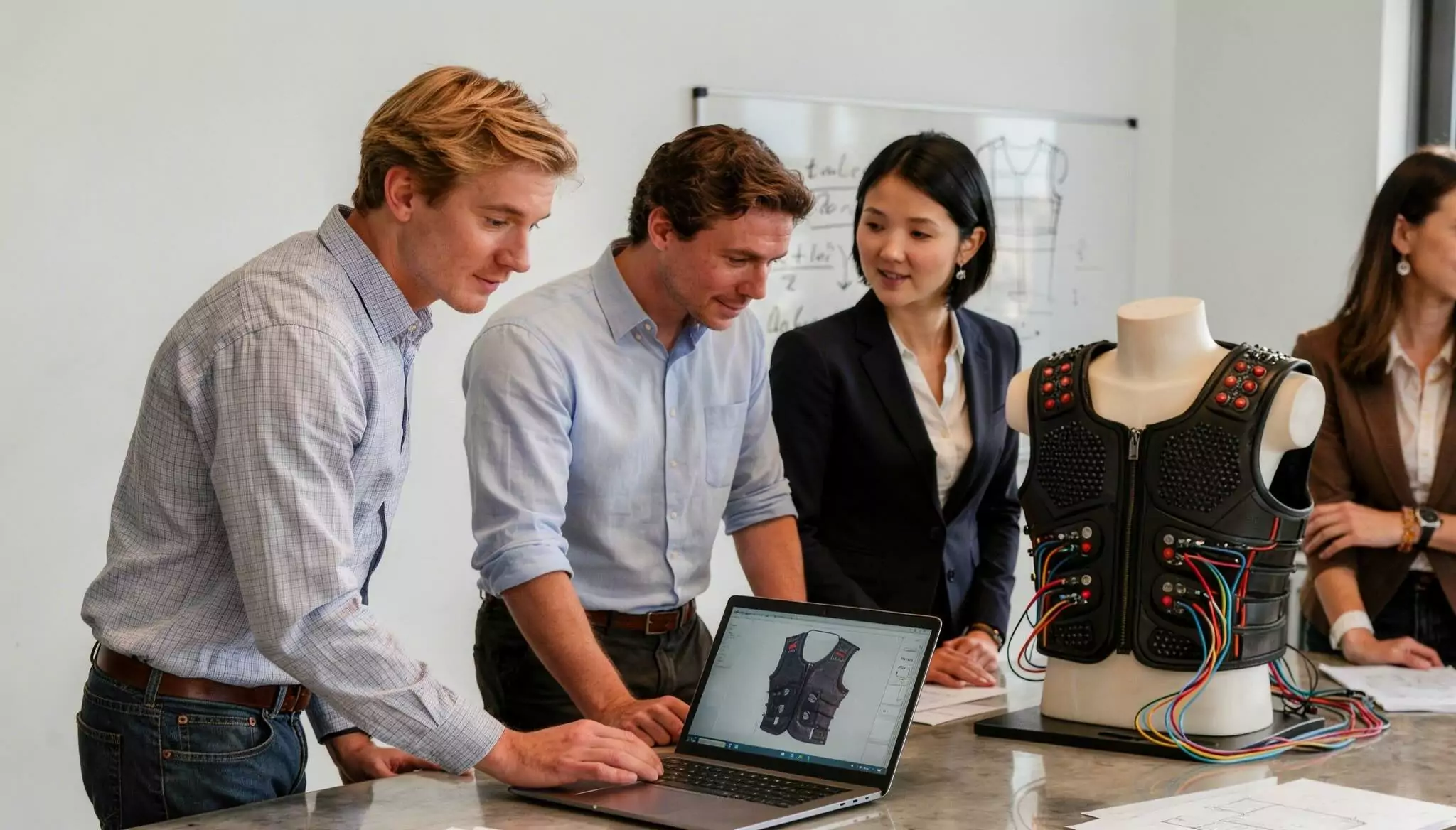
Technical teams coordinate digital signals and feedback sequences, adjusting for timing, duration, and anatomy. For example, a shotgun blast should trigger chest actuators, while a virtual dragon flying behind should ripple from back to front. True realism comes from precise hardware, low-latency protocols, smart cue management, and predictive signal handling.
- Game studios now collect user feedback during playtesting, refining haptic responses, actuator design, and comfort features.
- Personal adjustment is important; sensitivity controls are now standard.
- Fatigue is real and even the best vest can be shelved if uncomfortable after 20 minutes.
- Vests level the playing field in e-sports and support accessibility for players with hearing loss by converting audio cues to vibration.
Beyond entertainment, these advances matter for real-world training, such as firefighter practice, disaster simulation, or sports. The same actuator networks that thrill gamers can simulate resistance, impact, and spatial awareness for critical scenarios.
At AJProTech, we are investigating how improved ergonomics, vibration arrays, and collaborative signal systems can help in demanding simulations and sophisticated accessibility solutions. The horizon is expanding: soon, one vest may help users navigate city streets as well as virtual landscapes, translating each step, pause, or tap into a vital, context-aware sensation.