



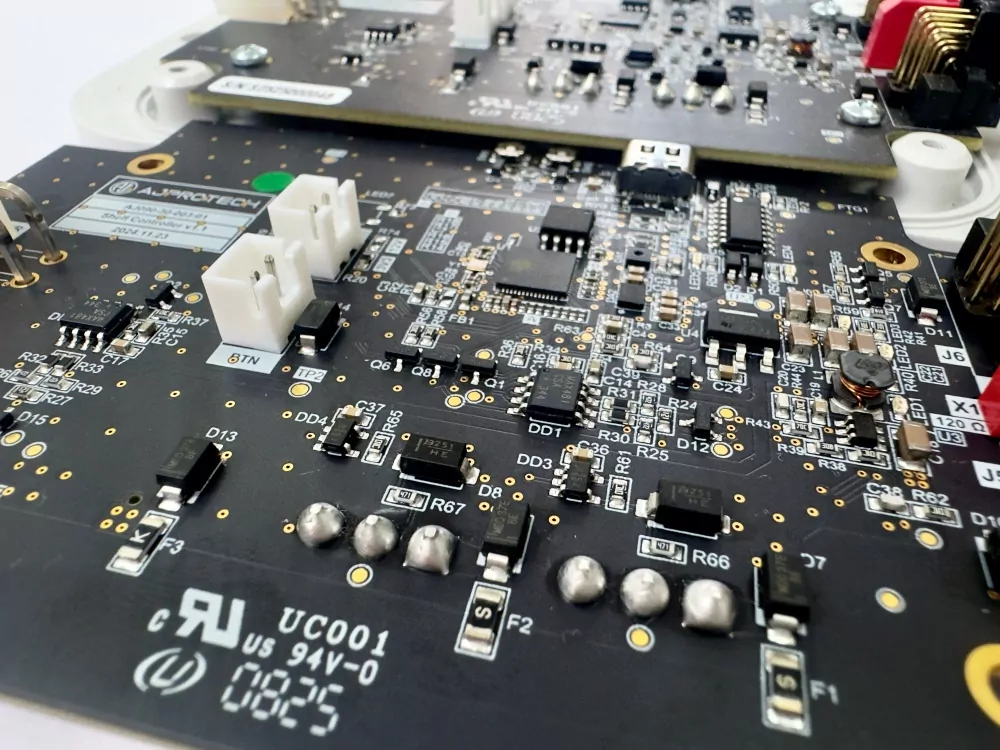
Embedded system design stands apart because it solves focused tasks through the fusion of specialized hardware and software. Unlike traditional computers, which are built for countless uses and endless browsing, an embedded system is more like a Swiss Army knife with just the blade you need: focused, efficient, and never burdened by extra features. The aim is clear: to develop a unit that performs its single job with maximum reliability.
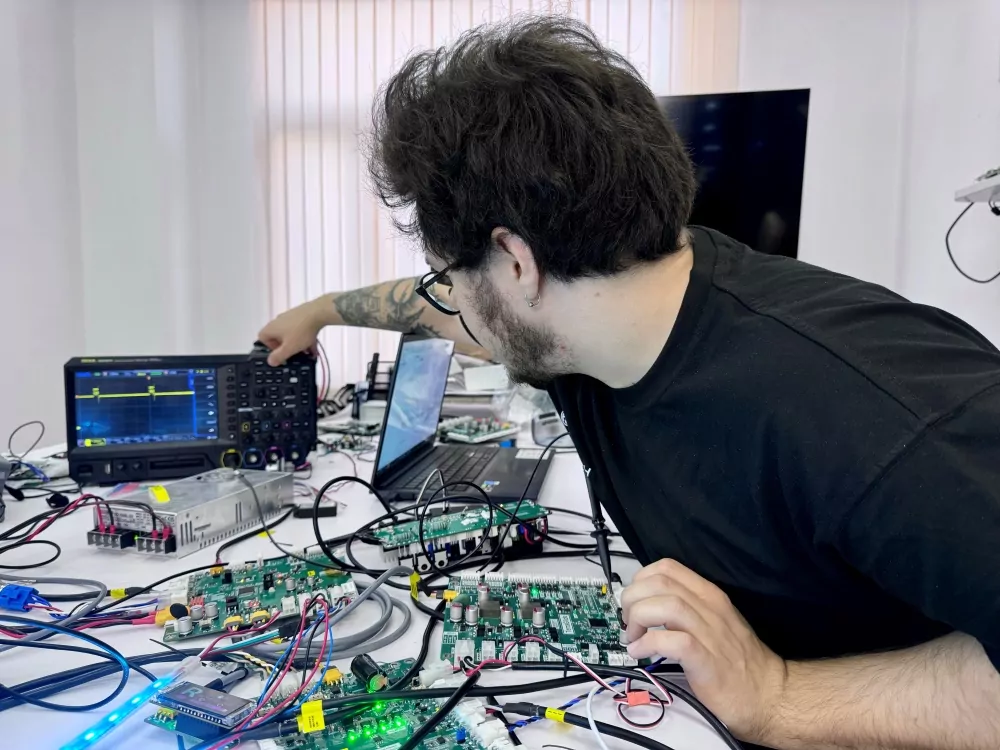
The design journey requires constant balance: cost, speed, upgradability. Novice designers who skip proper modular planning, ignore hardware-software linkage, or rely too much on off-the-shelf solutions risk running into problems.
Embedded System Design Cycle in Four Core Stages
Embedded system design can be simplified into four main stages, each covering a critical part of the development process. In practice, these stages often overlap, but together they form the foundation of a reliable and efficient design cycle.
| Stage | What Happens at This Stage | Why It Matters |
| Requirements and architecture | The team defines system goals, performance targets, power limits, environmental conditions, and real-time needs, then translates them into a high-level hardware and software architecture. | This stage sets the technical direction of the product and helps prevent costly design mistakes later. |
| Component and hardware design | Engineers select core components such as processors, sensors, memory, and power parts, then create schematics and PCB layouts that support performance, reliability, and manufacturability. | The decisions made here shape cost, power efficiency, thermal behavior, and long-term product viability. |
| Firmware development and integration | Software engineers develop drivers, control logic, communication functions, and system behavior, then integrate the code with real hardware. | This is where the embedded system begins to function as a complete product rather than a set of separate parts. |
| Testing and refinement | Prototypes are validated against functional, timing, thermal, and environmental requirements, and the design is improved based on test results. | Testing reveals real-world issues and allows the product to be refined before production. |
How to Optimize Each Stage
Requirements and Architecture
- Start with real operating conditions, not ideal assumptions, and define power, timing, and environmental constraints as early as possible.
- Keep the architecture simple enough to support reliable integration, but flexible enough to handle future adjustments.
- Clear boundaries between hardware and software reduce confusion and save time later.
Component and Hardware Design
- Choose components based not only on performance, but also on availability, lifecycle support, and ease of integration.
- In hardware design, pay close attention to power delivery, thermal behavior, and signal integrity from the beginning.
Firmware Development and Integration
- Write firmware with hardware limits in mind, especially when timing, memory, and power are constrained.
- Bring software and hardware together early, because integration often reveals issues that isolated development does not.
- Modular code, solid debugging tools, and early driver validation make the process much smoother.
Testing and Refinement
- Test the system under realistic conditions, including edge cases, temperature changes, unstable inputs, and long runtime scenarios.
- Use each test cycle to improve both performance and reliability rather than just fixing visible bugs.
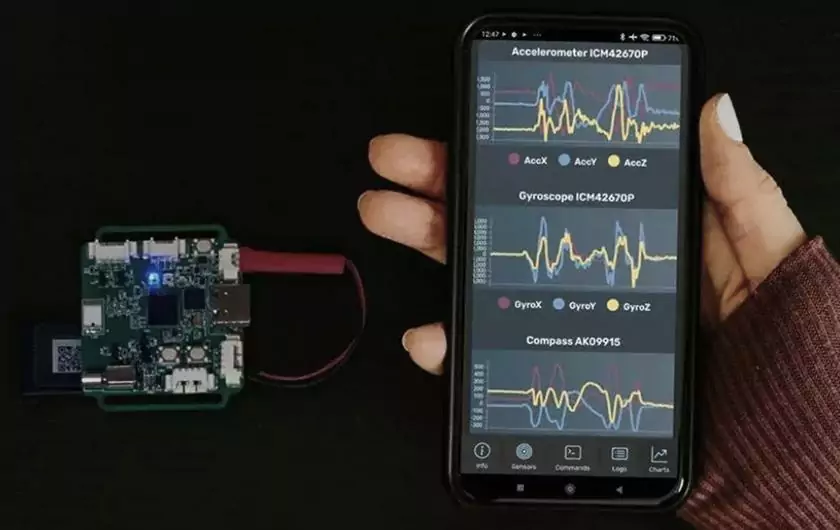
The goal is not only to make the prototype work, but to make the final product dependable in the real world.
Challenges in Embedded System Design
Unlike desktop computers, embedded devices operate with hard limits: CPU speed, memory size, and power consumption are all tight, often due to necessity more than choice. It’s like preparing a feast using a single-burner stove. Every decision matters.
The microcontroller isn’t picked for raw speed, but for how well it balances compute tasks, sips milliwatts, and fits on a tiny board. Real-time constraints raise the stakes: any delay in sensor data or a slow actuator response could hurt safety-critical tasks. Whether in braking or medical monitoring, response must be on time, every time.
- Deterministic scheduling and tight interrupt configuration
- Purpose-built real-time operating systems
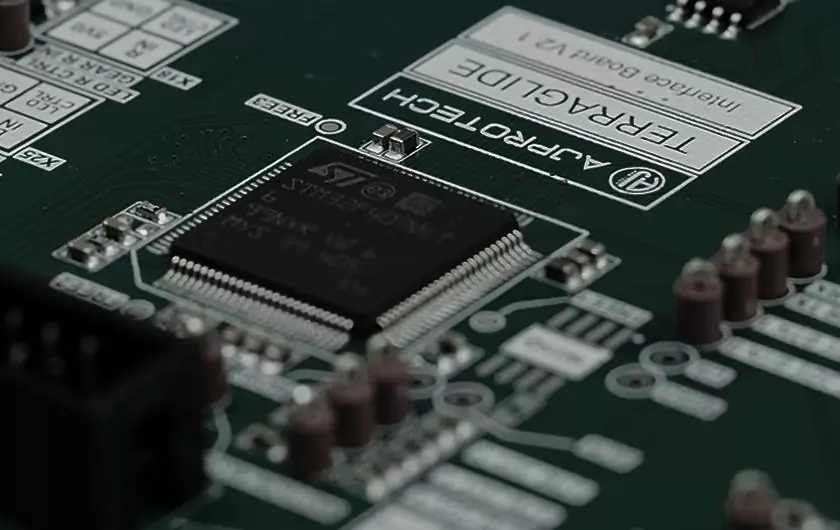
Designers manage many trade-offs: is faster boot time worth higher power draw? Will off-the-shelf peripheral chips speed things up or lead to headaches? Creativity, efficiency, and reliability are key to squeezing out every ounce of performance from each clock cycle and byte.
Applications of Embedded Systems in IoT and Other Domains
Embedded system design forms the backbone of the Internet of Things (IoT) and many industries. Each “smart” object hides a specialized world of hardware and firmware. These systems blend sensors, microcontrollers, and networking modules to create intelligent, quiet, and error-free connections.
Requirements vary by domain:
- Home IoT devices (smart lights, thermostats): prioritize low power and wireless convenience (Wi-Fi, Zigbee).
- Industrial IoT solutions: focus on real-time guarantees, harsh environments, and secure communication.
- Healthcare systems: need real-time processing, fail-safes, and redundancy: think pacemakers and patient monitors.
- Automotive applications: run everything from sensor fusion for braking to infotainment systems: balancing modules, interfaces, and specifications.
In the world of IoT and embedded innovation, prototypes serve as more than blueprints, they’re full dress rehearsals. Reliable prototypes let designers catch design flaws under simulated real-world conditions.This matters most in consumer electronics and wearables, where product longevity relies on battery life, wireless connections, and user-friendly interfaces. For more on hardware architecture in IoT, see our page on IoT product development.