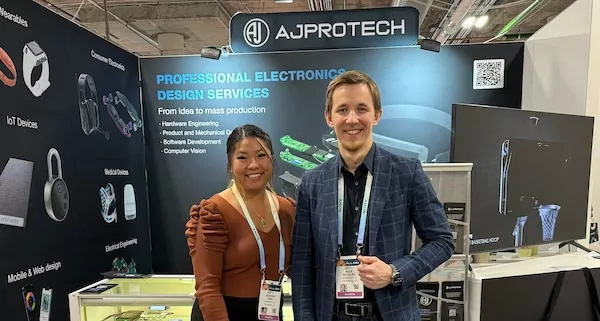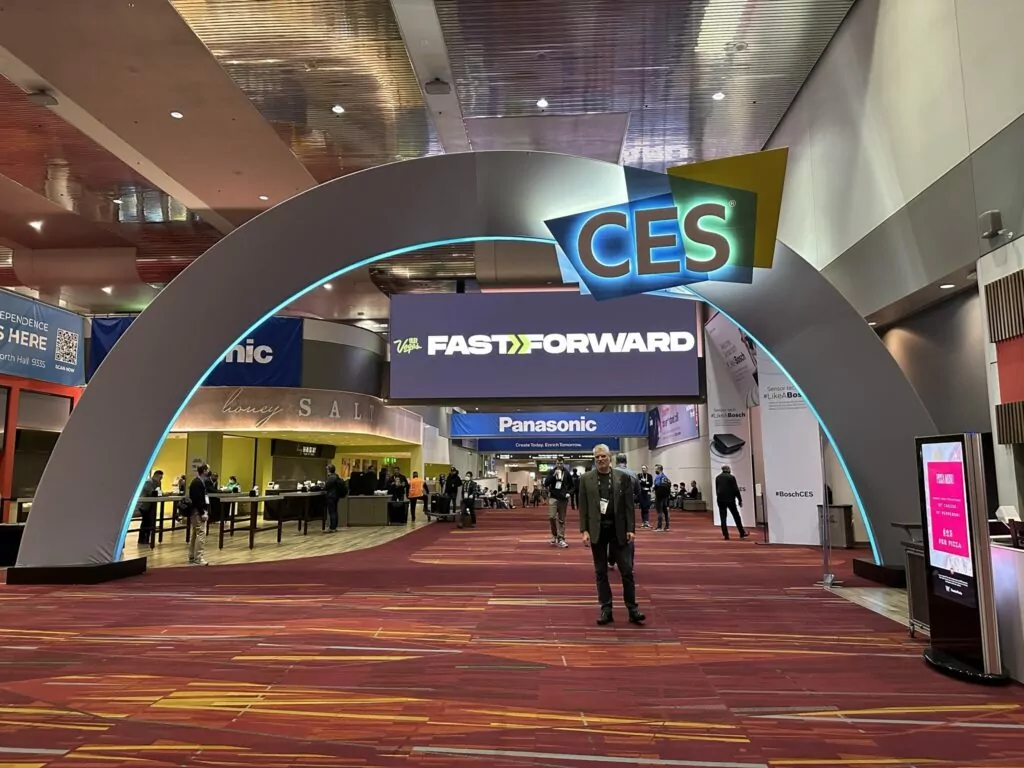


CES 2026 made one thing very clear: hardware is definitely back. It regrouped,and came back smarter.
After years of software-first narratives and AI-only headlines, tariffs and pandemic years, the show in Las Vegas this January felt like a reset. Physical products were everywhere again, and not as “dumb endpoints.” Hardware is now intelligent by default, deeply integrated with AI, and judged by execution, not spectacle.
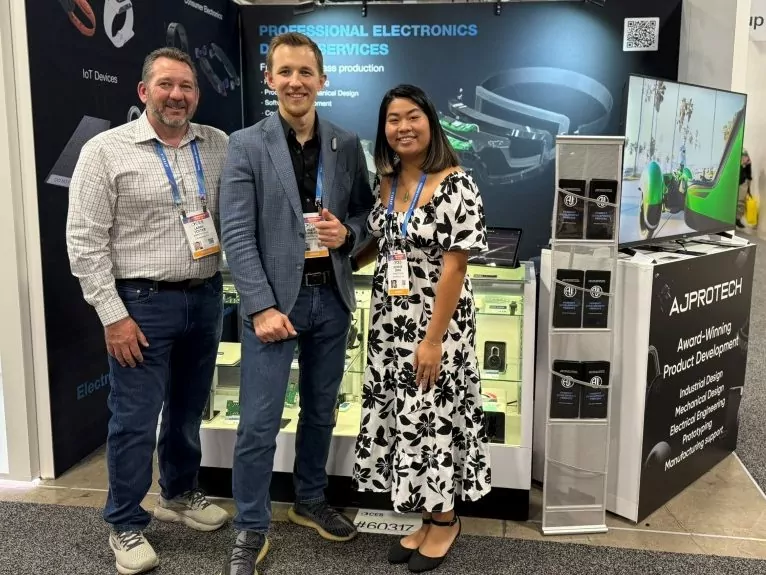
For hardware startups, CES 2026 was a reality check.
Trend 1: AI Moved Into the Device
At CES 2026, AI stopped being a cloud trick and became a physical feature. Edge AI (models running directly on devices) was no longer niche. It showed up in wearables, robotics, consumer electronics, mobility platforms.
Why this matters: latency, privacy, reliability, and cost. Users don’t want their product to freeze because Wi-Fi blinked. Investors don’t want your margins eaten by cloud inference fees. On-device intelligence is becoming the baseline.
For startups, this changes early architecture decisions. Compute choice, thermal design, power budgets, and firmware strategy define the product.
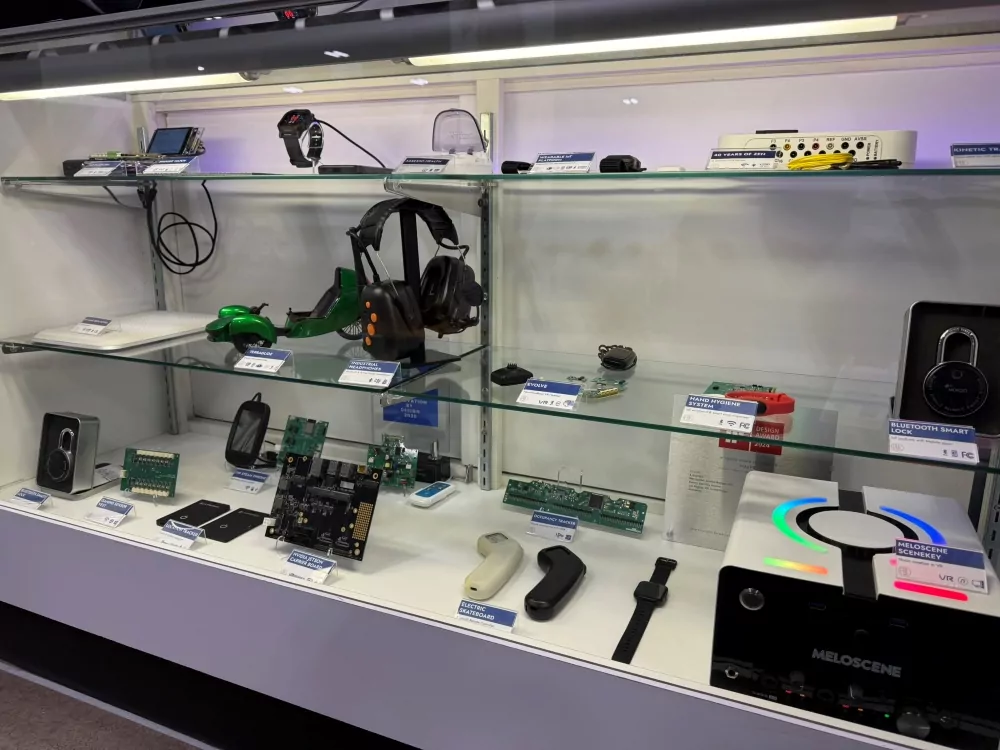
Trend 2: Hardware That Thinks, Not Just Feels
Sensors alone are not impressive anymore. CES 2026 showed products that interpret, predict, and adapt.
Wearables that don’t just track metrics but explain patterns. Robotics that don’t just move but make context-aware decisions. IoT devices that feel proactive instead of reactive.
This signals a shift: value is moving from raw data collection to meaningful interpretation. Hardware teams now need to think like system designers, because intelligence is part of the UX.
Trend 3: Robotics Grew Up
This year, robotics felt less like entertainment and more like infrastructure. Less dancing. More doing. The conversation shifted from “look what it can do” to “how long can it run, how safely, and at what cost.” For startups, the takeaway is brutal but healthy: demos are no longer enough. Robust mechanics, manufacturability, serviceability, and lifecycle planning are now part of the pitch.
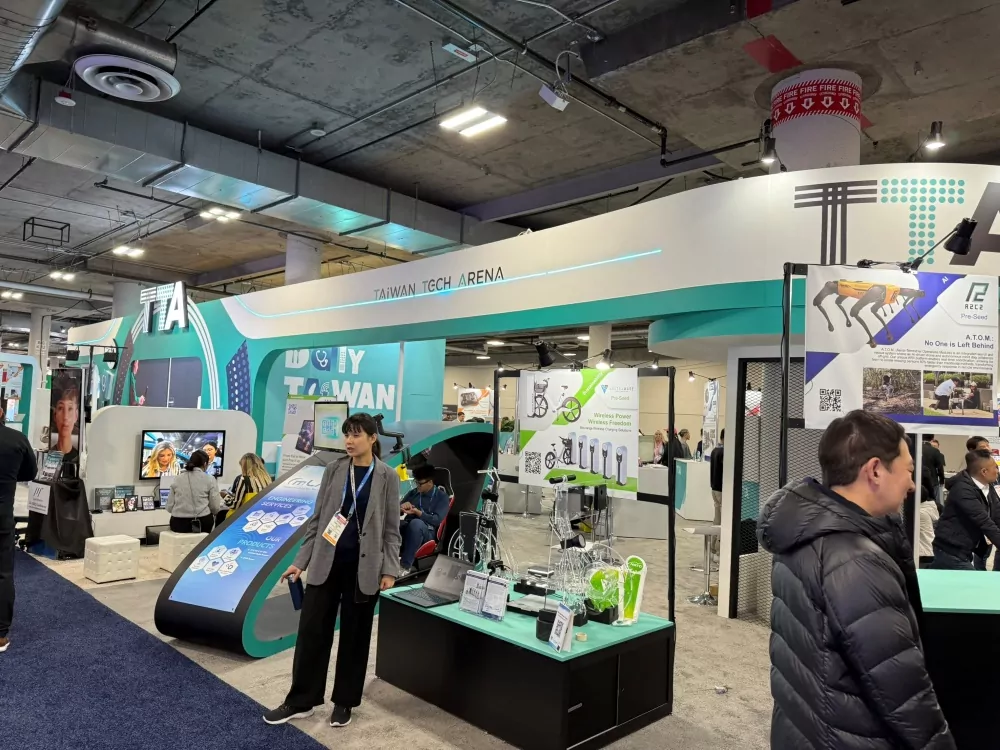
Trend 4: Chips and Architecture Became a Competitive Weapon
Edge-optimized processors, NPUs, and custom architectures are shaping what products can realistically ship at scale. Performance per watt matters. Cost per unit matters. Supply chain resilience matters.
Hardware startups can no longer afford to treat silicon as an afterthought. The wrong compute decision can kill a product before it reaches production. The right one can unlock features competitors simply can’t match.
Trend 5: Mobility
Vehicles are becoming modular, updateable, and intelligence-driven. Sensors, compute, and software stacks are designed to evolve over time. For hardware startups building components, systems, or adjacent technologies, interoperability and long-term roadmap thinking are now mandatory.
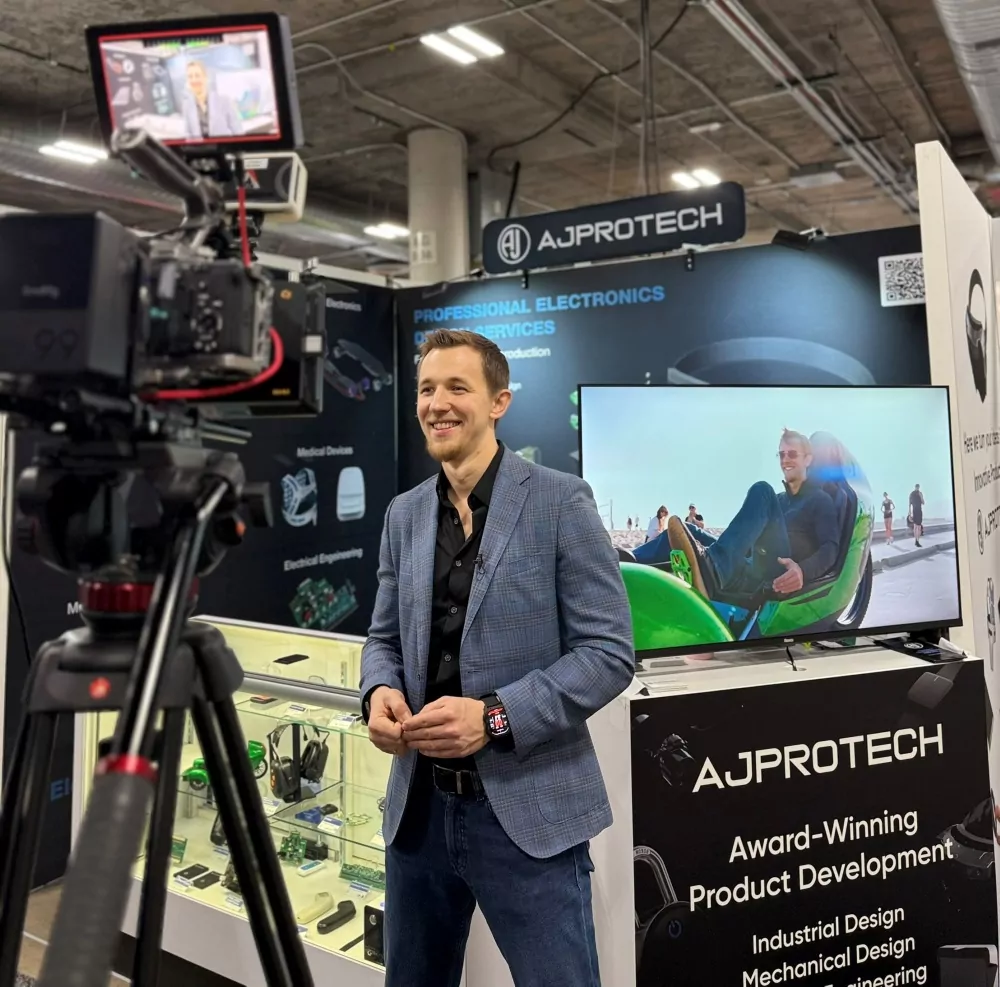
add to mobilit
What CES 2026 Means for Hardware Startups
CES 2026 delivered a few unfiltered truths: hardware is absolutely back.
But:
- Intelligence is no longer optional
- Architecture decisions happen earlier
- Execution beats concepts
- Manufacturing reality matters as much as vision
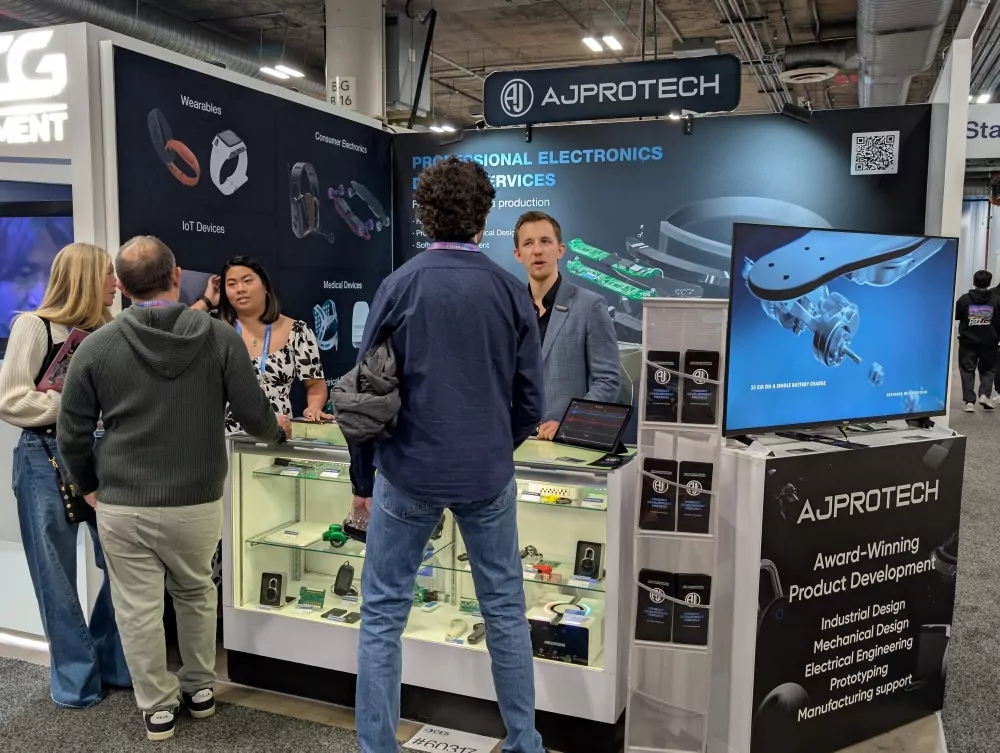
The startups that will win are the ones who design products holistically – mechanics, electronics, firmware, AI, supply chain, and user experience all aligned from day one. At AJProTech, this is exactly what we do. We help hardware startups and innovation teams turn ambitious ideas into manufacturable, scalable products-bringing our experience and expertise to every stage of engineering, design, and production, with real-world constraints front and center.
And honestly? That’s great news for teams who are serious about building real hardware for the real world.