


Types of Sensors and Their Applications
The first step in sensor integration is matching the sensor type to your product’s unique role. Consider these examples:
- Pressure sensors that detect leaks in pumps
- IMUs (Inertial Measurement Units) tracking subtle motion for wearable health devices
- Environmental sensors that monitor air quality on city buses
Each sensor excels at a specific purpose, turning devices from simple boxes into responsive companions. Real integration starts with considering accuracy, operating ranges, and the demanding environments your product may face. For example:
- Industrial devices use rugged sensors to tolerate vibration and heat.
- Wearables prioritize small size and low power use, often needing signal amplification or sophisticated algorithms to interpret weak signals.
Each sensor adds cost, draws power, and places demands on your software pipeline. The sensor that is perfect for a tiny tracker might be a poor fit for a factory robot, which needs durability and broad sensing ranges.
Start every integration project with these key questions:
- What needs to be detected?
- How fast must detection occur?
- What environmental conditions will the product face?
This dance is where expertise meets reality: skipping these steps leads to bigger problems later.
Why Sensor Integration Matters in Product Design
Sensor integration is not just another line in a requirements document, it’s the thread that weaves intelligence into your product. So, why does this matter, and why must it be right from day one?
- Integration connects the physical world to your software. Imagine baking a cake without a timer or thermometer: this is what a product lacks without well-integrated sensors.
- Sensors enable automation: adjusting heat if a room cools, switching on lights when motion is detected, or ventilating when air quality is poor.
- Not all integration is created equal. Smartphones and wearables face trade-offs in size and battery life, while industrial gear must survive dust, vibration, and electromagnetic interference.
Early choices affect everything from PCB layout to firmware logic and cloud architecture for handling real-time data.
At AJProTech, we have seen the results of skipped design reviews: recalibration during production, user complaints, and late-night debugging marathons. Our approach is to always integrate sensors based on clear data needs, stakeholder input, and with future upgrades in mind.
If this feels as complex as wiring a spaceship, the right partner can be invaluable. For robust hardware and sensor architecture, consider building on hardware engineering foundations that last.
Common Sensor Integration Techniques
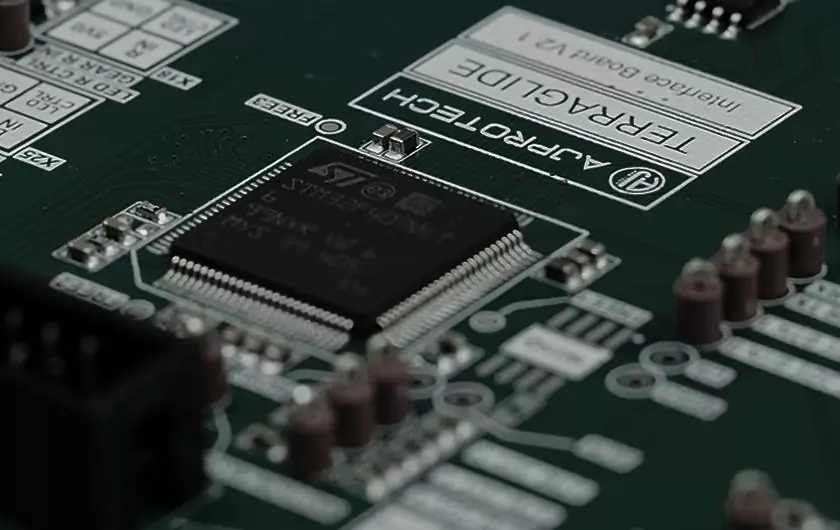
Sensor integration is more than attaching a device to a board and declaring success. Careful integration saves future headaches and budgets. The most common basic method is direct wiring: a classic handshake between two components. Connect the sensor’s pins to your microcontroller. This works well, but has its pitfalls: signal noise and ground looping. To avoid problems, we at AJProTech recommend:
- Tight cable routing
- Careful grounding
- Short, shielded traces for sensitive analog signals
One stray electromagnetic wave can disrupt even robust sensors. For high-volume products, or when easy field replacement is important, modular connectors improve assembly: no soldering and quick sensor swaps in the field.
A newer approach is using pre-certified sensor modules: these combine the sensor and interface, simplifying design and certification. However, this can reduce customization and raise costs. Missteps like placing a sensitive sensor near a motor or radio can mean ongoing bugs.
Whichever technique you use, think about the future. Products last longer than expected. Modularity means you can swap or upgrade sensors to meet new accuracy standards. Devices that are easy to repair and upgrade today will be easier to support tomorrow.
Choosing the Right Integration Method
The right method must balance technical needs, costs, user experience, and, most importantly, long-term maintenance.
Consider environmental factors: Rugged products need robust, shielded, or weatherproof connections. For wearables favor miniature, low-power integrations like small-pitch or flexible circuits, or direct-to-ASIC for high volume.
For evolving products, modular approaches let you adapt to customer requests or supply issues without missing deadlines.
Think about field support and troubleshooting, too. Does swapping a sensor break calibration, or is upgrading painless? Integrate software drivers early and test with real sensors, not just “simulated” data.
Ensuring Reliable Data Integration
Combining streams of data from different sensors to create actionable insights is where sensor integration proves its worth. Imagine a robot vacuum: its edge sensors warn of stairs, but only by combining input from motion and tactile bumpers can it chart a safe path.
Reliable data integration comes from careful engineering and practical routines. Think about architecture: where and when data is processed.
- Edge computing: Processing locally gives fast responses and saves bandwidth.
- Cloud processing: Allows complex analysis but relies on stable connectivity and more power.
- Hybrid models: Split work between cloud and device for balance.
If one sensor fails, others should compensate: don’t let a glitch freeze up the system or send faulty data. Sensor fusion helps weigh and validate multiple readings; if three temperature sensors agree and one claims “the Arctic arrived,” the system knows what to trust.
System-level error handling is essential. Use automated resets, state checks, and logic that mutes outliers to create robust, self-correcting systems.
Sensor Integration in IoT and Smart Home Devices
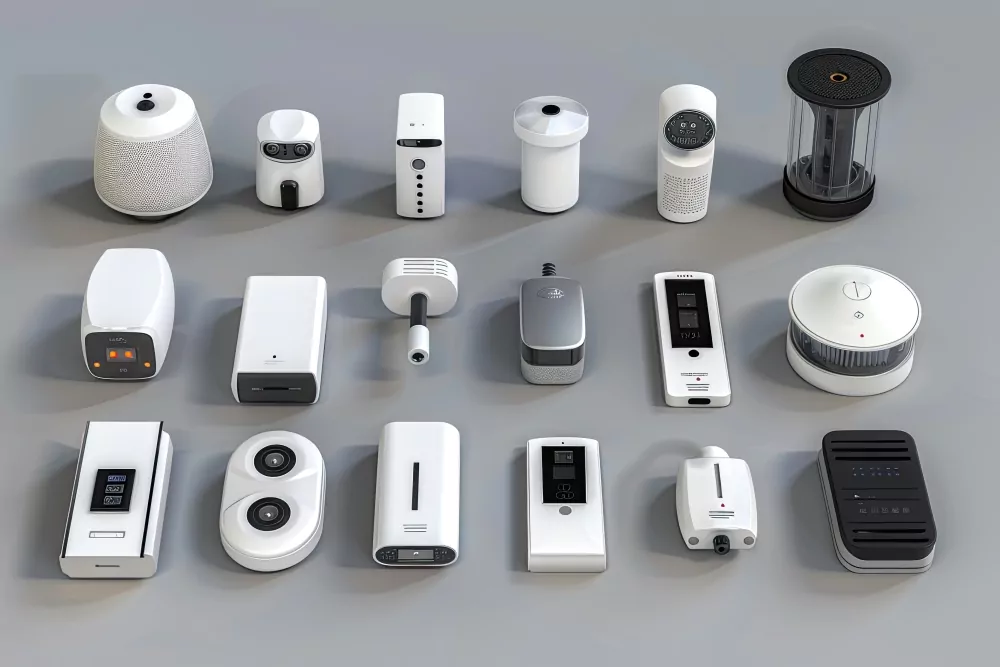
Sensor integration has redefined what “smart” really means in our homes. Imagine a kitchen that detects gas leaks, or bedroom lights that follow your footsteps. This convenience depends on seamless sensor integration, each sensing a different part of the environment.
Modern IoT and smart home systems often combine motion, temperature, light, and proximity sensors, sometimes five or more types in a single device.
The goal is not just to add as many sensors as possible, but to make sure they work together smoothly:
- Wired protocols (like I2C or SPI) are reliable,
- Wireless options (Wi-Fi, BLE) enable freedom of placement and easier upgrades.
A common pitfall is overlooking compatibility or synchronization, which can lead to chaos: a home that ignores you or turns on every appliance at once.
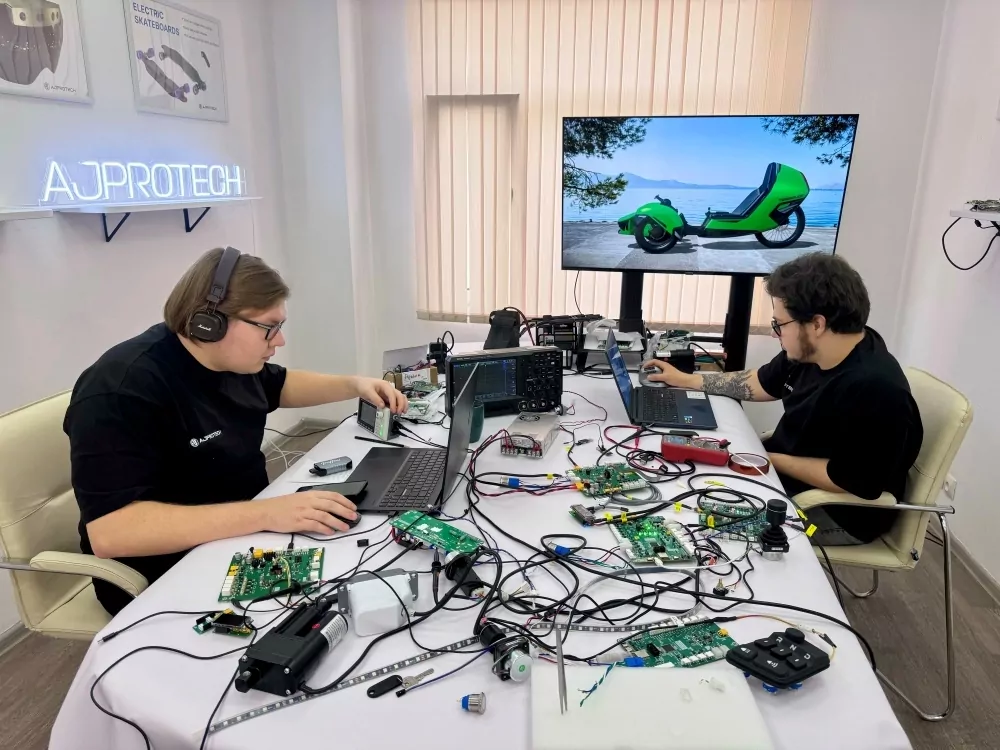
At AJProTech, we have seen integrated solutions that merge video, temperature, and air quality data to improve safety and save energy. Teams building these products should reference reliable IoT integration platforms early on. Methodical sensor integration gives homes the power to detect, decide, and act with both flair and reliability.
Challenges in Sensor Integration
At AJProTech, we know adding sensors may sound as simple as stacking building blocks: pick one, plug it in, and your device is “smart.” If only things were that easy! One of the top challenges is getting new sensors to work smoothly with your existing system.
Picture this: you pick a fancy humidity sensor only to find that, during prototyping, it won’t communicate with your microcontroller. This usually results from mismatched protocols (I2C, SPI and UART all have quirks). The consequences? Dropped data, missed actions, or, worst of all, a system crash.
- To avoid headaches, make a compatibility checklist before you order parts.
- Double-check voltage levels: modern sensors might use 1.8V, but older boards may use 3.3V or 5V. Protocol conversion helps but adds cost and complexity.
- Always review driver support: a great sensor is useless if you can’t connect it to your platform.
Experienced teams at AJProTech use modular test setups that allow fast sensor swaps, narrowing down options before integrating them fully.
Reliability is just as important. Even compatible sensors can drift, degrade, or act up when exposed to real-world conditions. Factors like moisture, vibration, and electromagnetic interference (EMI) can turn great lab results into a nightmare in the field.
- Environmental stress testing is key: run sensors through cycles of temperature, power disruptions, and simulated daily abuse to catch flaws.
- Documentation is your friend: keep complete records of pinouts, calibration steps, and firmware quirks so future engineers avoid repeat mistakes.
Overcoming Data Processing and Communication Barriers
Fixing hardware is just half the battle. Next, all that sensor data must reach its destination uncorrupted and on time. Sensor integration snags often appear when real-time requirements collide with slow buses or overworked processors. If the system can’t process or deliver sensor data fast enough, users face missed events.
- Plan your architecture up front. Will you process data locally or send it to the cloud?
- Edge processing with smart microcontrollers cuts latency and bandwidth use but increases hardware complexity and cost.
- Streaming data to the cloud lowers local costs but needs a strong, stable connection.
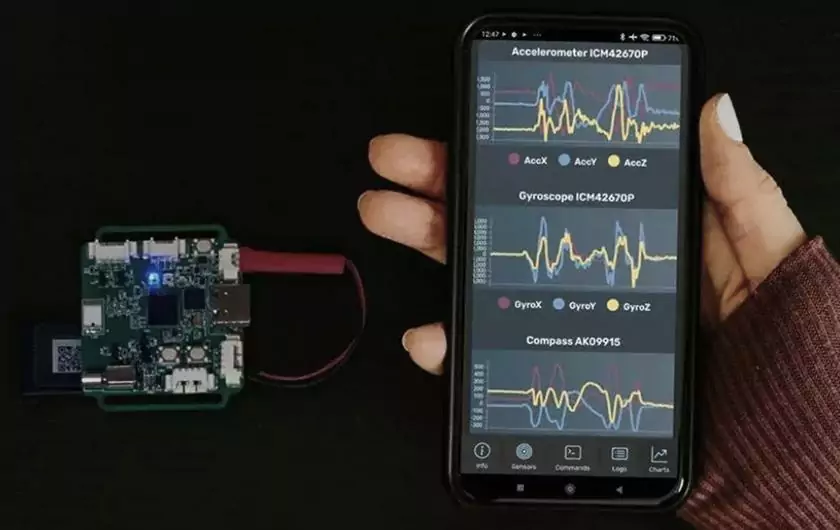
Signal noise is another classic obstacle. Real-world environments are full of interference, from power lines to cellphones. Digital filtering cleans messy signals before they cause problems.
- For high-reliability systems, use redundant sensors and cross-check their readings. One glitch should not bring down your product.
- With wireless sensors, watch for connectivity issues, lost packets, and mesh network glitches. Keep detailed logs and automate testing for rare errors.
Plan how your system responds to failures; it is better to downgrade gracefully than to go silent. Modern products excel when these barriers become stepping stones: mastering data accuracy and speed transforms them from gadgets into indispensable tools.
Sensor integration is not “set and forget”. Continue to monitor, improve, and update as your deployment grows. Your users will appreciate the result.