

Let’s cut straight to the silicon: microcontrollers and microprocessors are both the brains behind many of today’s electronic devices, yet their roles in the digital world are as different as a brain surgeon’s and a freight train conductor’s.
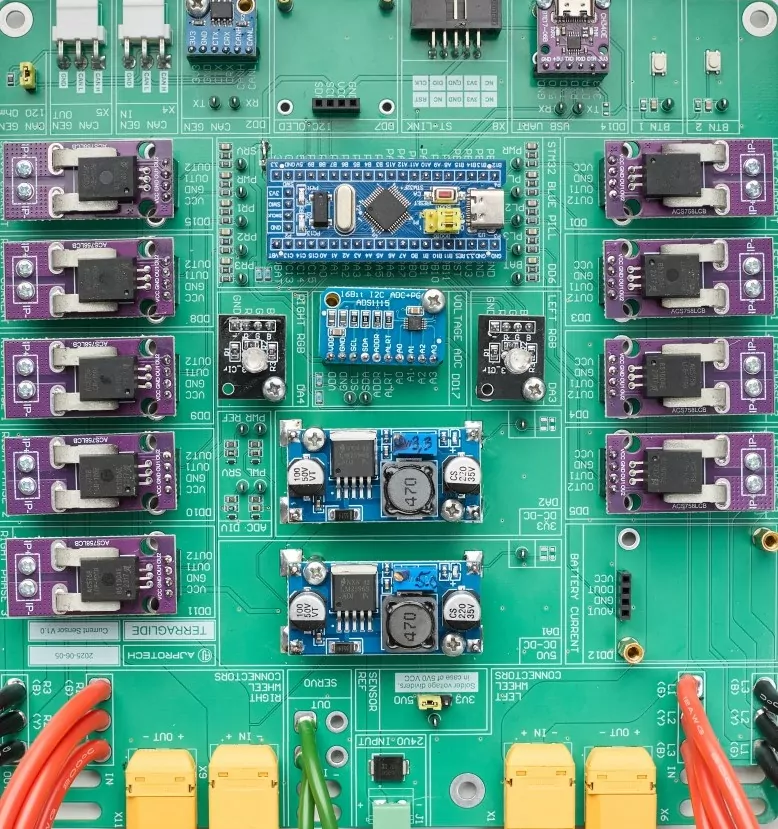
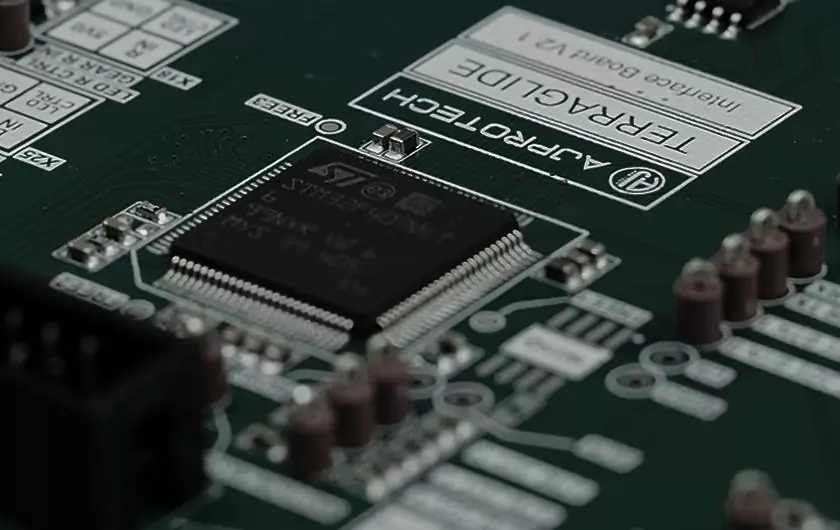
A microcontroller is a self-contained integrated circuit, essentially a miniature computer, with a CPU, memory (typically both RAM and ROM), and essential peripherals for communication and control on a single chip. It excels in real-time, repetitive roles: activating your toaster, reading temperature sensors, or blinking on a wearable fitness tracker.
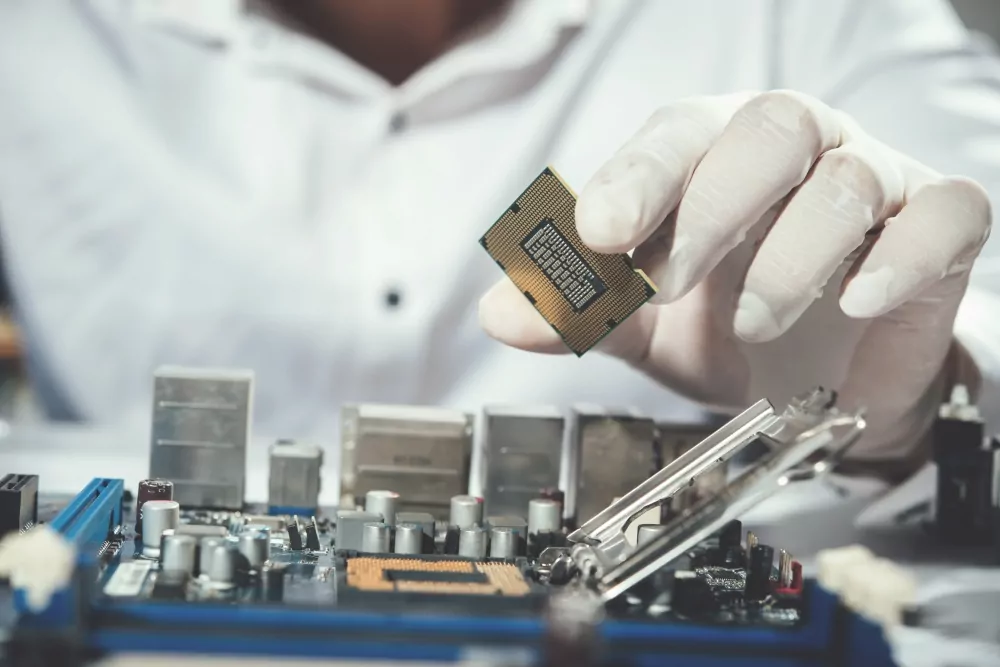
By contrast, a microprocessor is a specialist: the central processing unit (CPU) alone, playing the main role in complex computer systems but relying on a supporting cast of external chips like RAM, ROM, storage, and I/O controllers to operate.
In practice, choosing microcontroller vs microprocessor is about application:
- If your device needs to use minimal power, run on battery for years, and perform repetitive tasks (think embedded systems), microcontrollers are the answer.
- If it needs to operate a full operating system, process data at high speeds, and take on new tasks as needed, microprocessors are the right fit.
Key Differences Between Microcontrollers and Microprocessors
The difference between a microcontroller and a microprocessor shapes everything from power use and system cost to performance and design complexity. The table below highlights the key distinctions and shows where each option works best.
| Aspect | Microcontroller | Microprocessor |
| System integration | Combines CPU, memory, and peripherals on one chip, making the system simpler and more compact. | Relies on external memory and support chips, giving more flexibility but adding complexity. |
| Power, size, and cost | Uses less power and fewer components, which helps reduce size and overall cost. | Typically consumes more power and needs more hardware, which increases board space and cost. |
| Real-time performance | Delivers fast, predictable response, which makes it well suited for control and sensor-driven tasks. | Favors general-purpose computing and multitasking over strict real-time precision. |
| Architecture and compute style | Commonly uses Harvard architecture, which supports efficient and predictable execution. | Commonly uses von Neumann architecture, which is more flexible for complex software environments. |
| Best fit | Best for embedded products that need efficiency, reliability, and direct hardware control. | Best for systems that need high processing power, multitasking, or a full operating system. |
| Limitations | Limited memory, processing power, and expandability make it less suitable for complex software. | Higher power use, larger hardware requirements, and added system complexity make it less efficient for simple embedded tasks. |
As embedded system requirements evolve, the best choice comes from understanding what truly drives your product’s success. And, for engineers, that’s always the exciting part!
Choosing Between a Microcontroller and a Microprocessor
Selecting between a microcontroller and a microprocessor is rarely a coin toss, unless you’re designing a coin-sorting robot, and even then, you still need real-time, embedded control. The decision shapes not just performance, but the entire design process.
Microcontrollers combine the CPU, RAM, ROM, and peripherals on a single chip. This integration means:
- Compact, energy-efficient products
- Faster development cycles
- Minimal headaches with the bill of materials
Designers can often skip large power supplies and big PCBs, choosing instead lean, lightweight solutions for control systems, remote sensors, or any device where small size and energy savings matter.
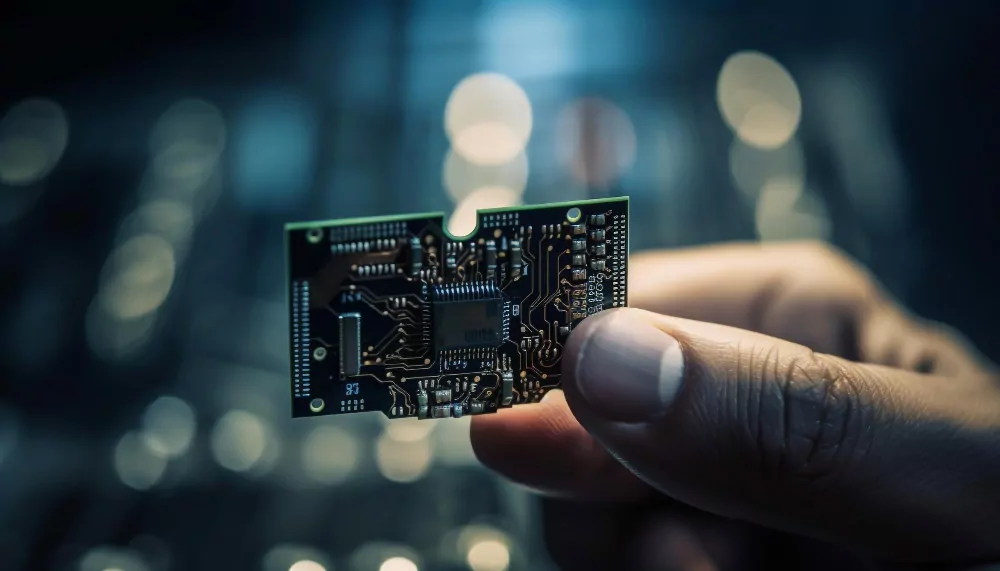
Microprocessors, on the other hand, are the heavier hitters: the chips in laptops or single-board computers. They need external RAM, ROM, and a variety of other chips to function, providing the flexibility to scale memory or performance as needed. This approach is best for handling multimedia, multitasking, and large datasets, but increases system complexity and power usage.
When comparing specs or costs, remember:
- Microcontrollers usually mean lower costs and simpler design.
- Microprocessor systems may start with a lower chip price, but external components and maintenance can make total costs climb.
Microcontrollers simplify manufacturing and support, but may be harder to upgrade. Microprocessors allow for easier upgrades but can introduce compatibility or testing challenges. Both may now include hardware-level security for secure boot and encryption: an essential for IoT and sensitive data.
The line between microcontrollers and microprocessors continues to blur. System-on-chip (SoC) designs may include both. Open-source RISC-V architectures are making both types more flexible, while energy, real-time, and security demands are changing old distinctions.
In the end, the right choice balances upfront cost, long-term flexibility, ease of updates, and the exact level of processing your application requires. The ultimate key difference? It’s how seamlessly your choice fits your vision, not just what’s currently popular.