


Every journey toward sustainable design begins with a simple truth: electronics shape our world, yet their footprint often outlasts their initial appeal. At AJProTech, our engineers approach sustainability as the North Star guiding every decision, not just a trending topic. Product design principles now focus on more than function or aesthetics; they revolve around long-term impacts for today’s users and future generations. From the start, we make meticulous choices:
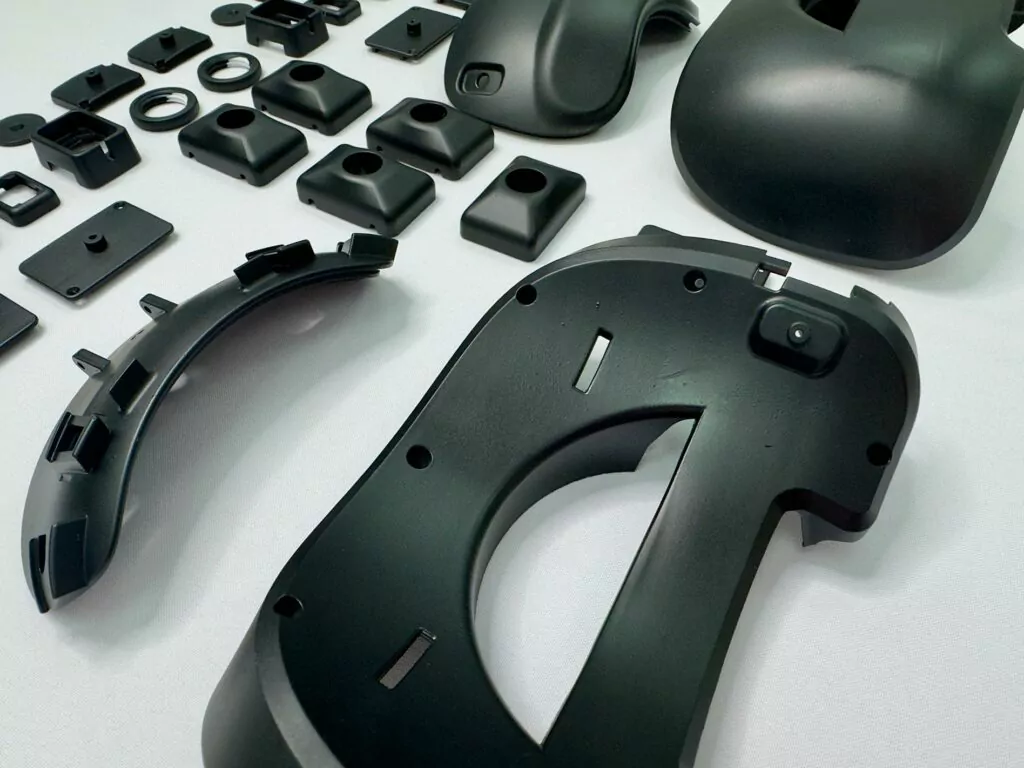
- Which materials are high-performing yet recyclable or reusable?
- Can a product’s shell be sturdy while also allowing for easy disassembly at end-of-life?
- How can we measure and track environmental impacts at every stage?
Sustainability means tracking emissions from concept to delivery and working within recognized standards. Some clients aim for green building certifications, like LEED (Leadership in Energy and Environmental Design), for the facilities that house our products. This process goes beyond using recycled materials. We focus on energy efficiency throughout, from the power supply down to the printed circuit board level.
By weaving environmental metrics into initial sketches, we create “eco-intelligent” devices. Every choice is documented: we screen suppliers for ethical sourcing and traceable materials, ensuring every resin or rare-earth element aligns with our environmental goals. Sustainable development is an ongoing, iterative process. We refine this checklist at every milestone, raising the bar with each product generation.
Role of Sustainability Beyond Regulation
Environmental compliance looks good on paper, but real innovation requires more than box-ticking. At AJProTech, sustainability does not stop at regulation, it drives measurable progress across every development phase. Imagine a team tuning a device’s power needs, not just to meet emission caps, but to champion efficiency that benefits both clients and the planet for years to come.

- We focus on integrated circuit efficiency.
- We reduce material counts through modular assemblies.
- We require real supply chain transparency, not just green certificates, from partners.
We use simulation tools to forecast energy consumption and identify recycling opportunities before production even starts. Our process integrates real-time dashboards that track resource use and emissions at each stage, right through to rates of reuse in disassembly prototypes.
When prototyping, we already plan for upgrades, repairs, and returns. Components like boards or batteries can be swapped with just a few turns of a screwdriver. As an example: redesigning an enclosure to use a single recyclable polymer cut both e-waste and production emissions by half.
Sustainability isn’t always a smooth path. Cost or supply chain issues can limit choices; when this happens, we weigh trade-offs and maximize recycled or reusable content without settling for least-common-denominator options. Sometimes, we guide clients through why these investments matter, even if initial costs are higher. Our approach sets a new standard for electronic design: products that leave our hands ready to serve people and the planet. Curious about the details? Our hardware engineering process breaks down sustainable touchpoints at every phase, guiding teams to greener results.
Sustainable Design Strategies: From Material Selection to Energy Efficiency
Material Choices and Supply Chain Transparency
Sustainable design starts at the source: materials. At AJProTech, this is a disciplined engineering protocol. When we select plastics or metals, we don’t leave it to guesswork. Instead, every component faces sustainability criteria:
- Can it be recycled or is it recycled already?
- Is it safe and durable for the long term?
- What is its full environmental impact?
We prioritize suppliers who:
- Provide transparent chain-of-custody documentation
- Meet global environmental standards and certifications
- Protect both their workforce and the environment
Certification review, documentation checks, and sometimes our own audits help us ensure “no skeletons in the supply closet.” Even a tiny resistor matters for sustainability. Transparency is key: clear material sourcing from origin to production gives our clients confidence that each solution respects future generations.

Energy Efficient Architecture in Sustainable Products
Reducing energy use during actual operation carries the most impact for sustainability. At AJProTech, we take this as seriously as an urgent deadline. From the first sketches, our engineers simulate energy flows:
- Which chips run the coolest?
- Which circuits save the most power?
- Can standby modes “sip” rather than “gulp” energy?
We choose microcontrollers with advanced power-saving states and use efficient DC-DC converters. For battery devices, every milliamp counts, so our firmware minimizes background tasks and maximizes energy savings.
Industry benchmarks and standards like Energy Star guide our work. And when needed, we pick a pricier chip if it cuts daily energy use. These choices appear in our dashboards, helping us create products with lighter ecological footprints and long-term value.
Extending Product Lifespan and Repairability
Sustainable development reaches its peak when product lifespans stretch beyond expectations. AJProTech engineers design for longevity: not just durability, but repairability and modularity.
- Modular architecture lets users replace batteries or sensors instead of discarding devices.
- Industry-standard screws and simple fasteners, not proprietary ones, invite repairs by users and professionals alike.
- Ease of disassembly and access to core components is checked from prototype to mass production.
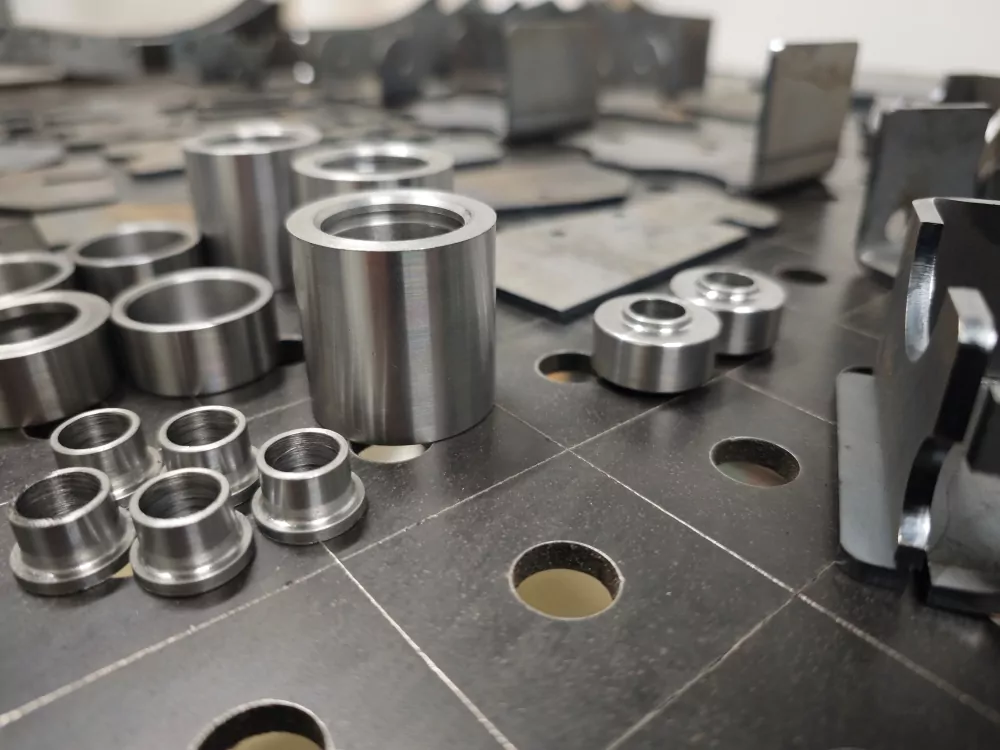
We provide clear documentation so users and third-party repair specialists can extend product life or salvage modules for new uses. Sometimes, discarded boards find new life as test sensors. Prioritizing repairability prevents e-waste and leads to measurable sustainability improvements.
For products built with our IoT product development services, we blend repairability with eco-friendly design. These solutions remain relevant, reliable, and resilient, keeping devices out of landfills and serving people longer.
Designing for Circular Economy and End-of-Life Management
While sustainability often focuses on materials and manufacturing, end-of-life design is quickly becoming the defining measure of true environmental responsibility. Engineers are increasingly expected to anticipate what happens after a product’s useful life, not only how it performs during it.
At AJProTech, this means building with circular economy principles in mind. Every component should either return safely to the environment or re-enter the production cycle. Our teams design products that can be disassembled into distinct material streams like plastics, metals, and electronics, without specialized equipment.
Key practices include:
- Labeling and standardizing materials for efficient recycling and sorting.
- Modular recovery, where reusable components (e.g., batteries, sensors, PCBs) can be harvested for next-generation products.
- Reverse logistics planning, integrating repair, refurbishment, or take-back programs from the start.
- Designing for secondary use, enabling components to serve educational, testing, or replacement roles beyond the initial product lifecycle.

This approach turns the traditional linear model (make, use, discard) into a regenerative loop. It also aligns with emerging legislation across Europe and North America that promotes extended producer responsibility and right-to-repair initiatives.
Sustainability in electronics does not end at production; it extends into disassembly, reuse, and regeneration. The next evolution in eco-friendly engineering will not be defined by how efficiently we make products, but by how intelligently we design them to begin again.