



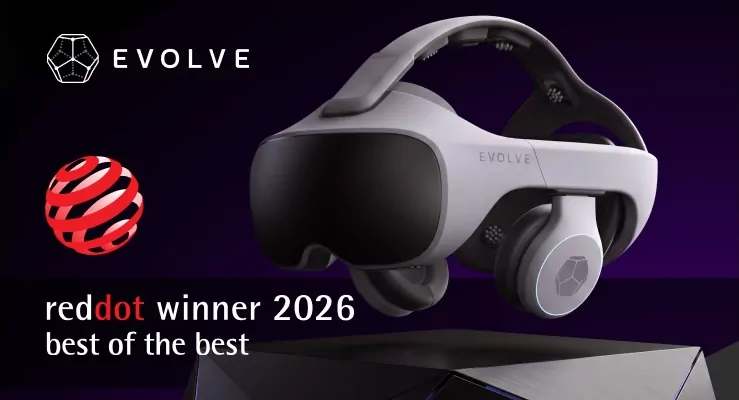
Hardware engineering companies often get stereotyped as places where function comes first and design comes second. AJProTech’s work proves that wrong. Over the years, our projects have earned some of the industry’s highest honors, including Red Dot’s Best of the Best distinction, along with recognition from the iF Design Award, A’ Design Award, MUSE, and Good Design. We pay this much attention to how a product looks and feels because visuals are often the first thing a customer notices, and that first impression shapes whether they trust the product at all.
A great hardware product rarely starts with CAD software. It starts earlier, in the habit of paying attention to how things look, feel, and work. That habit is a skill in itself, often called visual literacy, and designers build it deliberately, through regular exposure to good design and bad design alike. Before our team at AJProTech opens a modeling tool, we spend time looking at what already exists, what’s being tried, and what’s changing in the world of physical products. Here’s where that hunt for inspiration usually leads.

Trade shows and physical prototypes
Nothing replaces holding a product in your hands. Events like CES and IFA put hundreds of new devices in front of designers each year, from wearables to smart home hardware. Walking a show floor surfaces details that photos never show: how a hinge moves, how a material feels under a thumb, how a device sits on a desk. For a team that builds physical products for the US market, this kind of hands-on exposure shapes instincts that no mood board can replace.

Design award archives
Award programs like Red Dot and the IDEA awards are effectively curated libraries of what a jury of design professionals considers excellent, year after year. Scrolling through past winners is a fast way to see how form and function get balanced across categories from consumer electronics to medical devices. It’s also a useful check on your own assumptions about what “good design” looks like right now versus five years ago.
Design magazines and publications
Inspiration has no single source. Some designers start with Pinterest boards. Others look to nature. Others simply pay attention to the world around them. Every path leads to the same place: something new. Ideation is a process, the form always reveals itself along the way.
Maria Alexander, CMO AJProTech
Publications like Dezeen, Design Milk, and Core77 track new product releases, design fairs, and emerging talent in a way that casual scrolling can’t match. Their editorial curation adds context around each project, why it was made, what problem it solves, what materials or manufacturing methods went into it, that a raw image feed usually skips. That context matters just as much to our marketing team as it does to our designers, since understanding the story behind a product shapes how we end up talking about it later.
Online design communities
Digital portfolio platforms play a different role. Sites like Dribbble are built around quick visual browsing, and that makes them useful for early-stage moodboarding, especially for interface and interaction design work that pairs with a hardware product. Scrolling through concept shots and UI explorations from designers around the world is a fast way to spot color trends, layout ideas, and visual language before committing to a direction.
Everyday objects outside your category
Some of the best ideas come from completely unrelated products. A designer working on a wearable might study the clasp mechanism on a piece of luggage. Someone developing a health device might look at how kitchen appliances handle liquid spills. Cross-category thinking keeps a design team from repeating the same solutions everyone else in their industry is already using.

Turning inspiration into a working product
Looking at references is only the first step. The real work is translating a visual direction into something that survives engineering constraints, manufacturing tolerances, and cost targets. That’s where full-cycle product development matters: having industrial design, engineering, prototyping, and manufacturing planning under one roof means an inspiring concept doesn’t get lost in translation on its way to becoming a real, working device.
Inspiration is everywhere. The skill is knowing where to look, and knowing what to do with it once you’ve found it.