




There are four distinct phases between your idea and a shipping product. Each one has a specific milestone, a defined deliverable, and a clear answer to the question: are we ready to move on, and is the next phase planned?
Proof of Concept
Feasibility Study is where the core engineering decisions get made, before a single dollar goes into a physical build. We evaluate competing technical approaches, check candidate components against availability, lead time, and unit cost, sketch initial form factor and mechanical constraints, and build a first-pass cost model for the target build volume. The output is a written product specification and a cost estimate solid enough to justify moving forward.
Physical Proof of Concept (PoC) is a separate, optional engagement, typically scoped and priced on top of the Feasibility Study: confirm the core function actually works before investing heavily in engineering. The earliest prototypes are rough. We wire up off-the-shelf development boards (Raspberry Pi, Jetson, or STM32 Nucleo) on a bench setup, no enclosure, no CAD work, no custom PCBs, no optimized firmware.
The PoC gets built first. Once it's running, it either demonstrates the core function at a basic physical level or it doesn't; that's the single binary answer we're after. Once the function is demonstrated, the PoC is complete and the project moves into engineering.
Proof Of Concept for

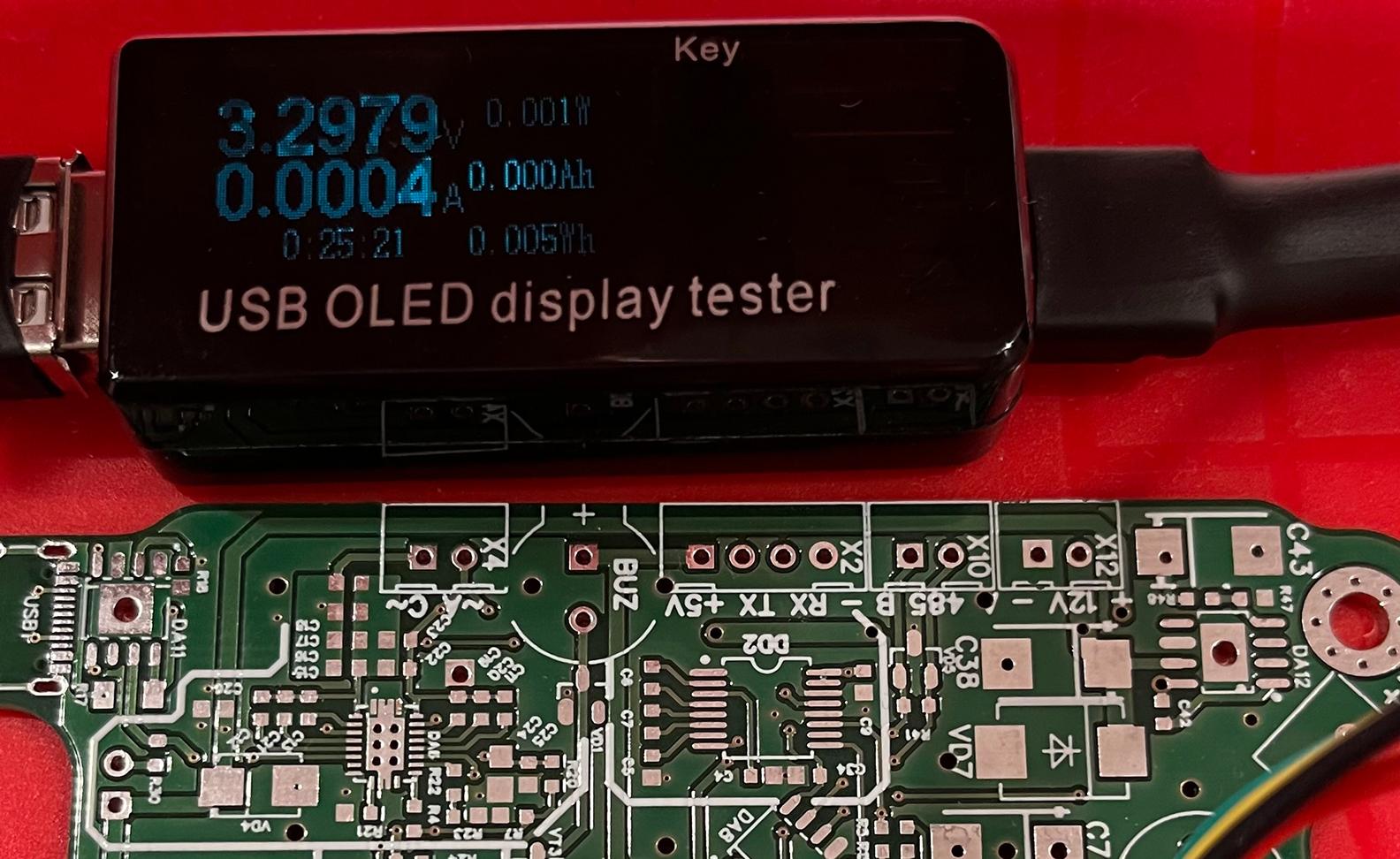
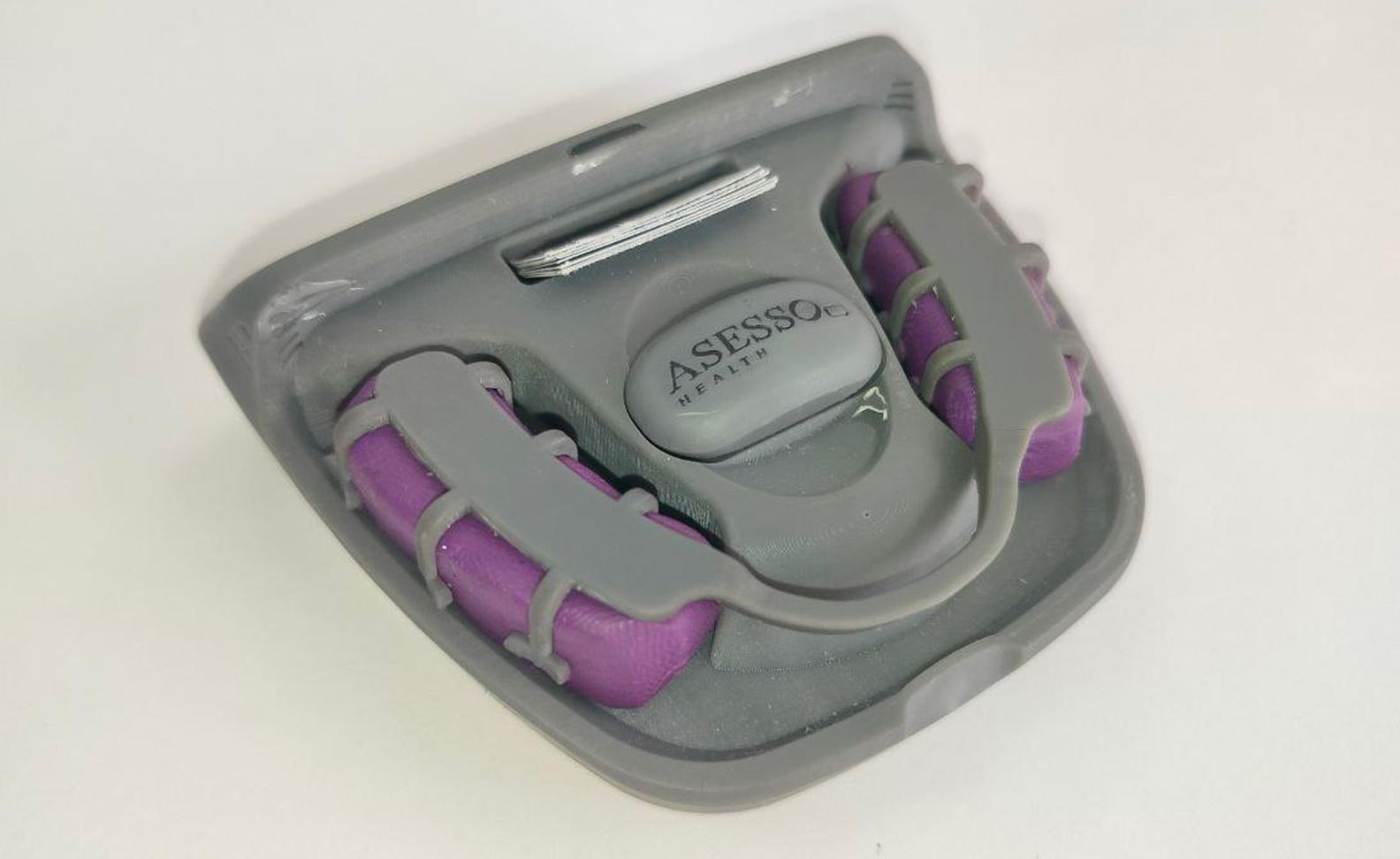
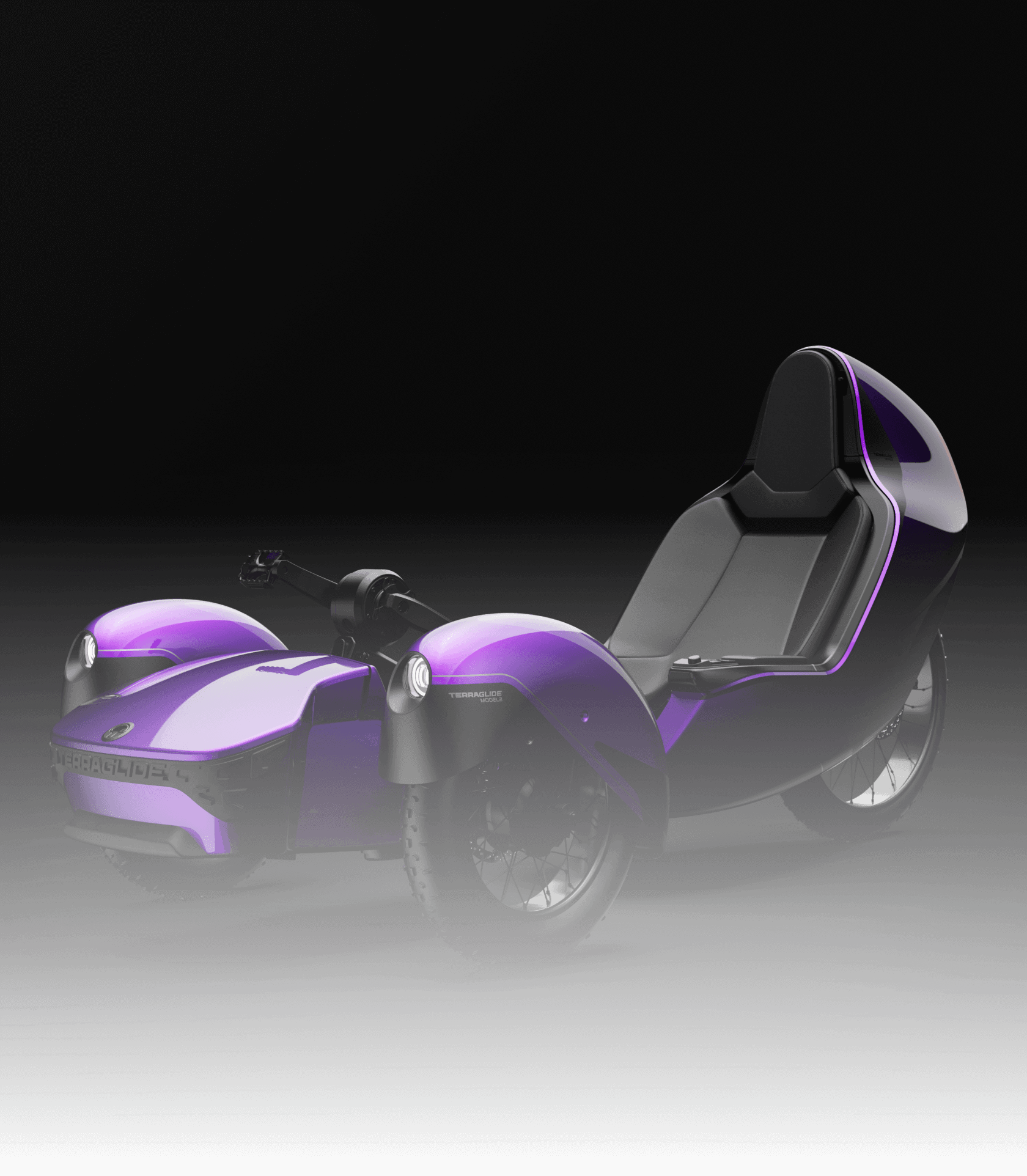
This project we ordered off-the-shelf development boards to validate the required sensors, and built rough mechanical mockups to check form, scale, and ergonomics by hand. Before we landed on this mockup - a mechanical prototype with no internal electronics, built to show the device's look and test user interaction and ergonomics - the industrial design team spent two months on research, producing hundreds of sketches and dozens of 3D models. That said, this page is about our prototyping process, not our industrial design workflow. Next to it is an electronic proof-of-concept that demonstrated how the device's electronic components function.
Proof Of Concept for

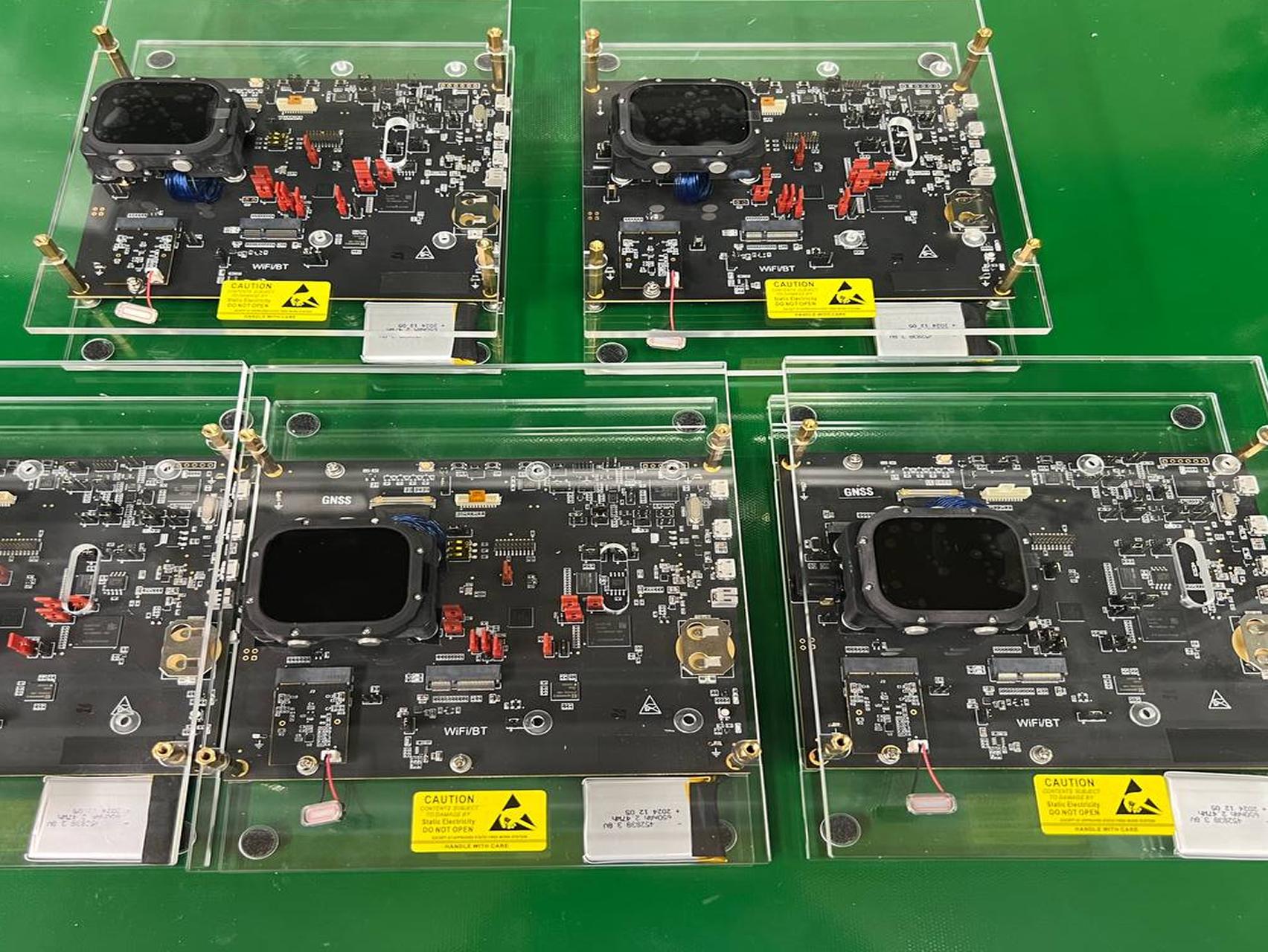
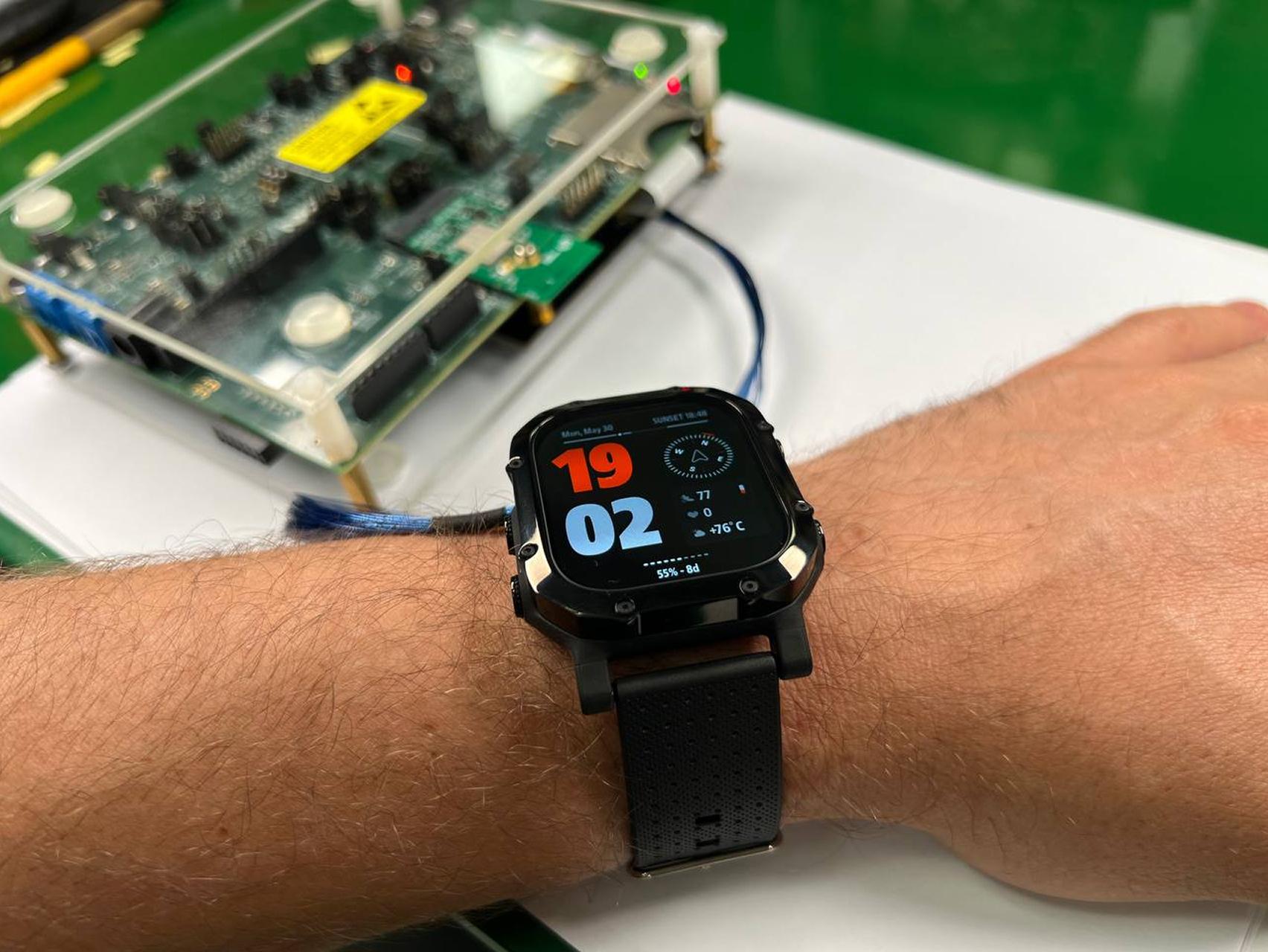
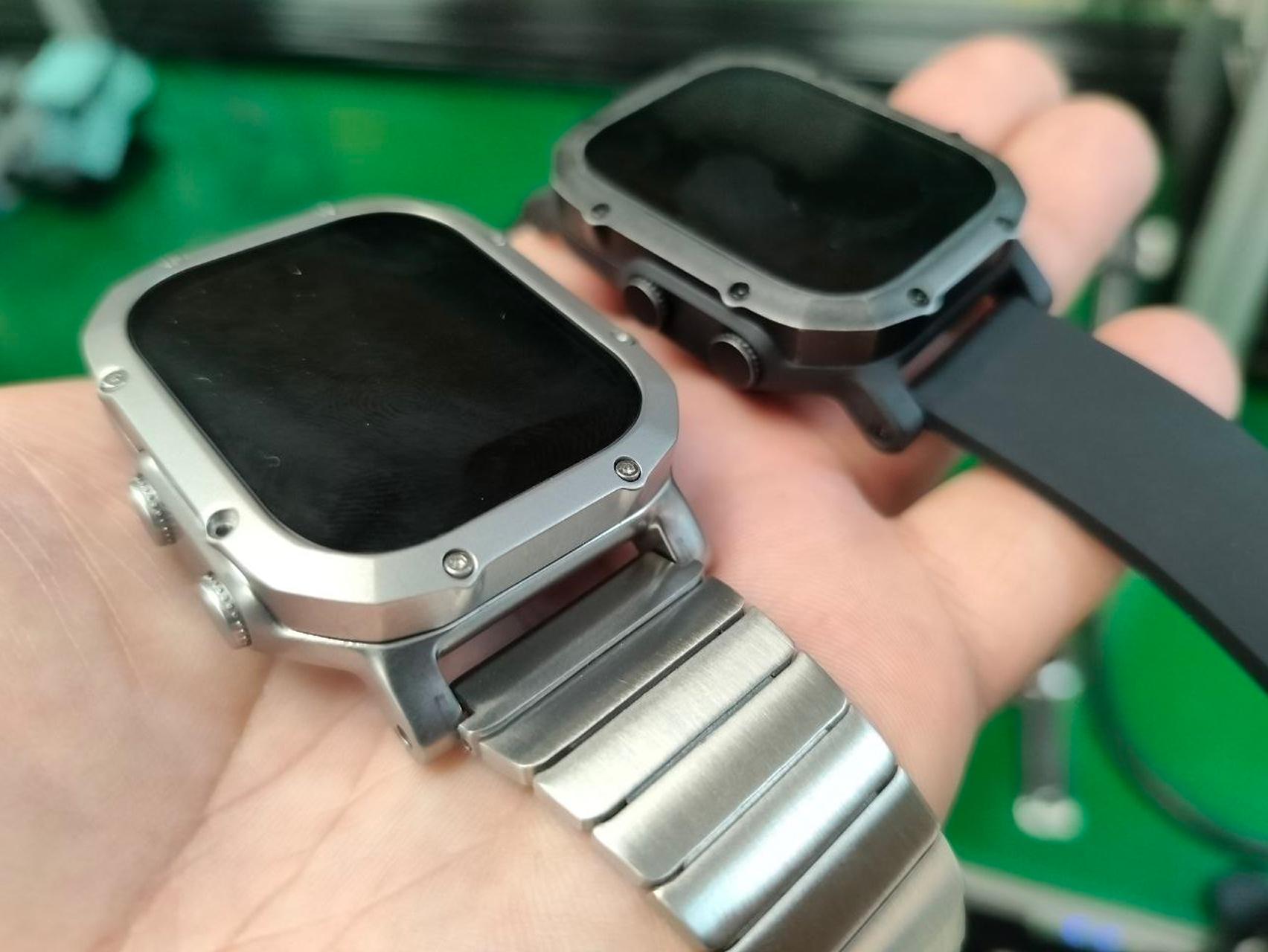
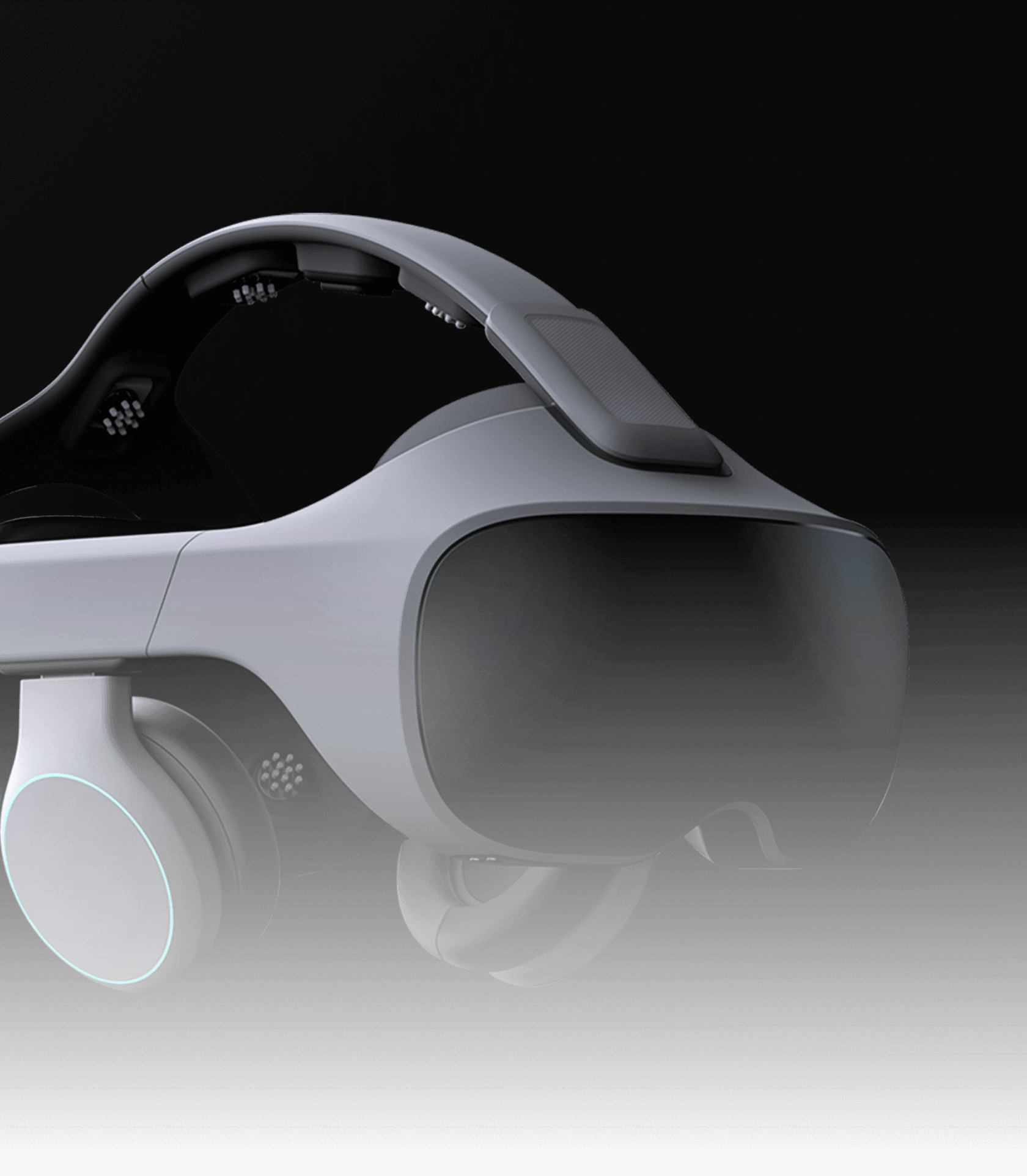
PoC builds sometimes look like this, and this client needed exactly that. The electronics are off-the-shelf modules wired together for testing. The wearable body is a custom titanium mockup, machined at real cost, with a display mounted in it and run back to the boards on a long cable.
Proof Of Concept for

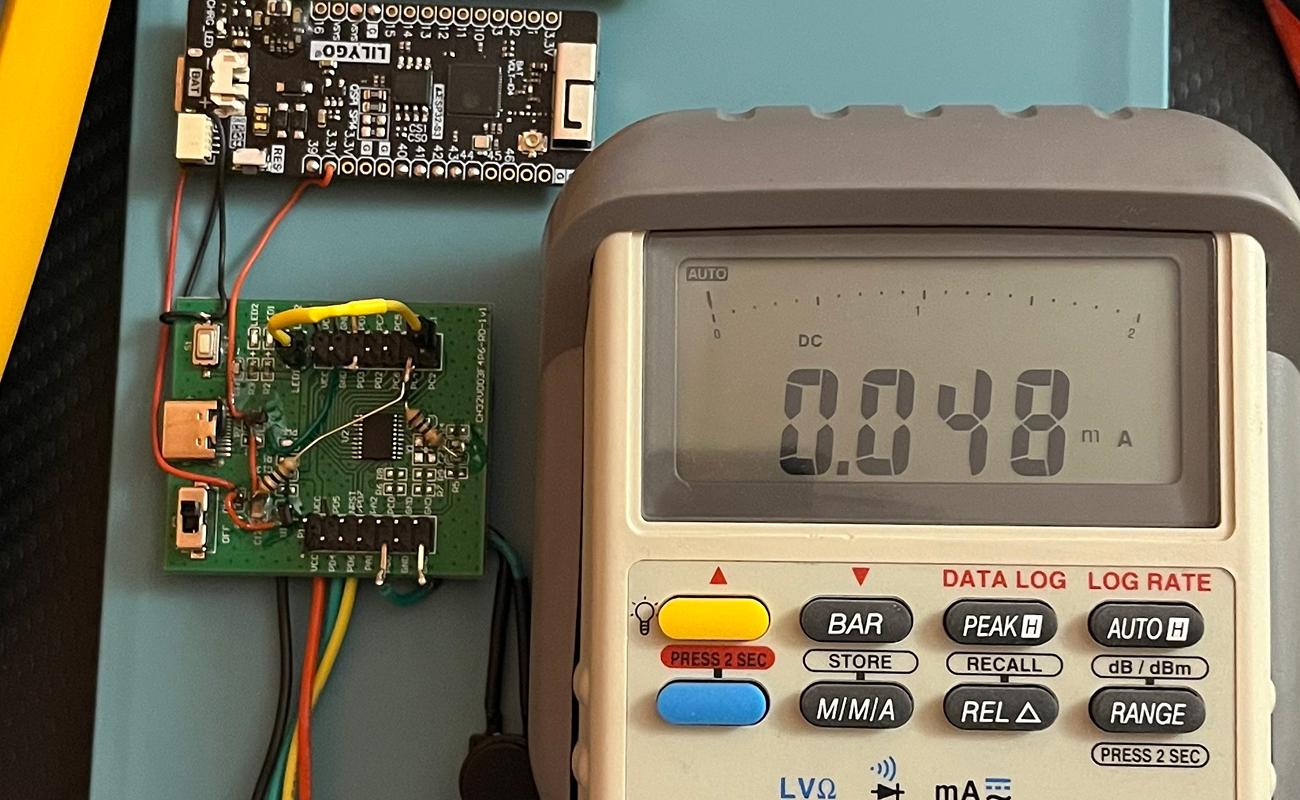
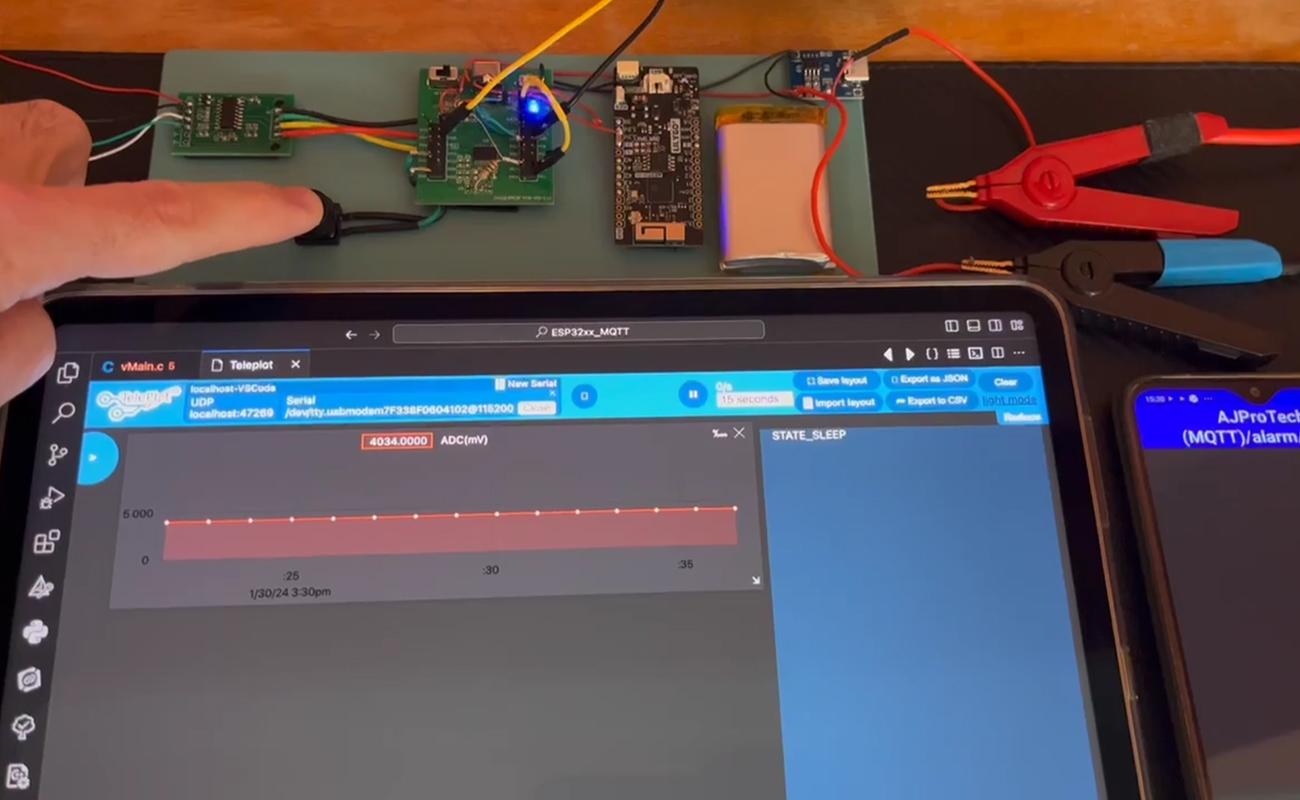
A basic bring-up: off-the-shelf boards wired by hand, then powered on to check that the system runs as expected. These were off-the-shelf boards, but we picked ones using components that made it into the final design. That let us verify system operation, power consumption, and battery requirements for the target runtime before the actual build - and start writing firmware long before the first custom board existed.
Proof Of Concept for

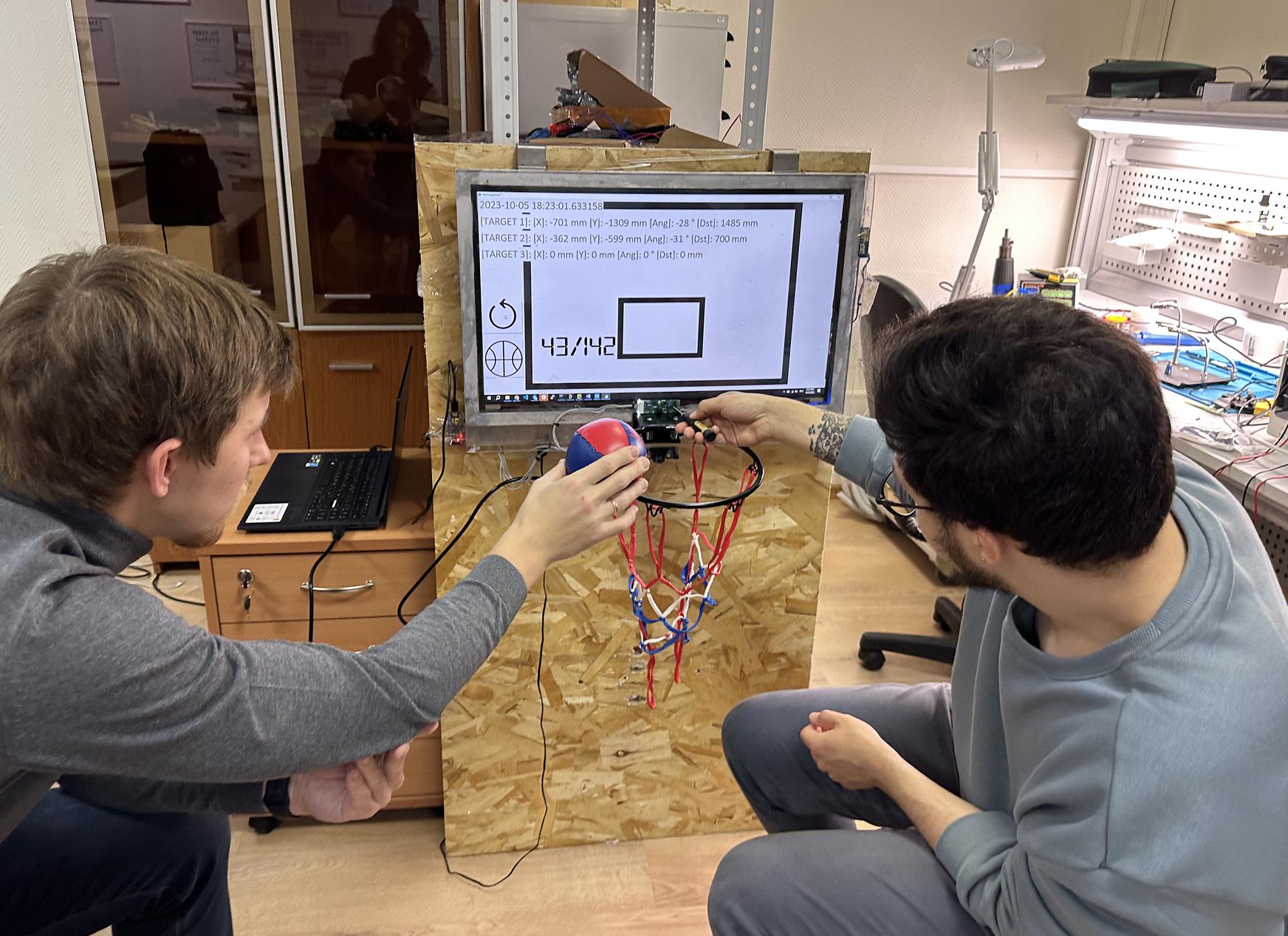
With components sourced and prototypes assembled, we put the underlying theory to the test. We tested a wide range of sensors - along with their different iterations, settings, and pair or set configurations - to confirm the functionality we needed before starting custom engineering.
Proof Of Concept for

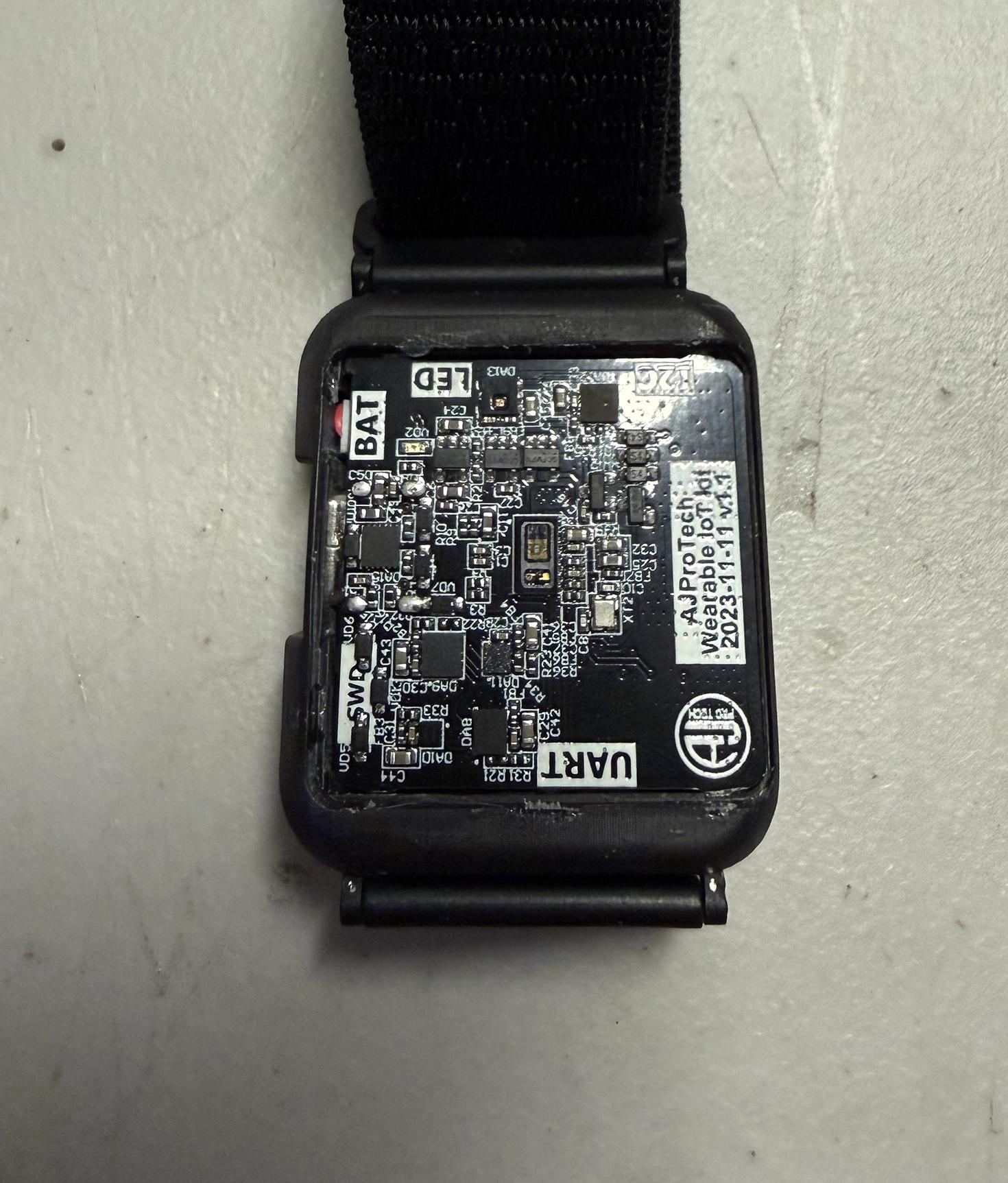
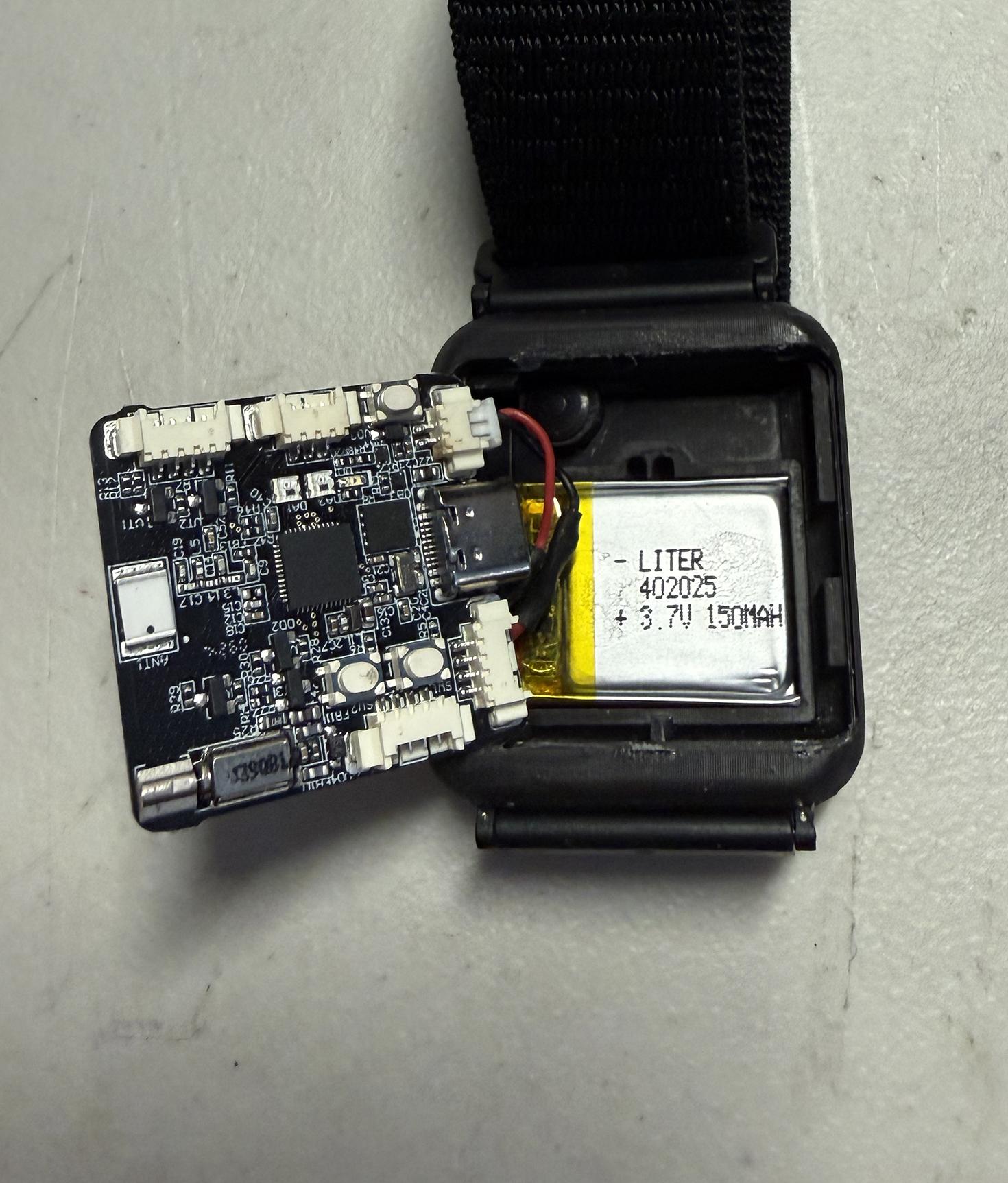
This project goes against the definition of a PoC. The hardware and enclosure are fully custom, not off-the-shelf. But since this is our own prior development, the board and enclosure are already validated, making them effectively off-the-shelf for us. That's the proof of concept here: it lets us start wearable device development faster, skipping the early feasibility and mechanical groundwork. The device concept naturally has to be designed to fit this platform.
Engineering Prototypes
Here the dev boards come out and custom PCBs go in. The mechanical team shifts to designing enclosures with injection molding constraints in mind. This is the first time the product exists as an custom physical design rather than a collection of evaluation modules taped together.
This phase also marks the first hard conversation with your supply chain: which components are available, at what price, and from which contract manufacturer. You select your CM here. Supply chain analysis runs in parallel, because finding out a critical sensor is 52-week lead time at DVT is expensive. Finding it now is a scheduling problem.
We build 10–50 units. Early-paying beta testers get these devices. You collect structured feedback. We iterate. Typically there's a second shot (EVT2) before moving on.
Engineering Prototypes for
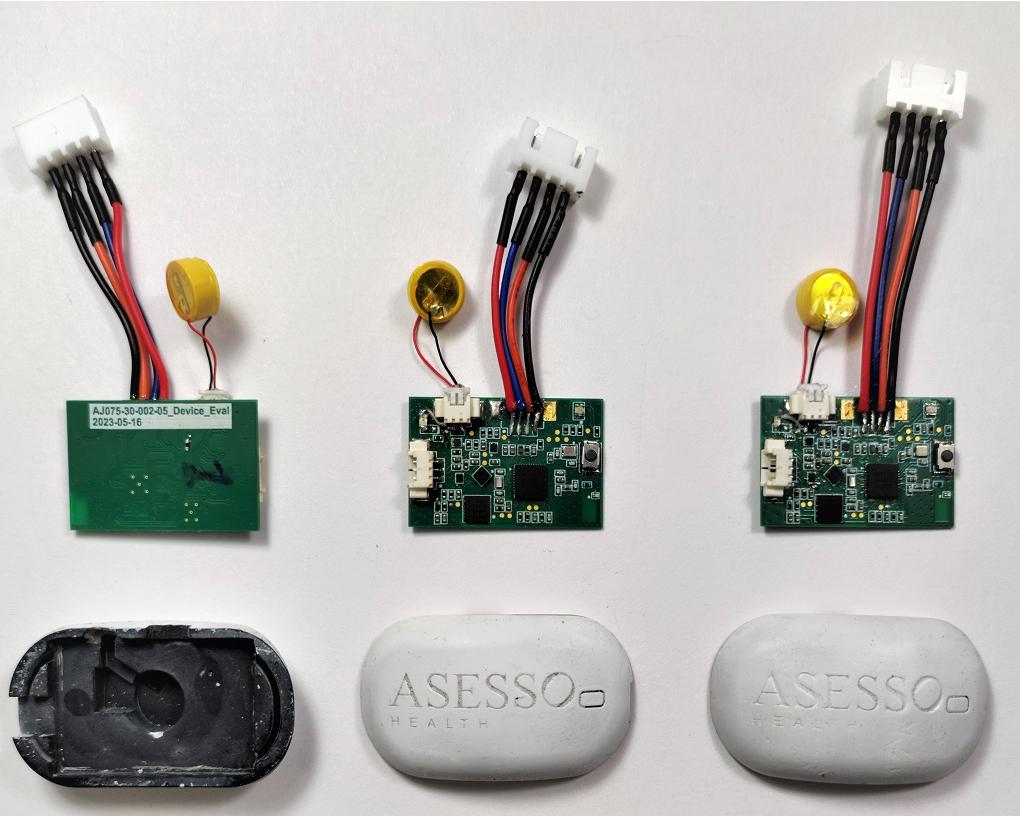
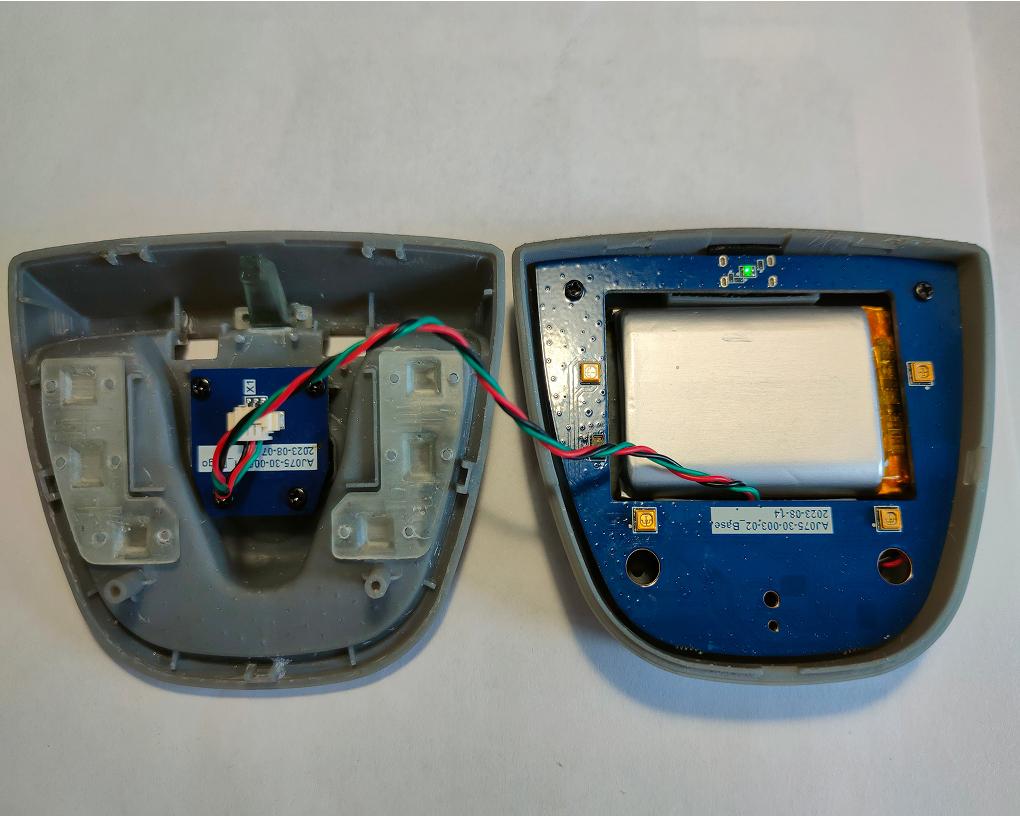
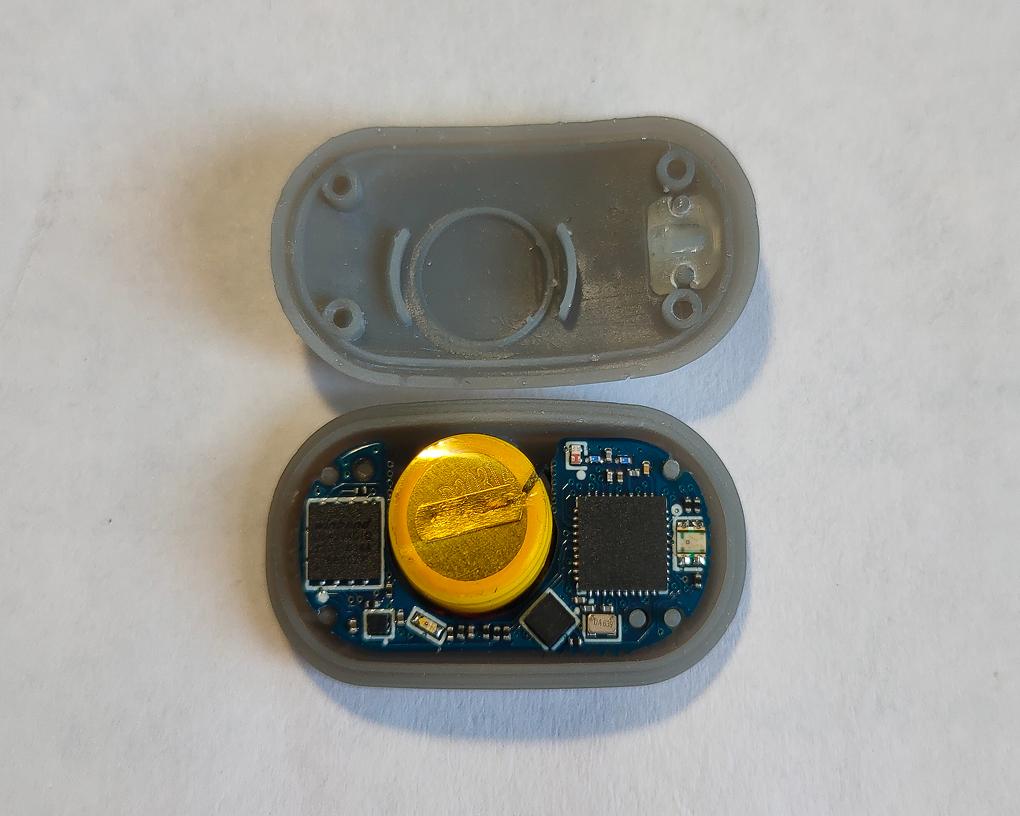
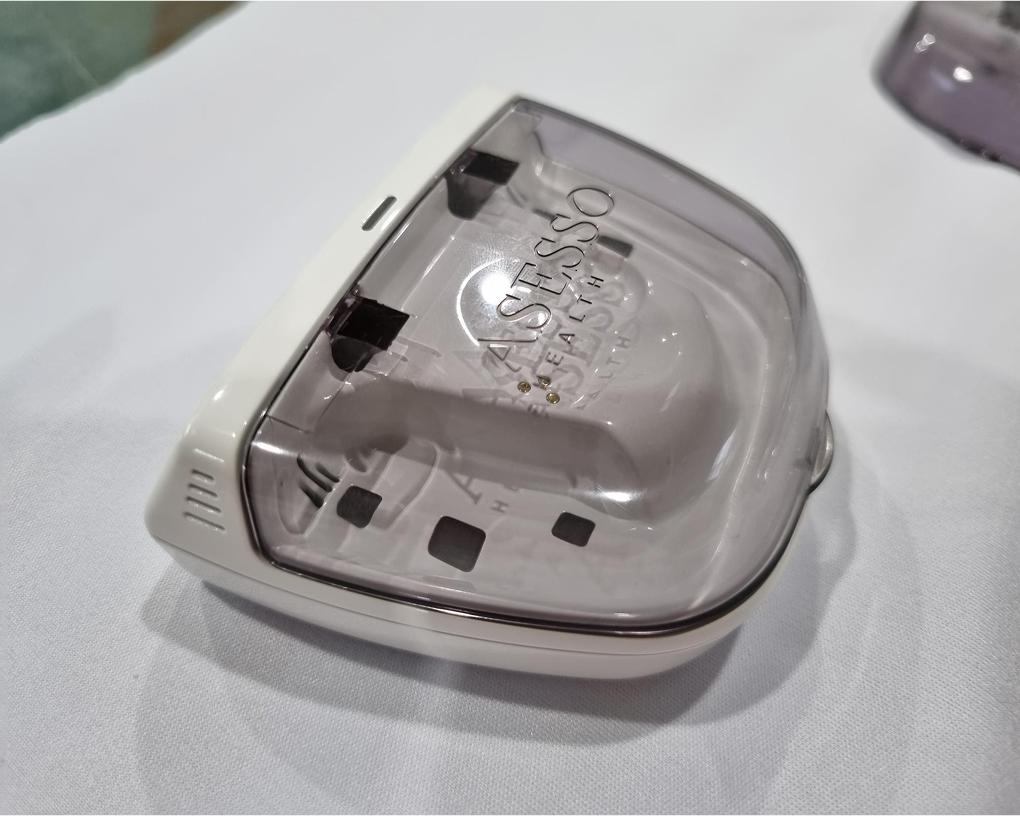
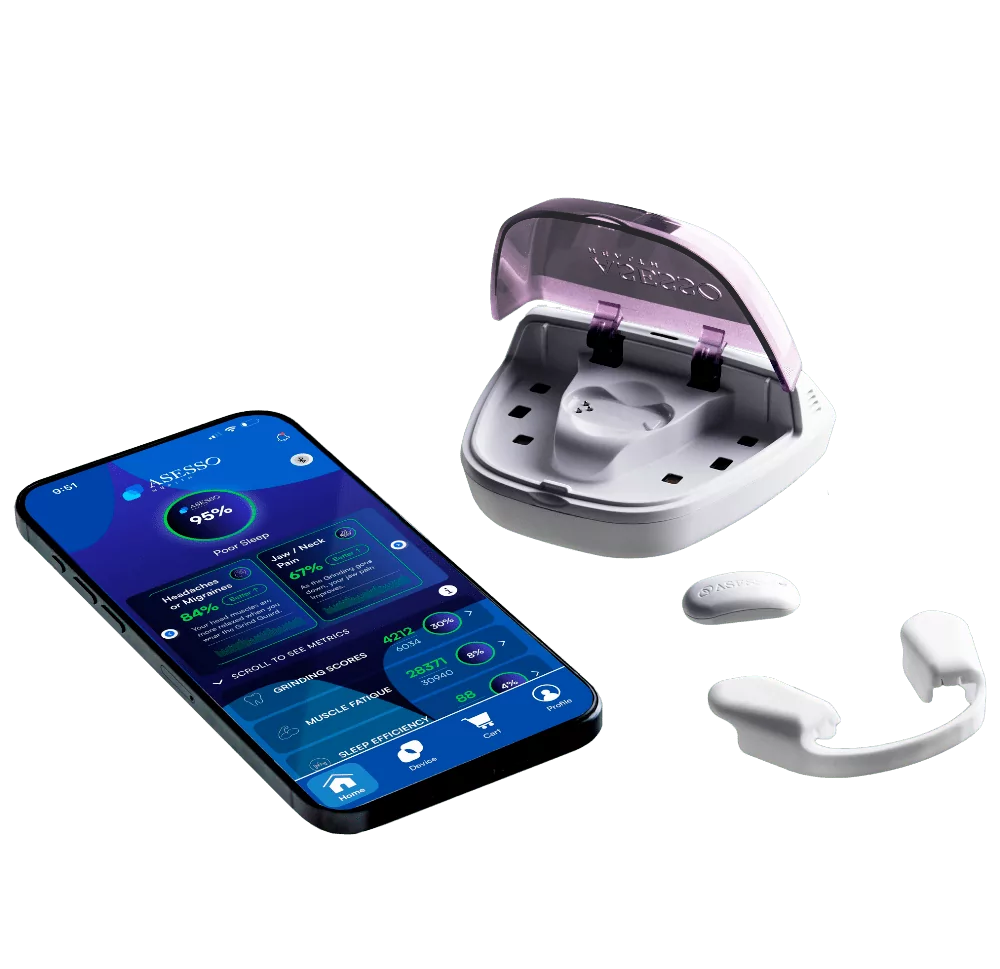
In Asesso project everything followed our proven product development process. In parallel, we worked on custom hardware (the electronic components inside), the mechanical design (the enclosure housing that electronics), and firmware (the embedded software controlling it). At the EP (Engineering Prototype) stage, custom hardware and custom mechanics come together for the first time, and we tested how they work as a system and where they need improvement.
Engineering Prototypes for
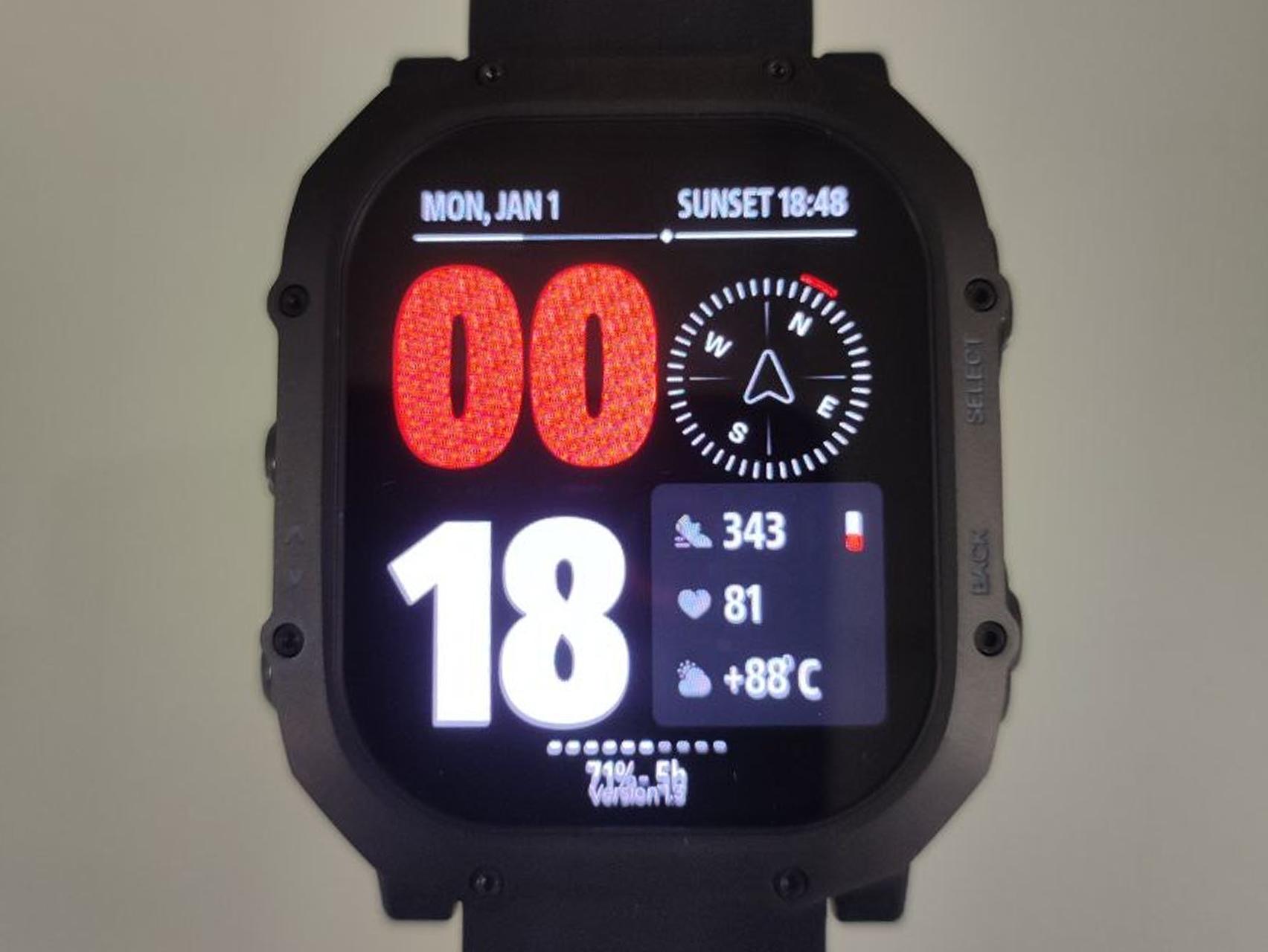
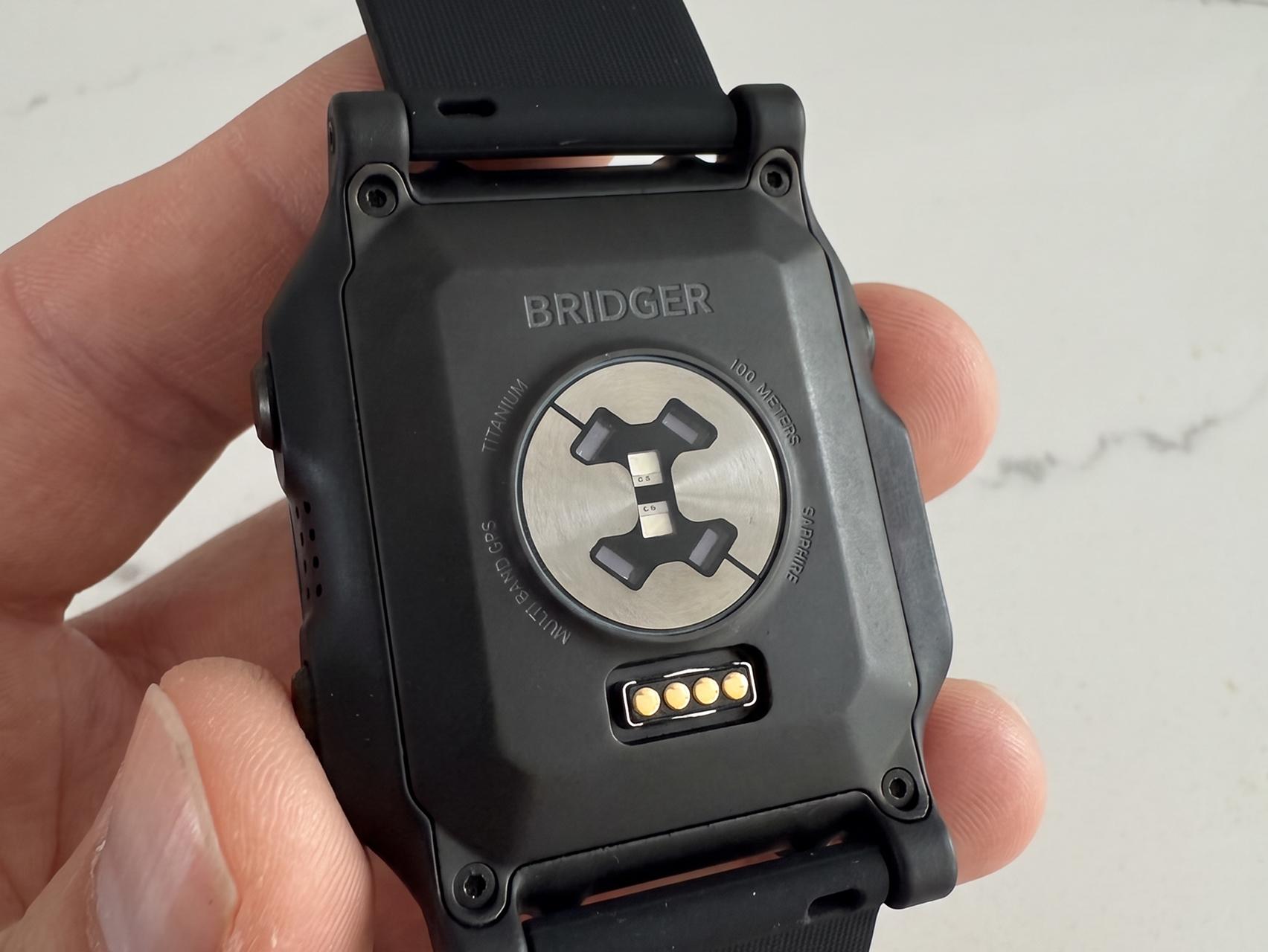
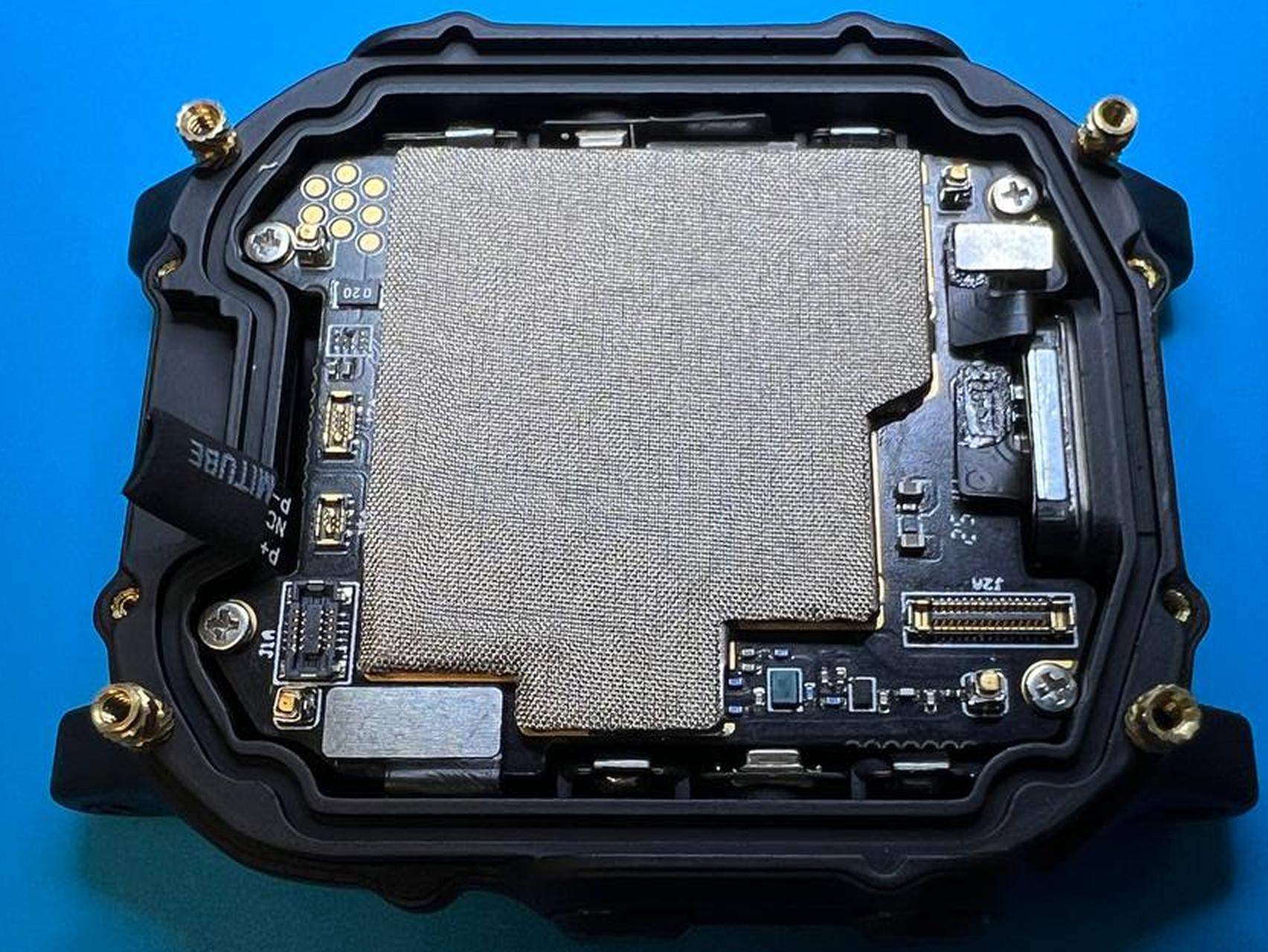
TAKEN BY ODM
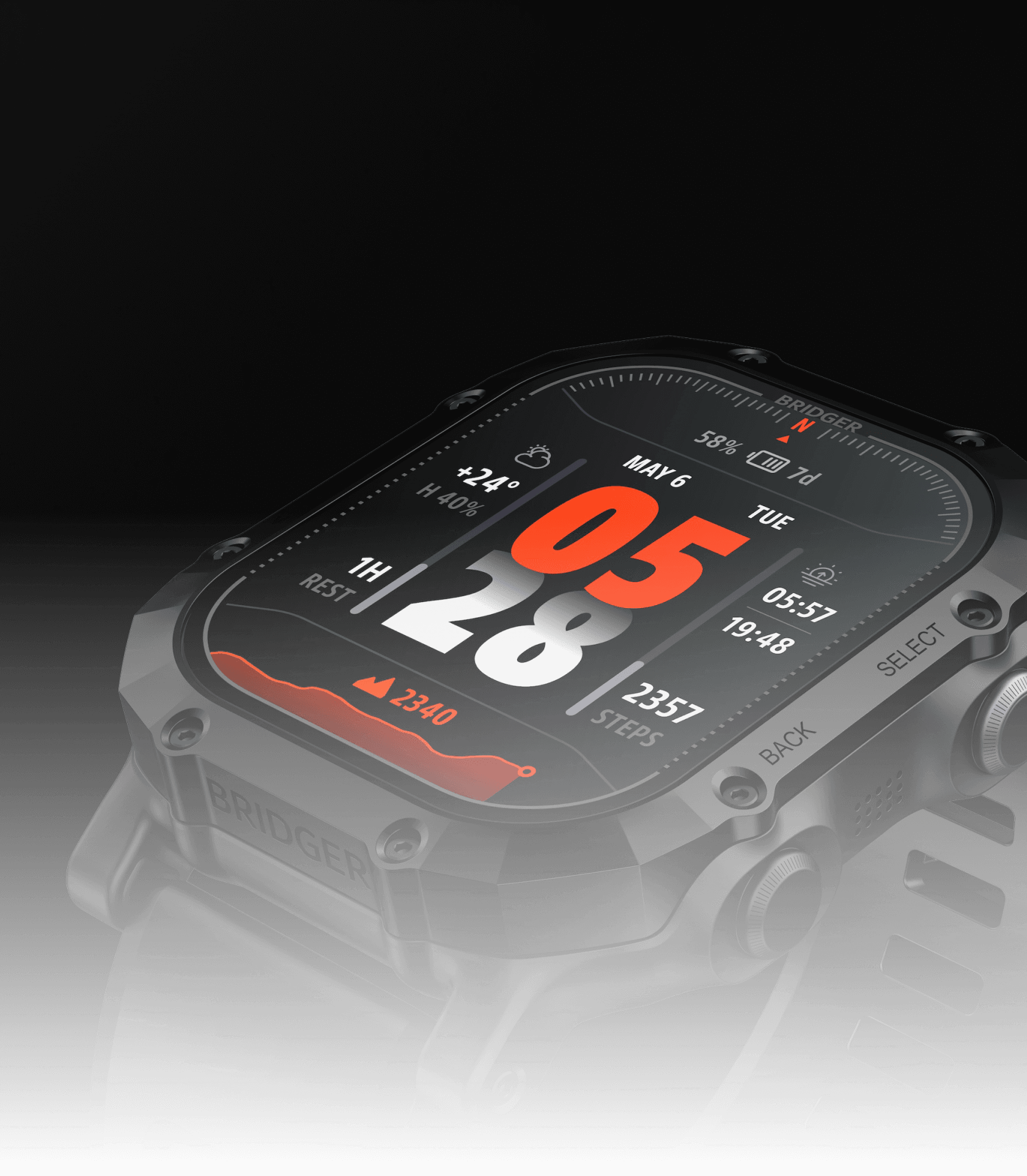
Once the electronics were validated on off-the-shelf boards, the team miniaturized the entire system to fit inside the custom enclosure we designed. At this stage, the project was handed off to a manufacturer that builds devices for Apple. They liked the design and the concept enough to invest in the startup with their own production capacity. The device is available for purchase here: www.bridger.com
Engineering Prototypes for
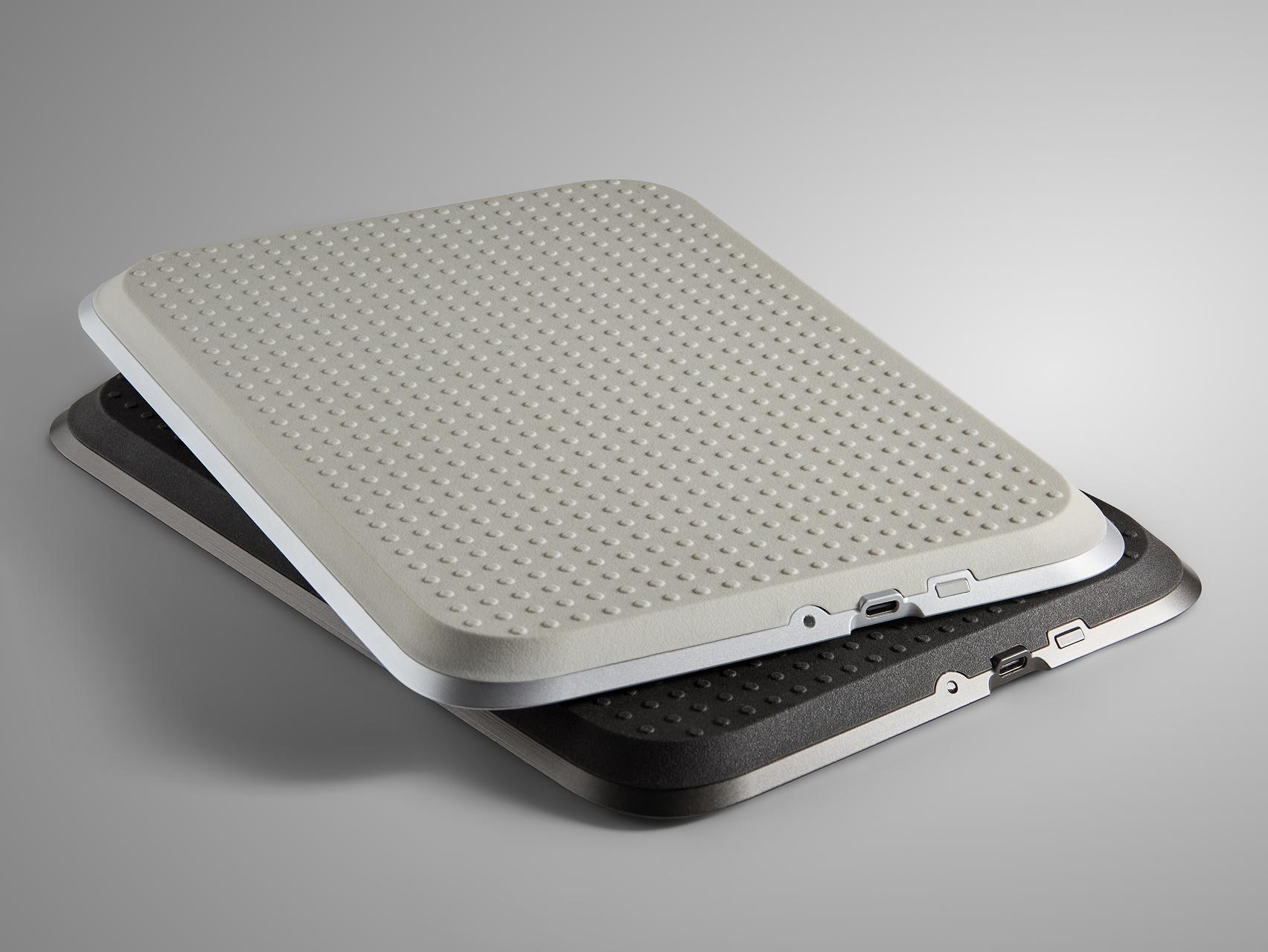
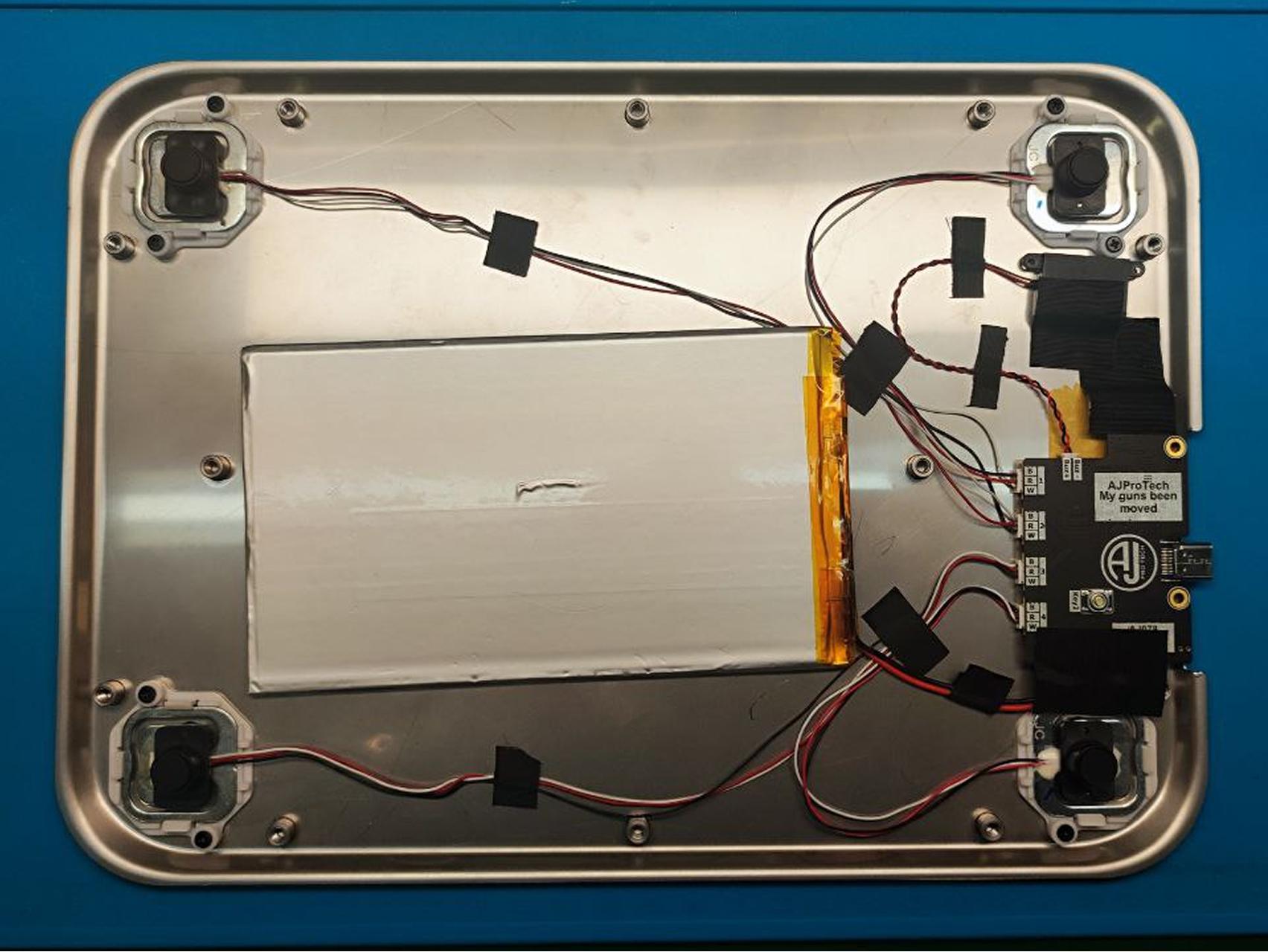
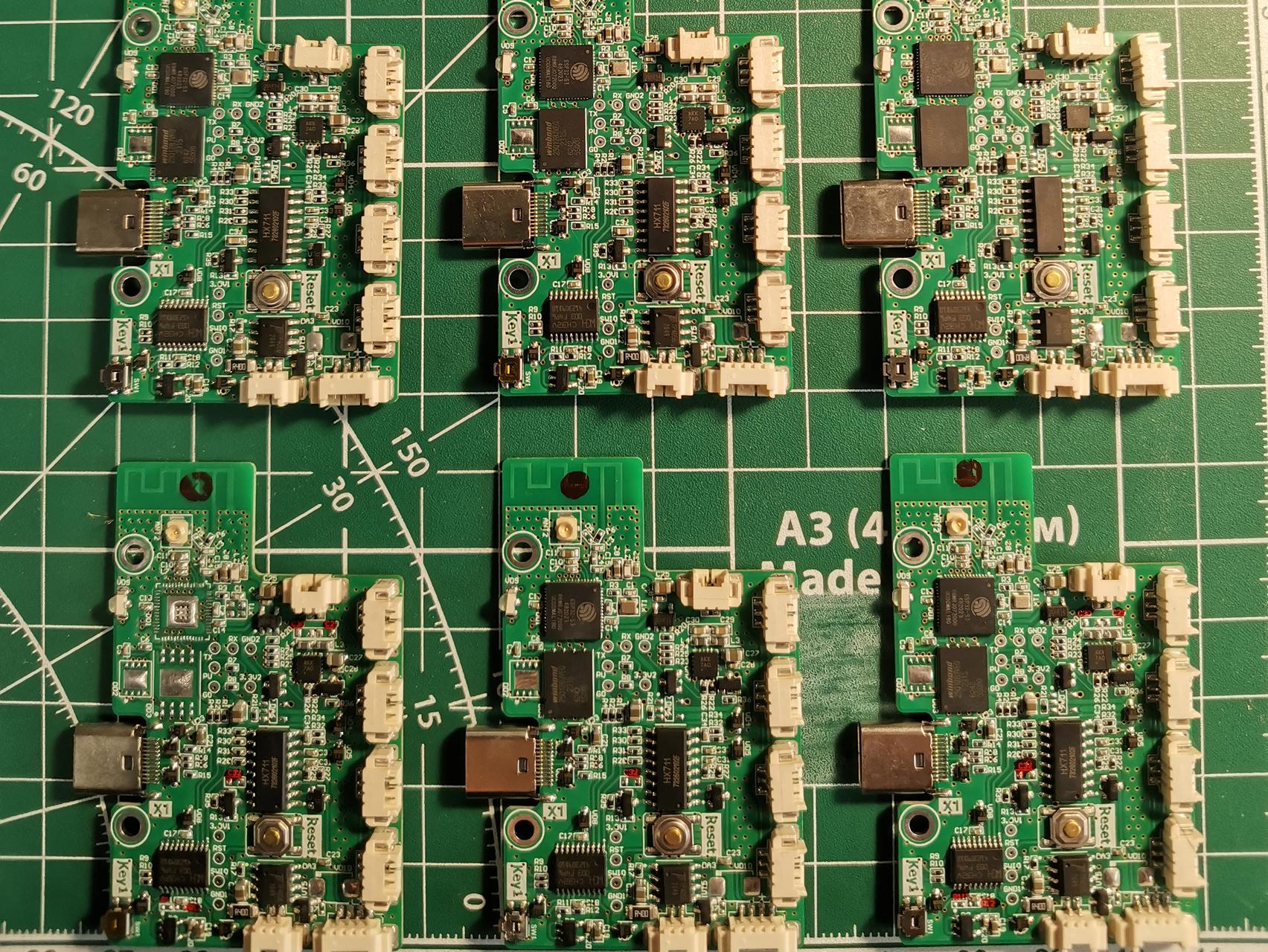
Following our standard product development process, custom hardware components were developed in parallel with the custom enclosures, then integrated with firmware that had been under development since the PoC stage. The client is now closing an additional funding round to move into the next phase: finalizing the device for mass production and running the first production batch with us.
WHAT CAN WE CREATE TOGETHER?
Schedule a Free ConsultationEngineering Prototypes for
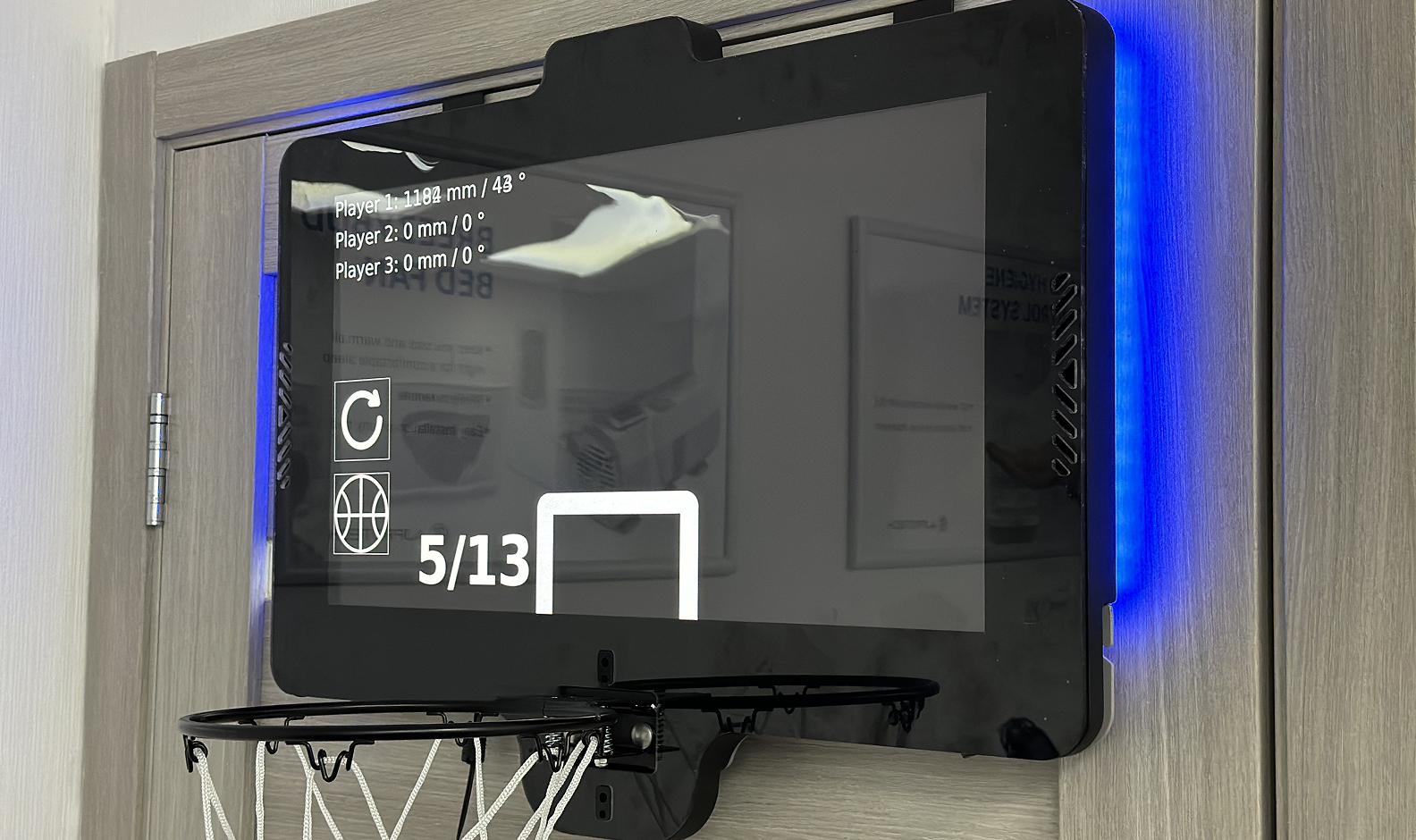
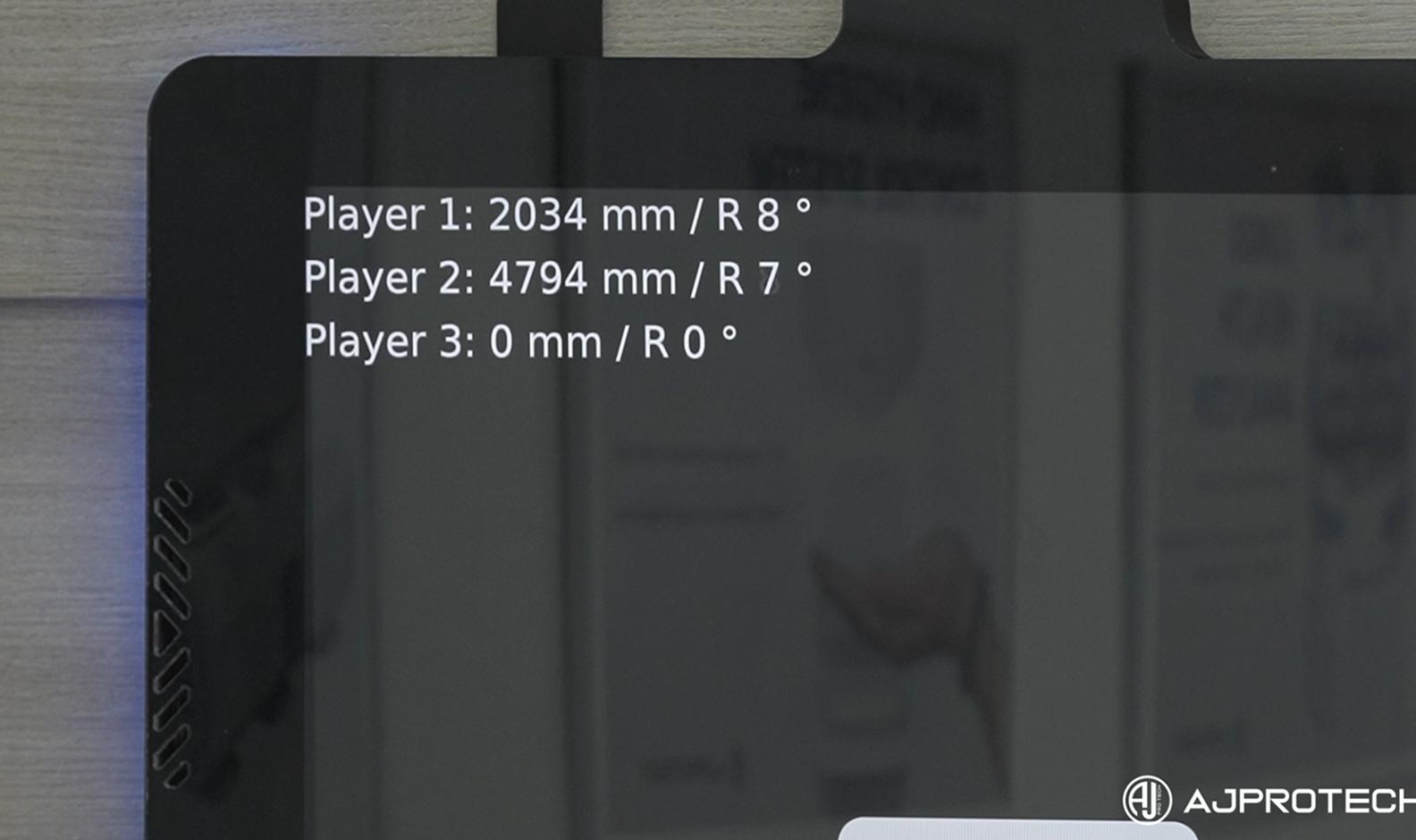
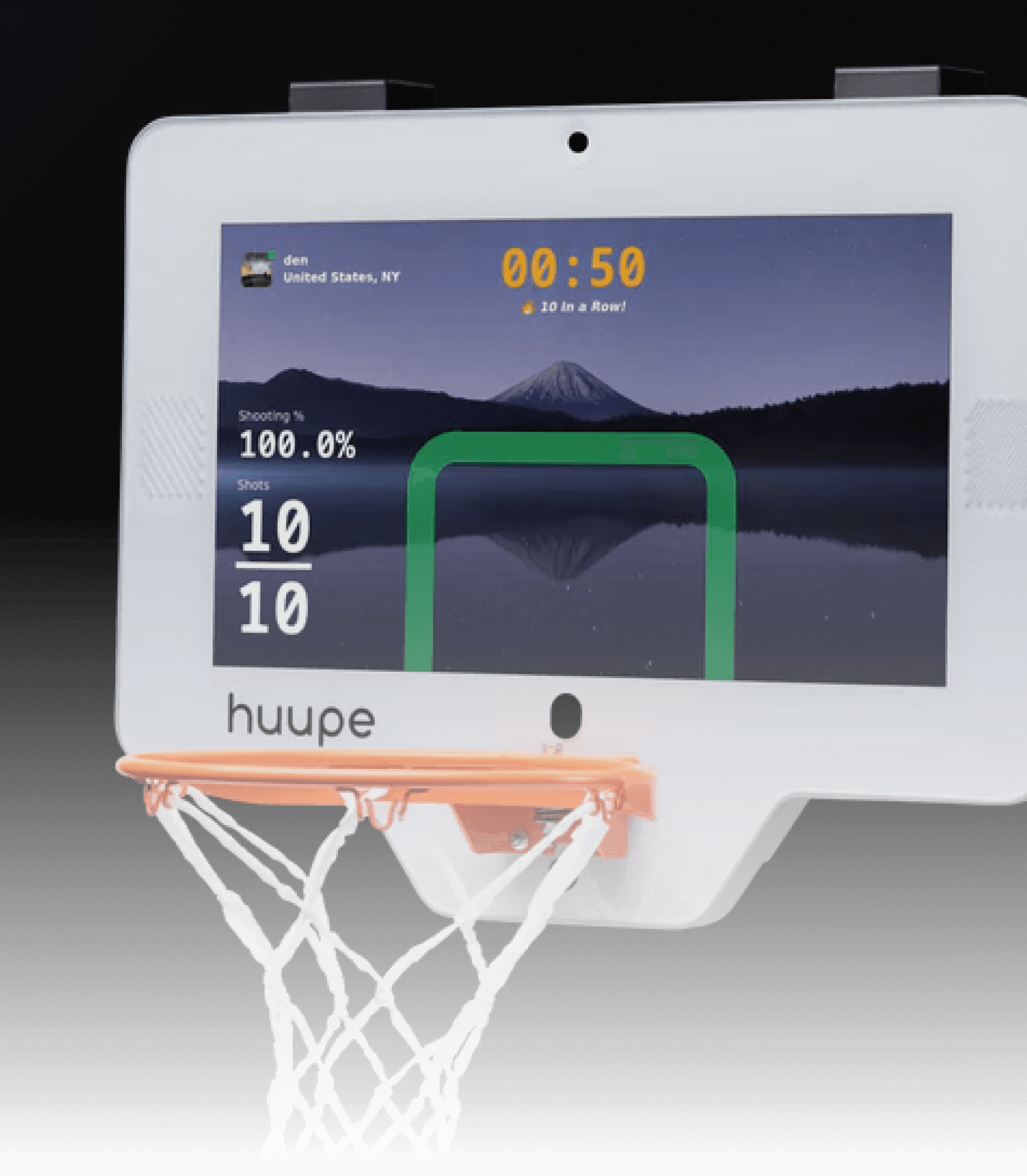
A custom mechanical enclosure was built to house off-the-shelf components for the time being, while we began work on the custom electronics, developing firmware and calibrating the radar in parallel. Once the core detection principle was proven, ball tracking, hits versus misses, and detecting multiple players along with their position relative to the device, the client's team decided to take the project in-house and continue development on their own. The device is available for purchase here: www.huupe.com
Engineering Prototypes for
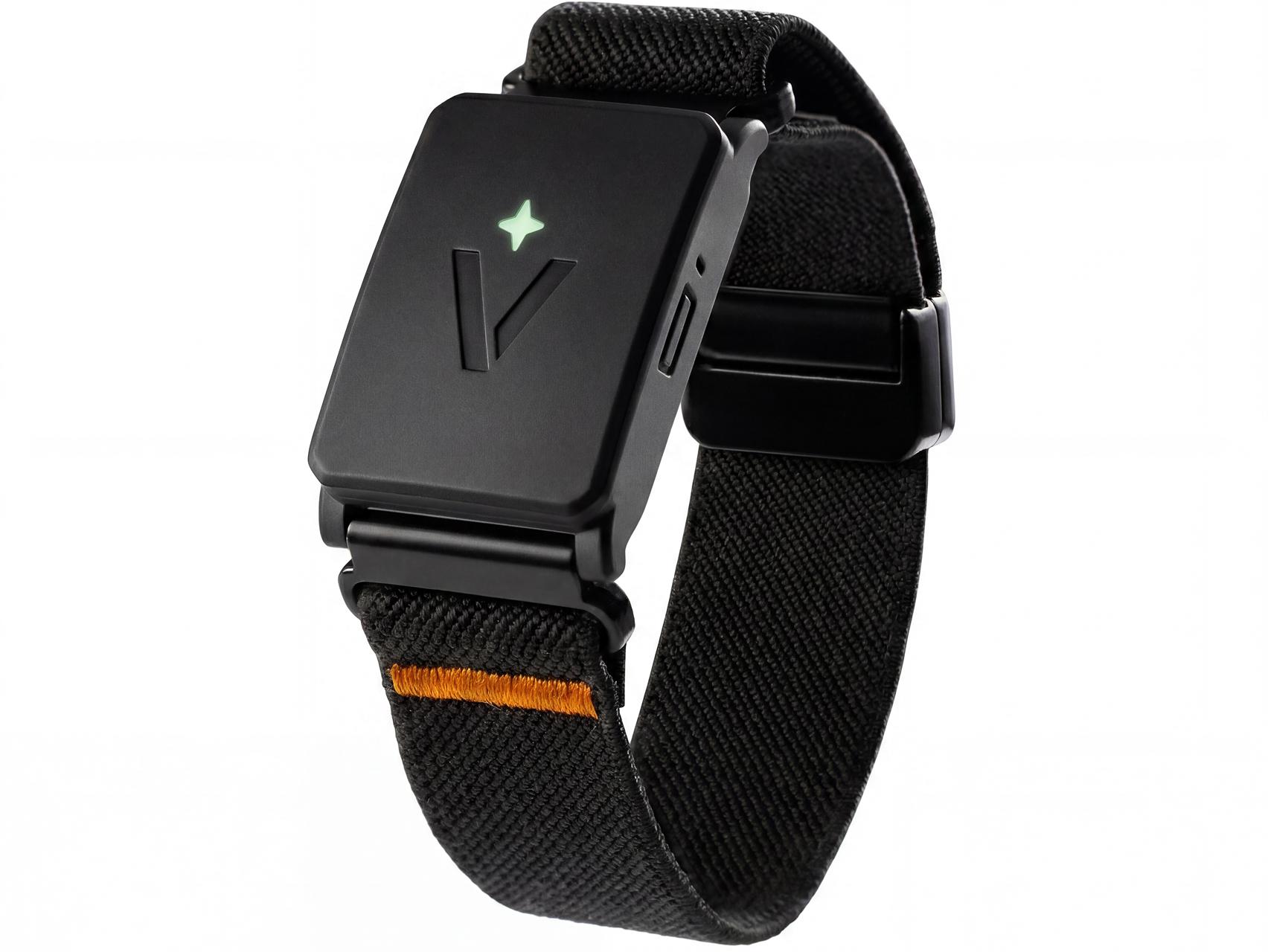
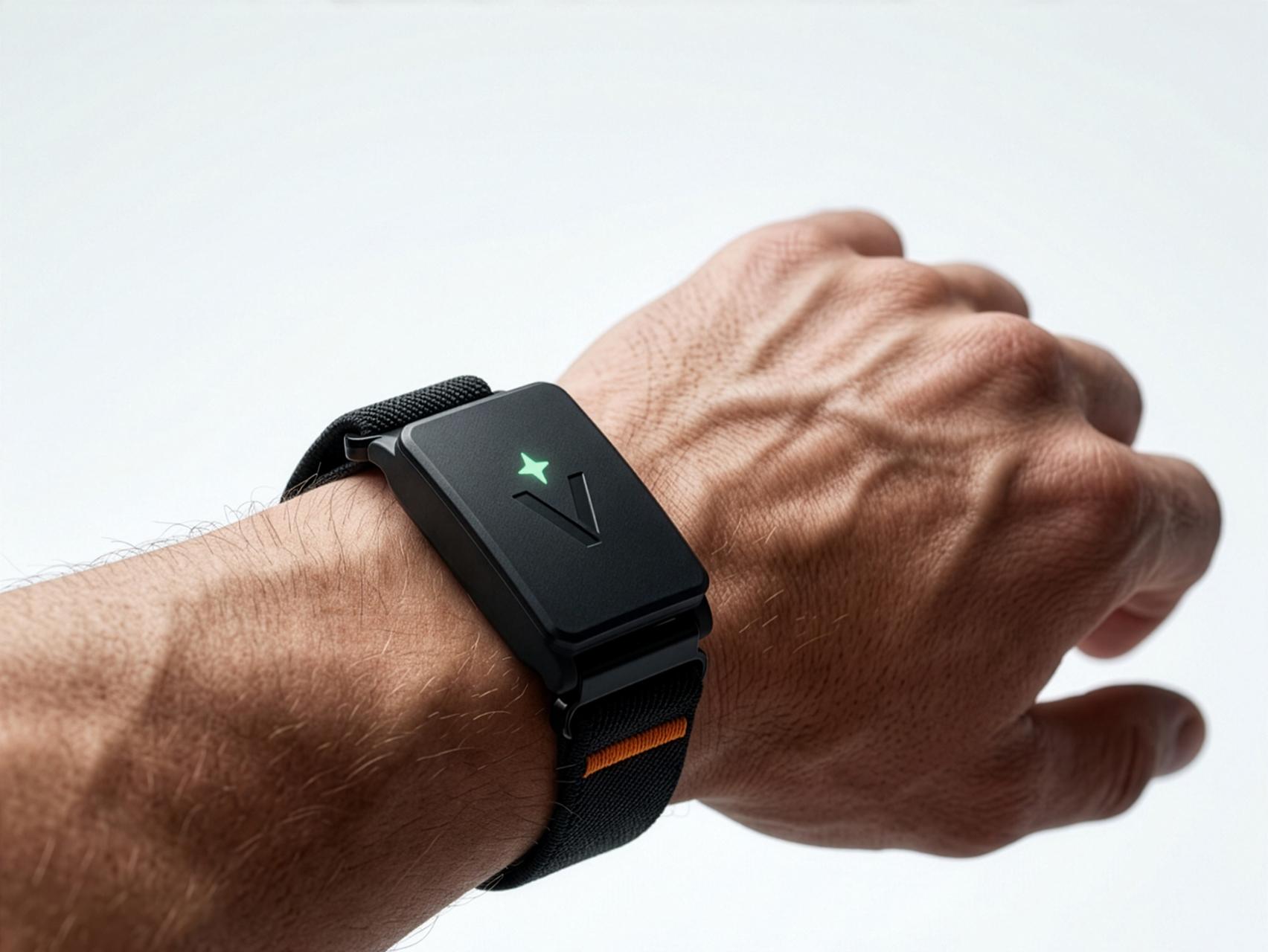
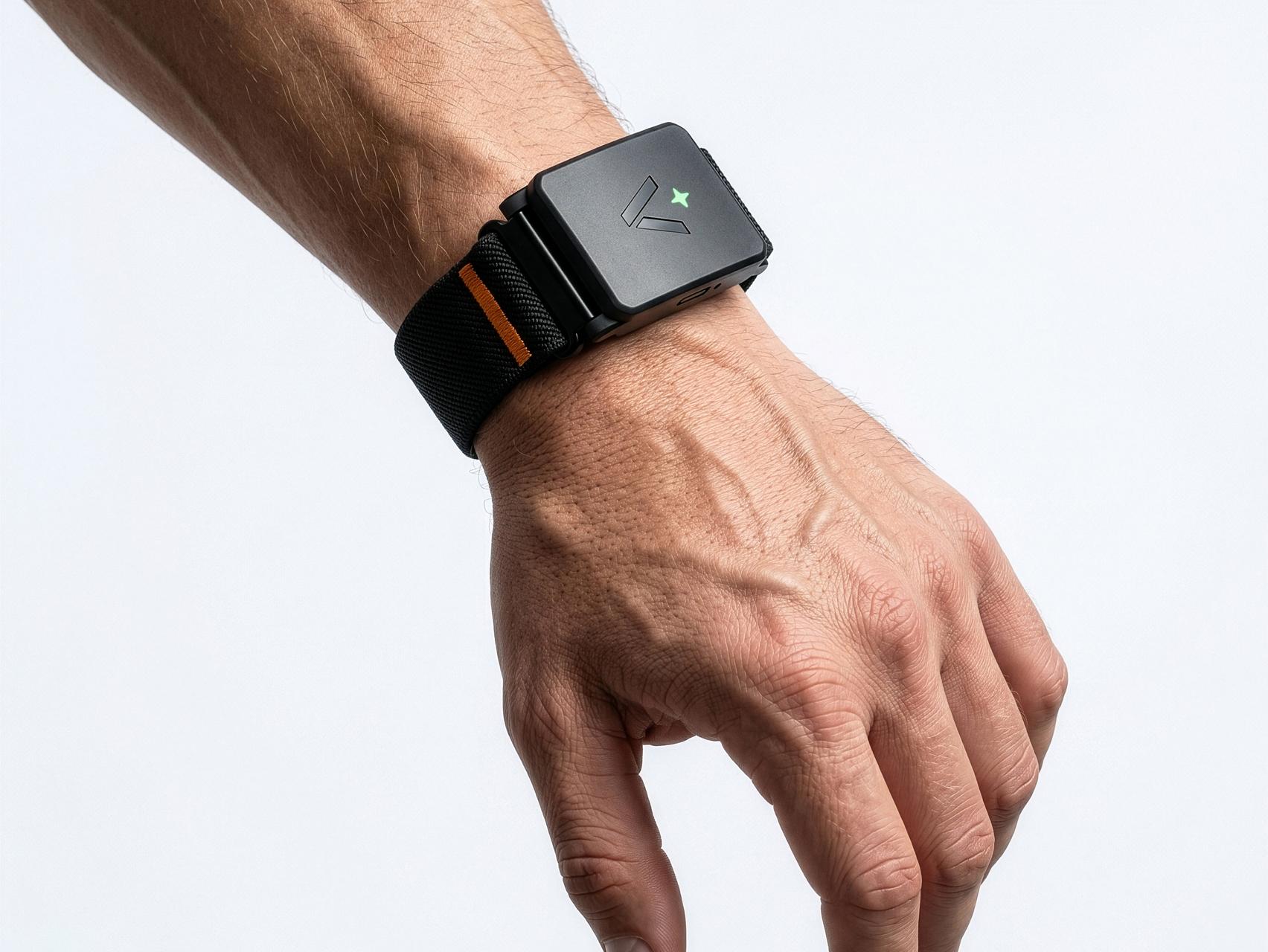
Because we had full control over our own platform, development from that point moved smoothly. Custom hardware and a custom enclosure, following our standard product development process, came together quickly and at a quality level high enough that the client decided to deploy it in real gyms across the country.
Design Validation Test (DVT)
By DVT, the product finally looks and feels like the real thing. We finish all tooling, run full compliance testing (CE, FCC, UKCA, RoHS), and build out the production fixtures and test jigs that will be used for every unit going forward.
This stage is engineering's last act. Almost no design changes happen here - only production improvements. We're refining the assembly sequence, optimizing cycle time, and ensuring the factory can hit yield targets consistently before mass production begins.
Design Validation Test for
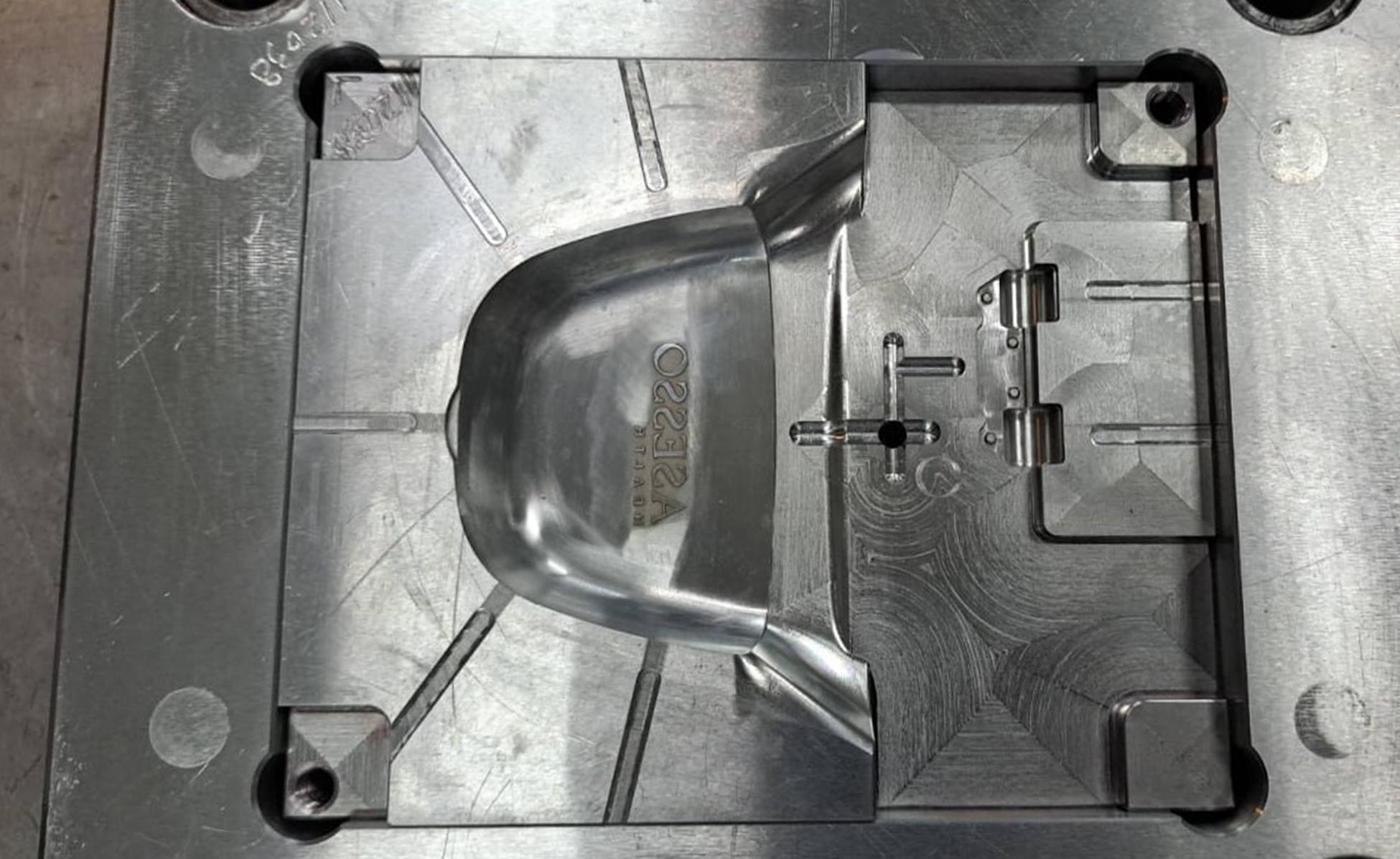
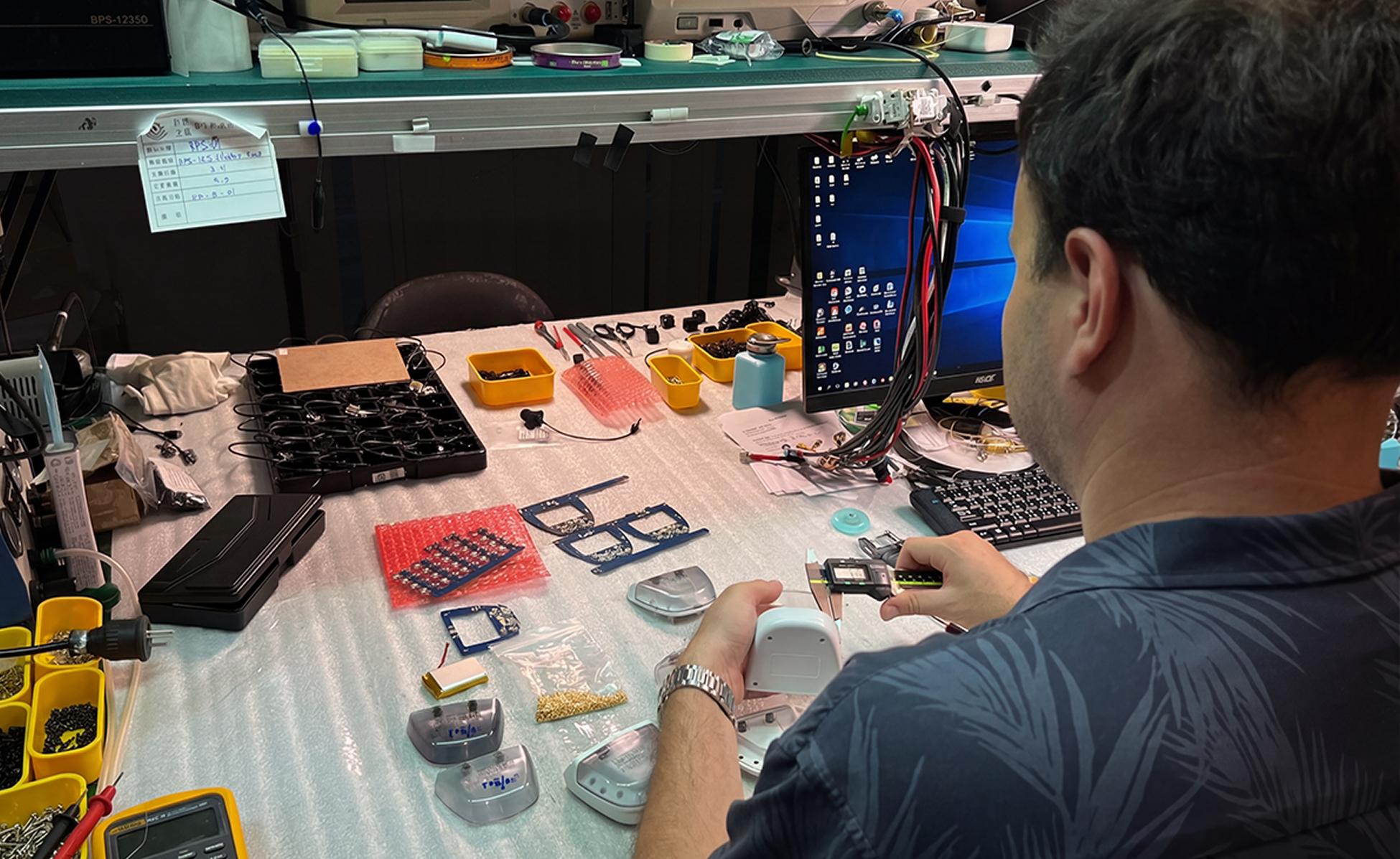
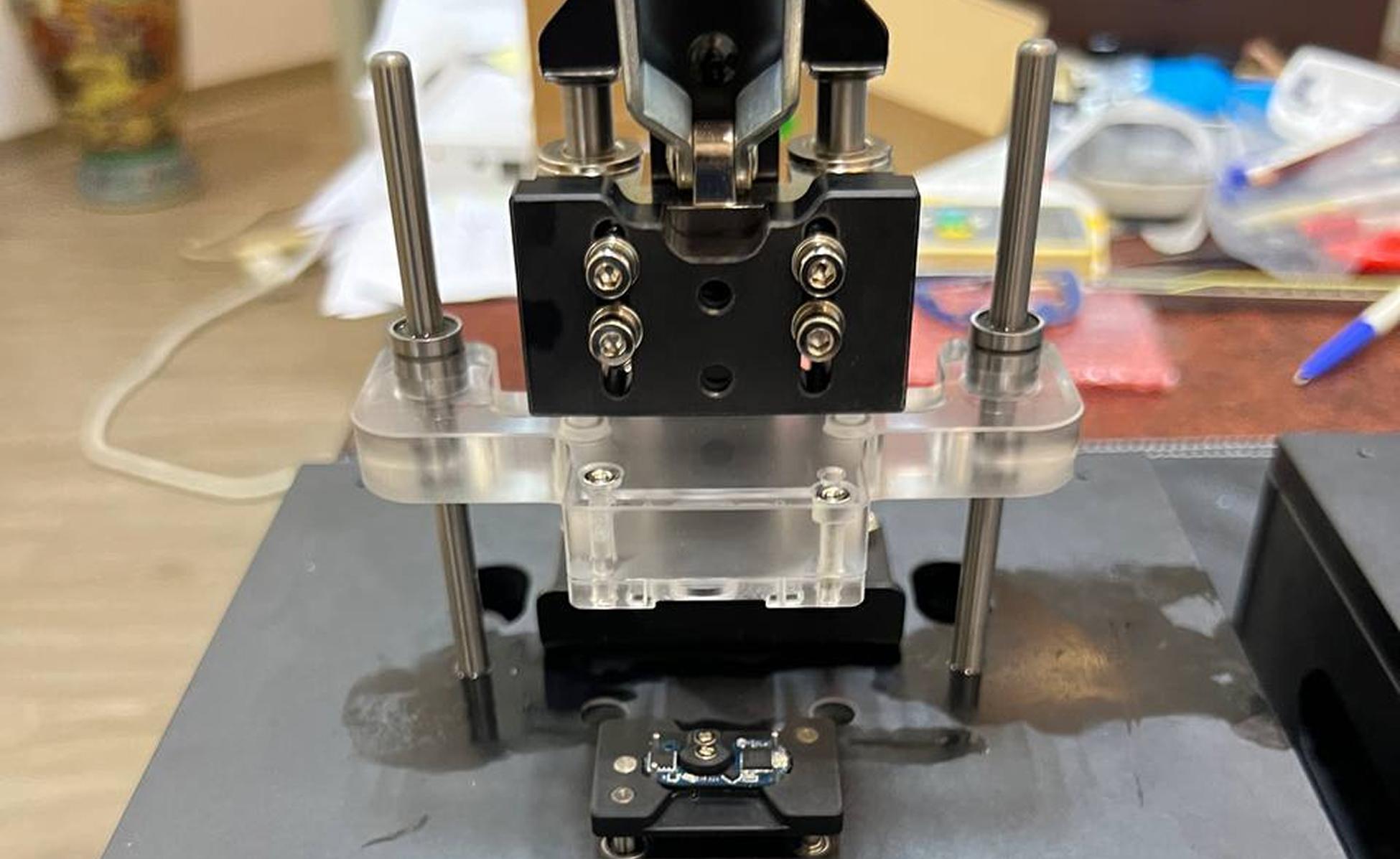
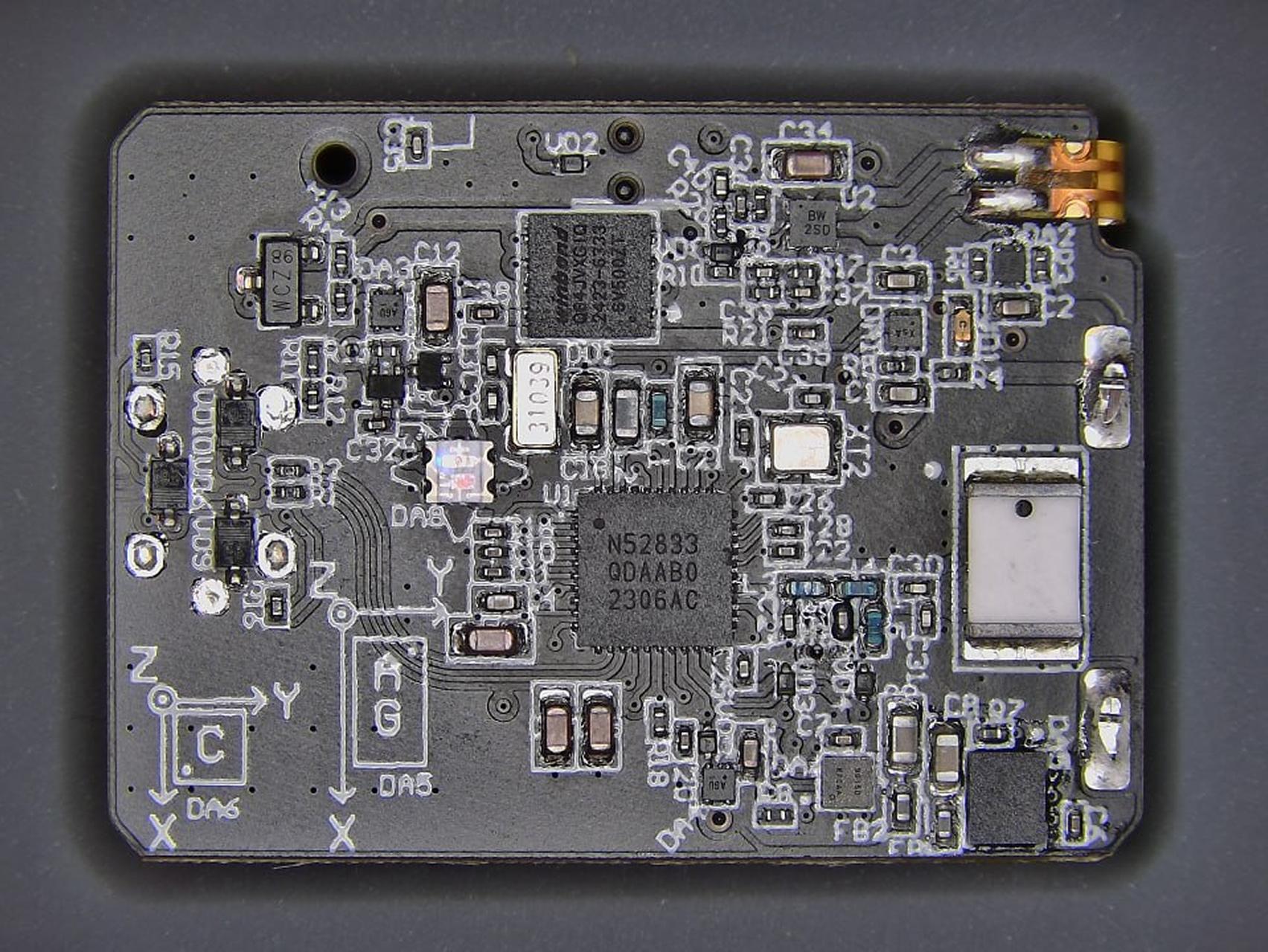
In Asesso project everything followed our proven product development process. In parallel, we worked on custom hardware (the electronic components inside), the mechanical design (the enclosure housing that electronics), and firmware (the embedded software controlling it). At the EP (Engineering Prototype) stage, custom hardware and custom mechanics come together for the first time, and we tested how they work as a system and where they need improvement.
As interest in the project grew, so did demand for the devices. The client decided to move forward with us on a small production batch. We run our own small-scale production facility, which helps bridge the gap for startups that don't yet have the volume major manufacturers require. We produce limited runs like this for partners who've been with us from the start, and only on designs we built ourselves.
That's what happened with Asesso. We handled all DVT-phase prep, managed tooling, ordered components, and manufactured a small batch of devices for them.
Design Validation Test for
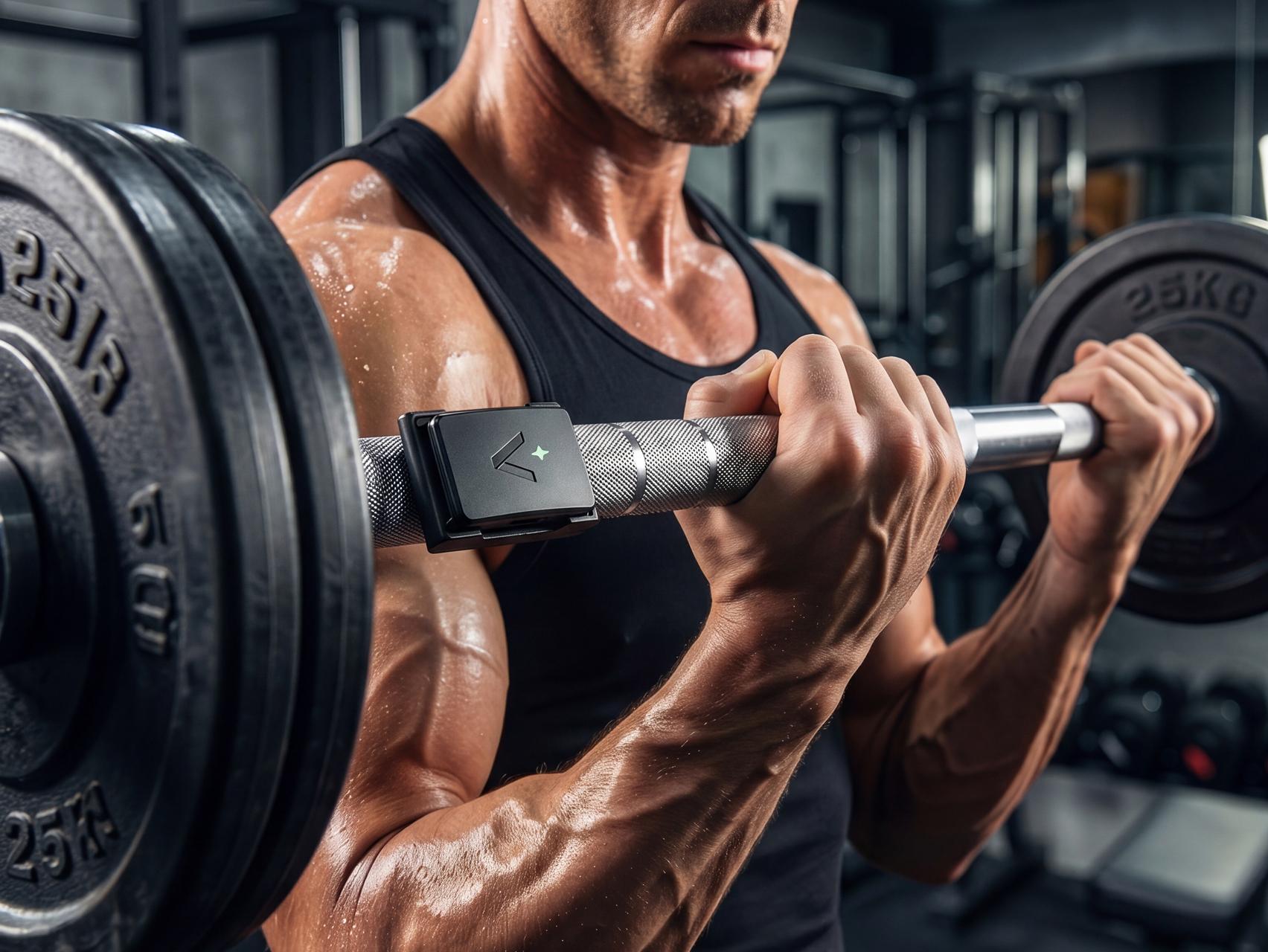
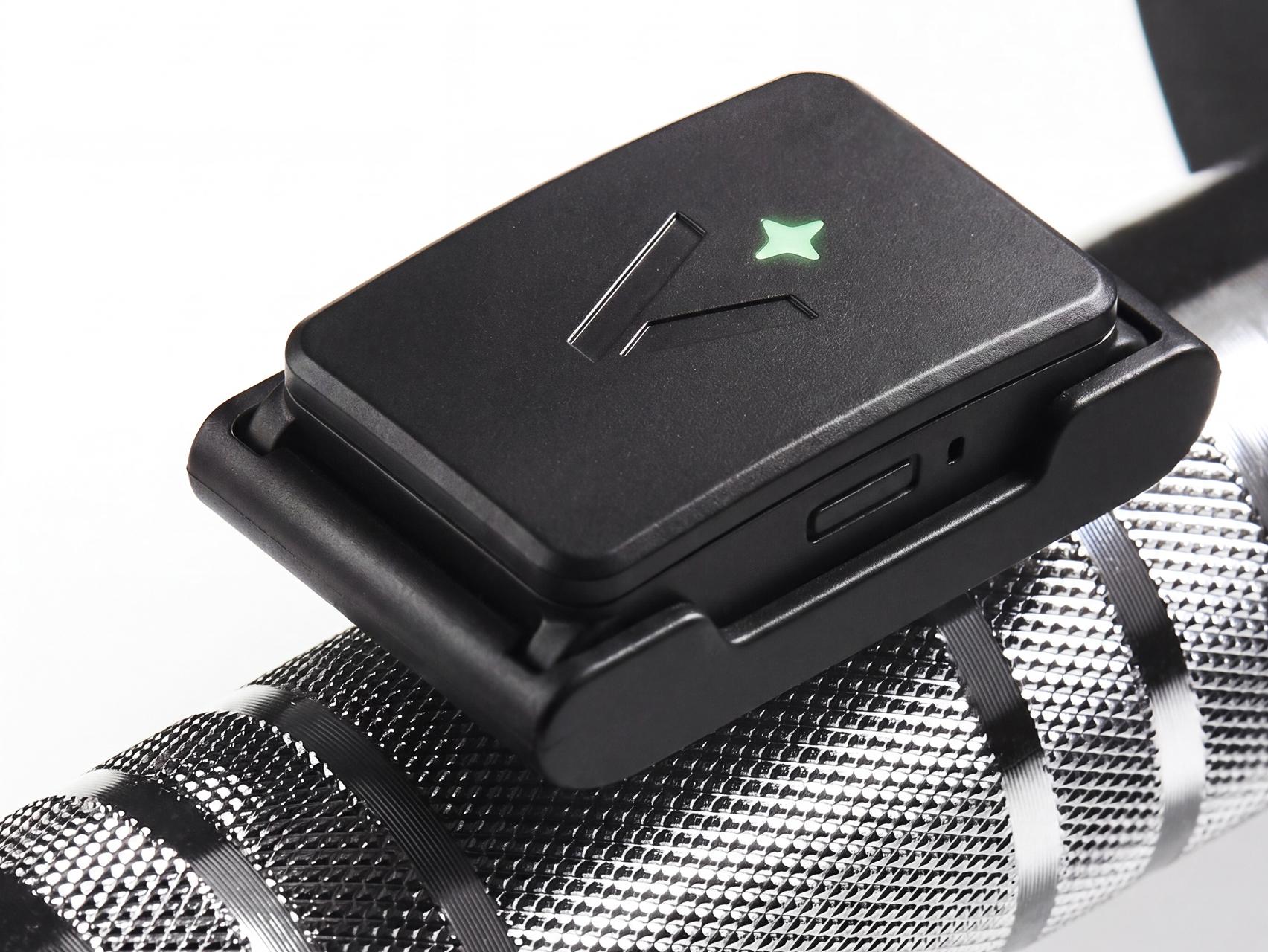
Because we had full control over our own platform, development from that point moved smoothly. Custom hardware and a custom enclosure, following our standard product development process, came together quickly and at a quality level high enough that the client decided to deploy it in real gyms across the country.
At this stage, the client realized the housing needed a redesign. The device had to attach magnetically to barbells and dumbbells without issue to keep tracking accurate. That kind of change usually happens back in the engineering prototype phase, but we took it on and added a month to refine the mechanical design through rapid prototyping and testing.
Once the final mechanical structure was approved, we wrapped up DVT and tooling. The client then produced a small batch of units with us and distributed them to gyms across the US for testing.
Production Validation Test (PVT)
PVT is the last point where a process issue can be caught before it reaches every customer on the list. The units are built on the same tooling, same components, same firmware as the final product — the only variable is volume.
It also puts pressure on everything at once: hardware, firmware, packaging, support pipeline, supply chain. Anything that breaks here gets fixed before scale. After PVT, it's mass production.
Production Validation Test for
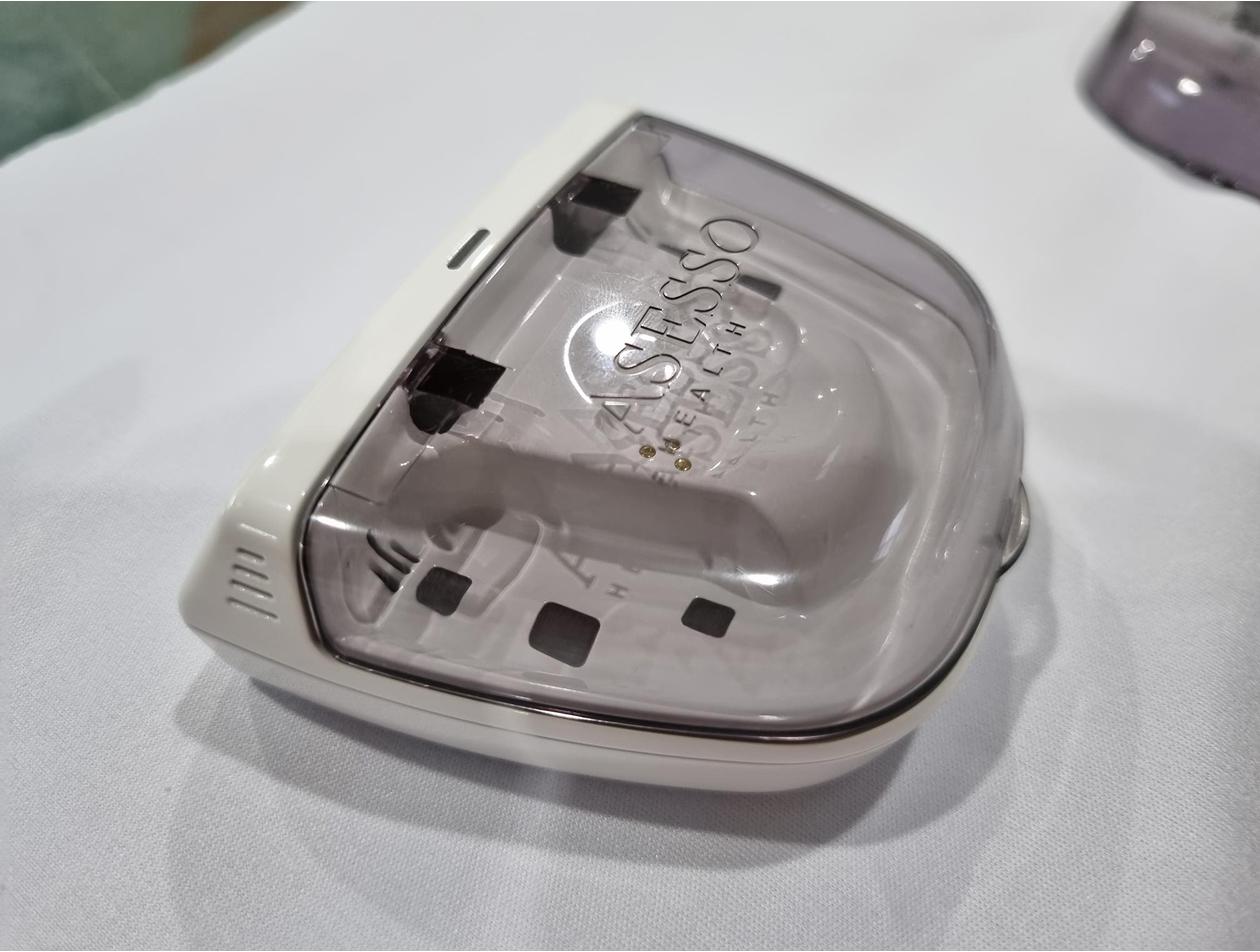
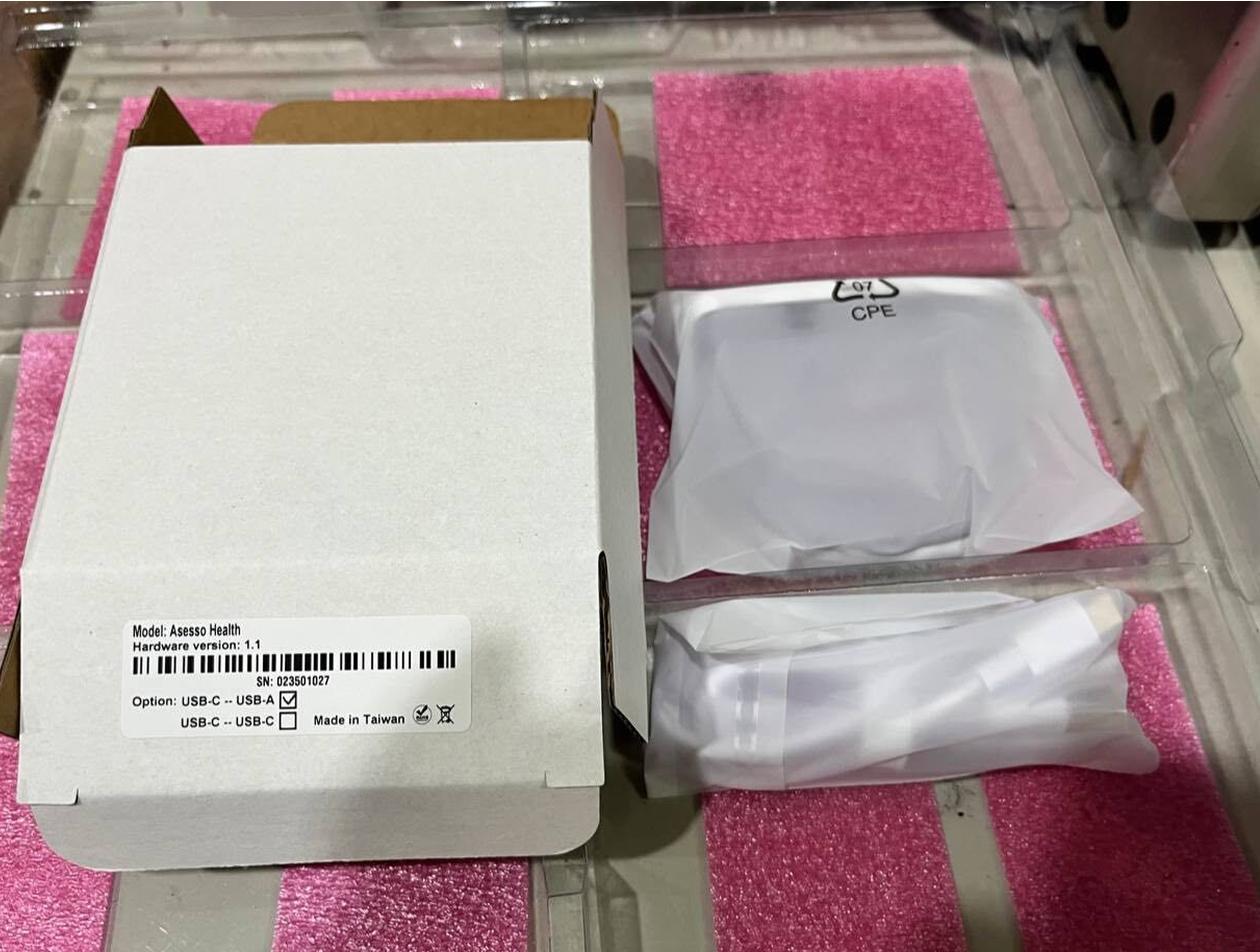
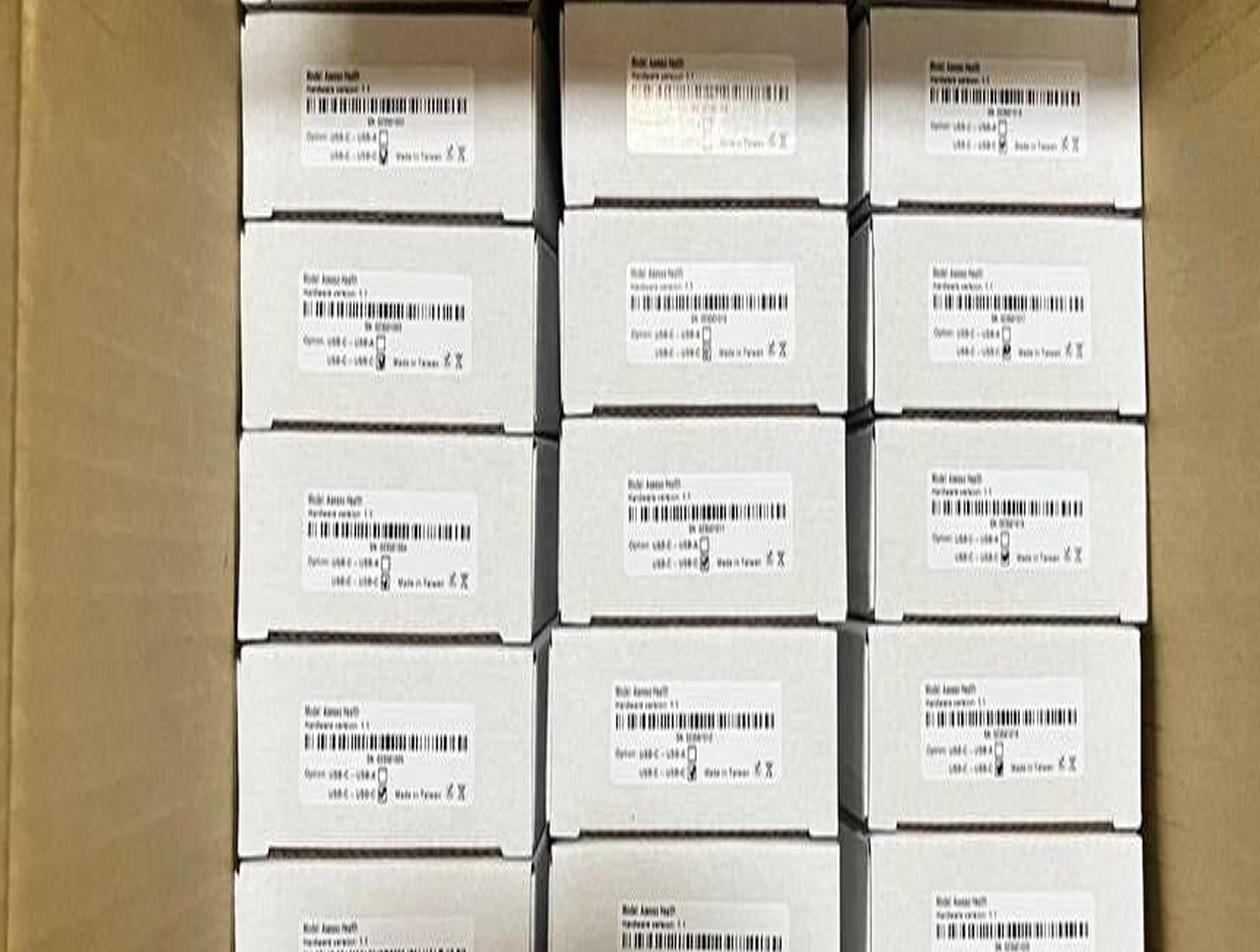
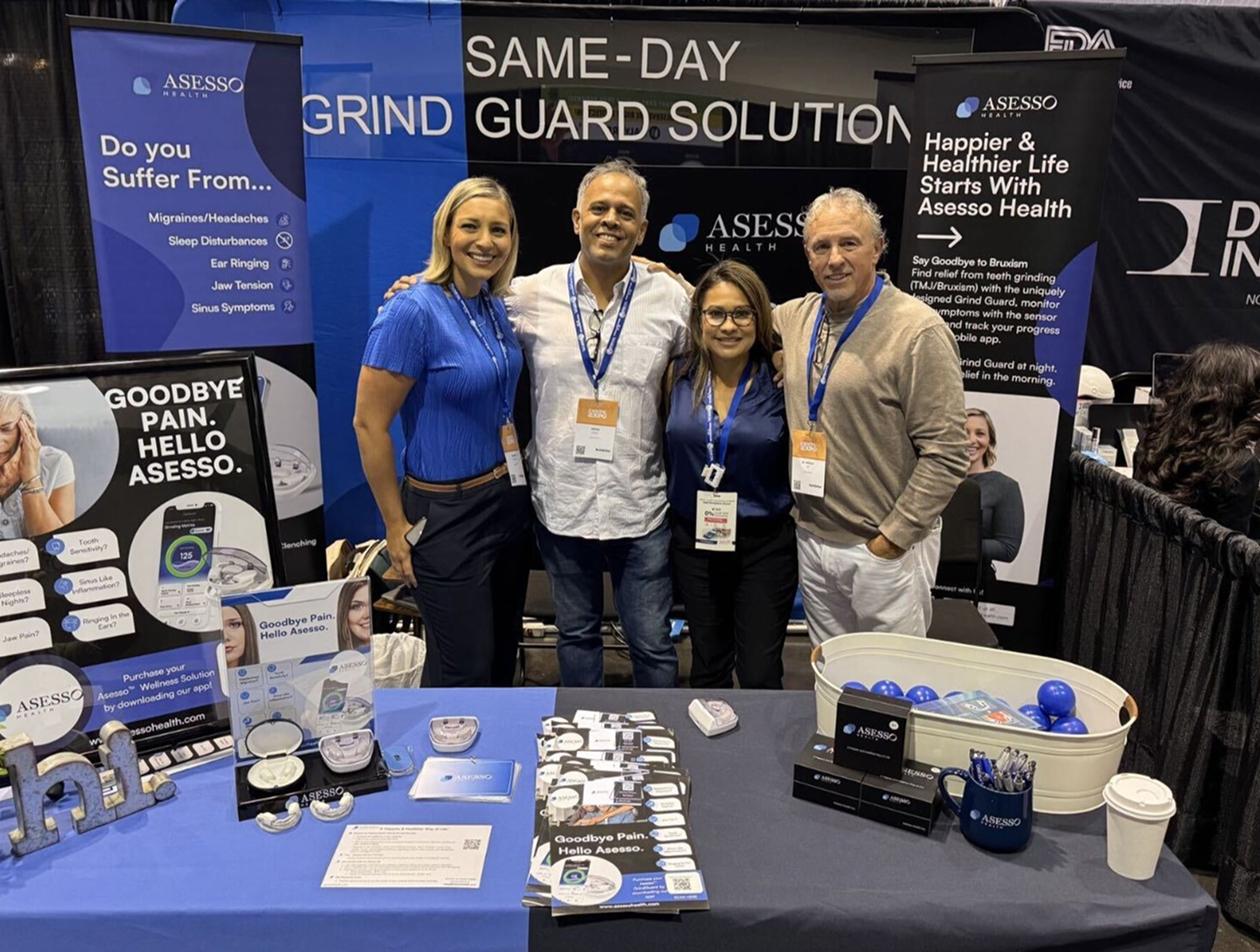
Once our development process wraps up, we build and validate the mass-production tooling, then set up and fine-tune the PCB production and final assembly lines. From there, the units get packaged and shipped fully assembled and retail-ready. We still manufacture small batches for this client today.
Production Validation Test for
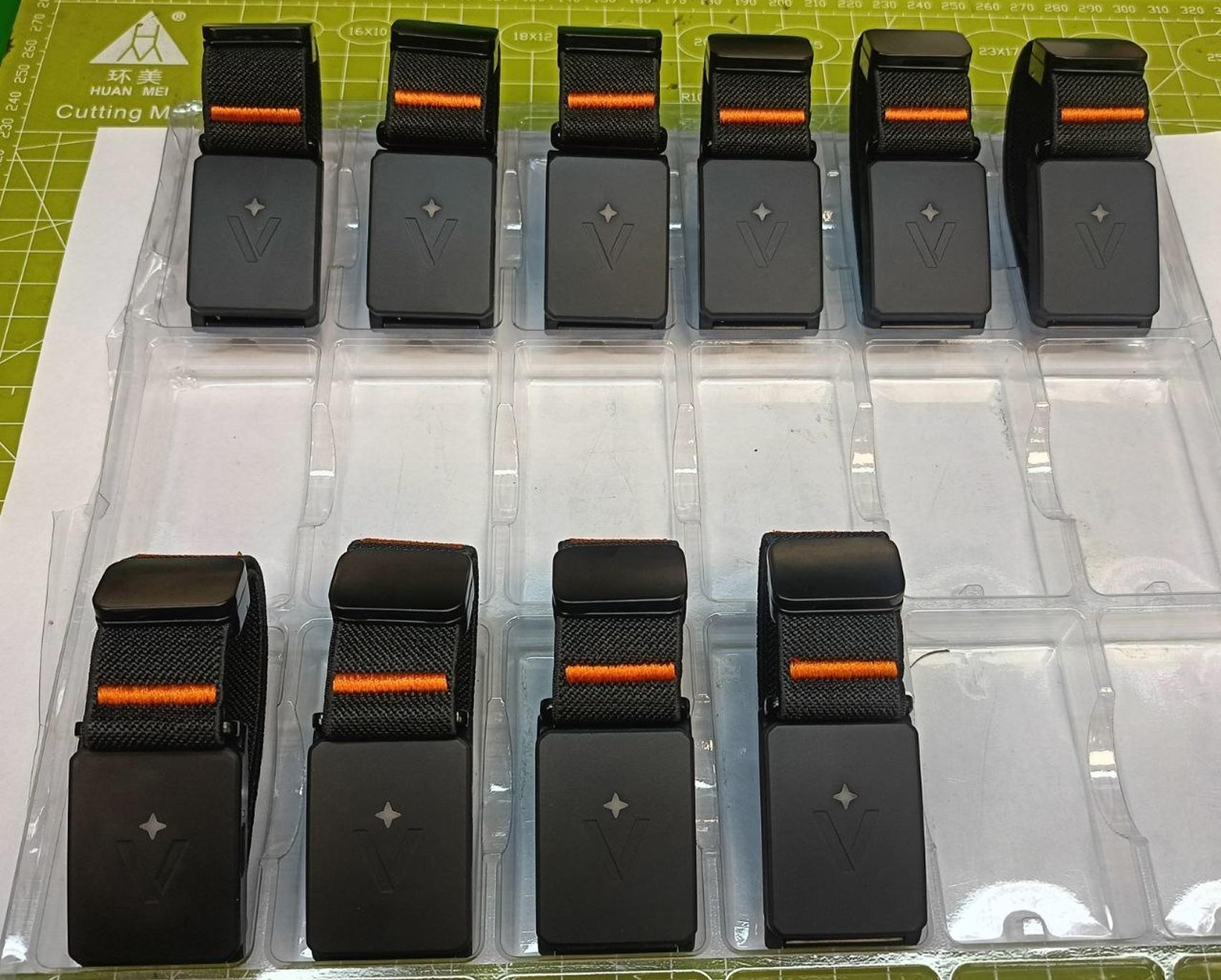
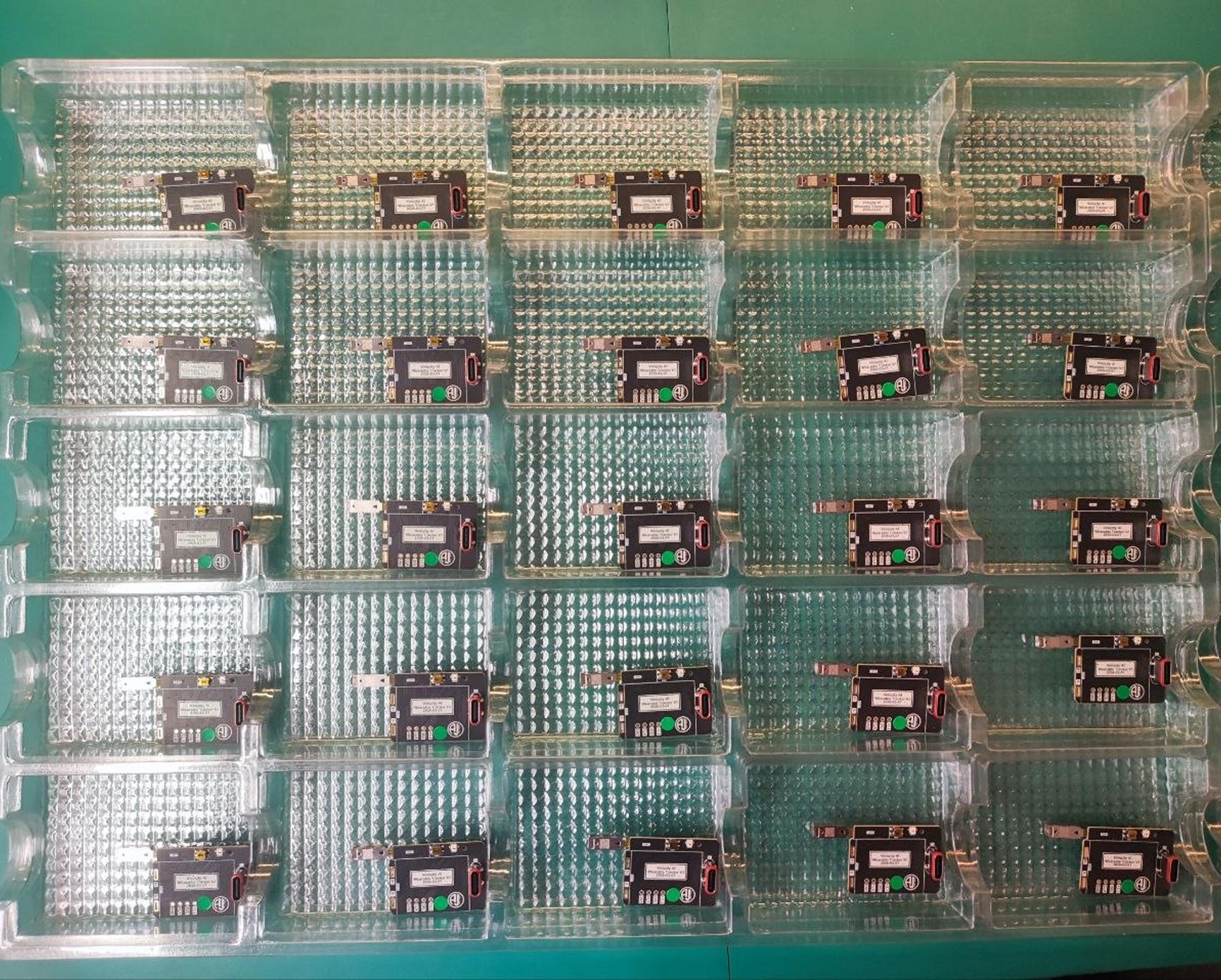
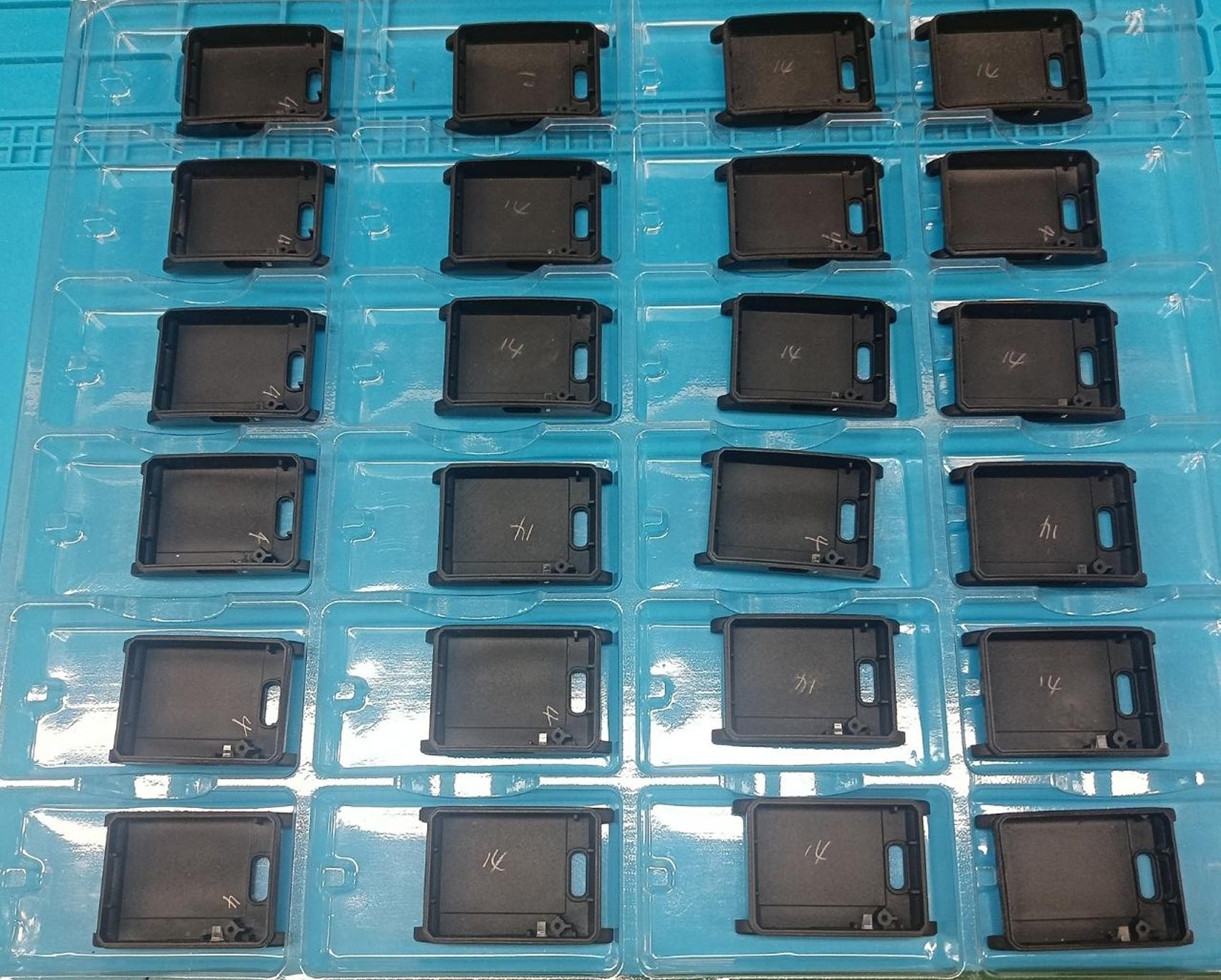
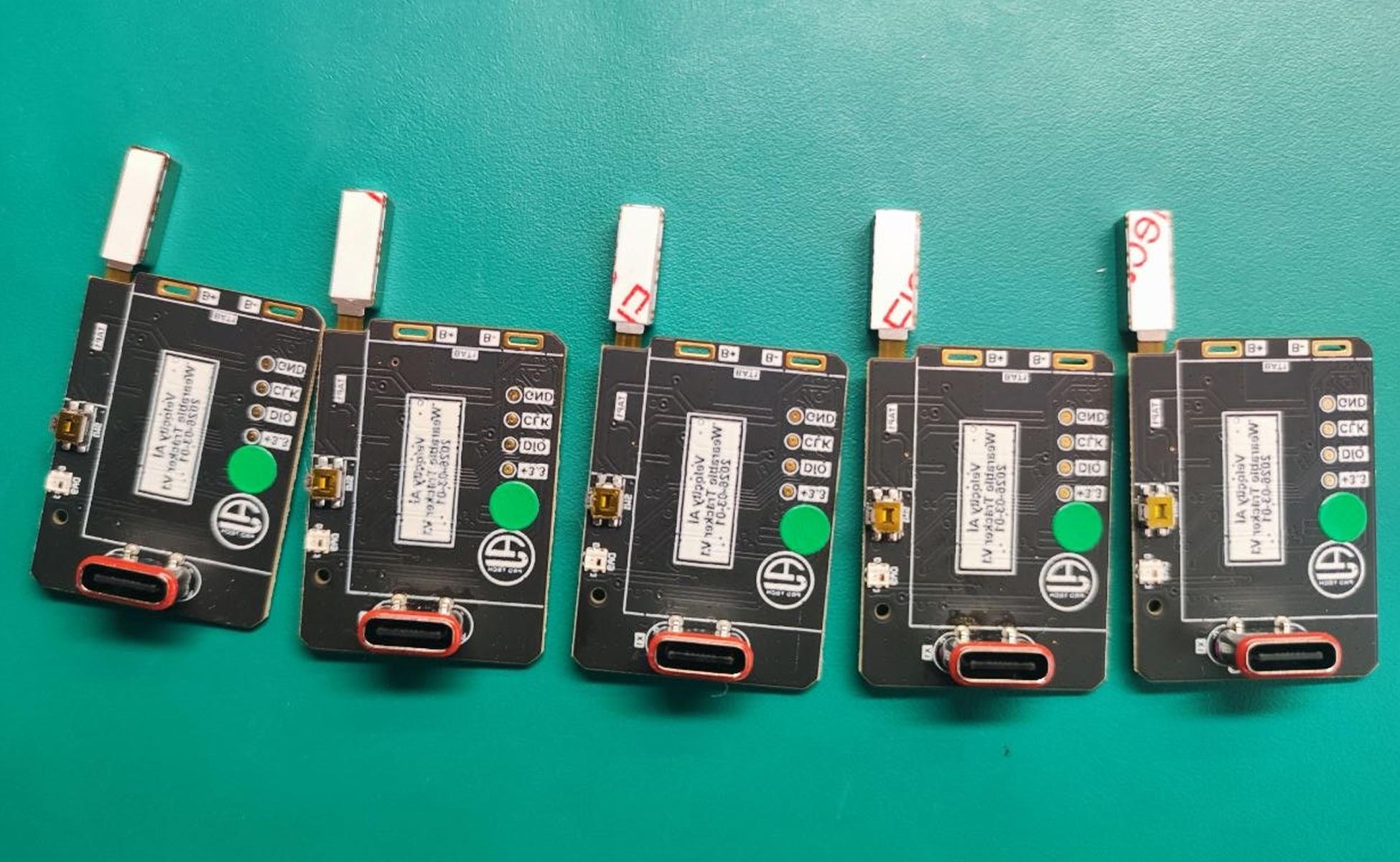
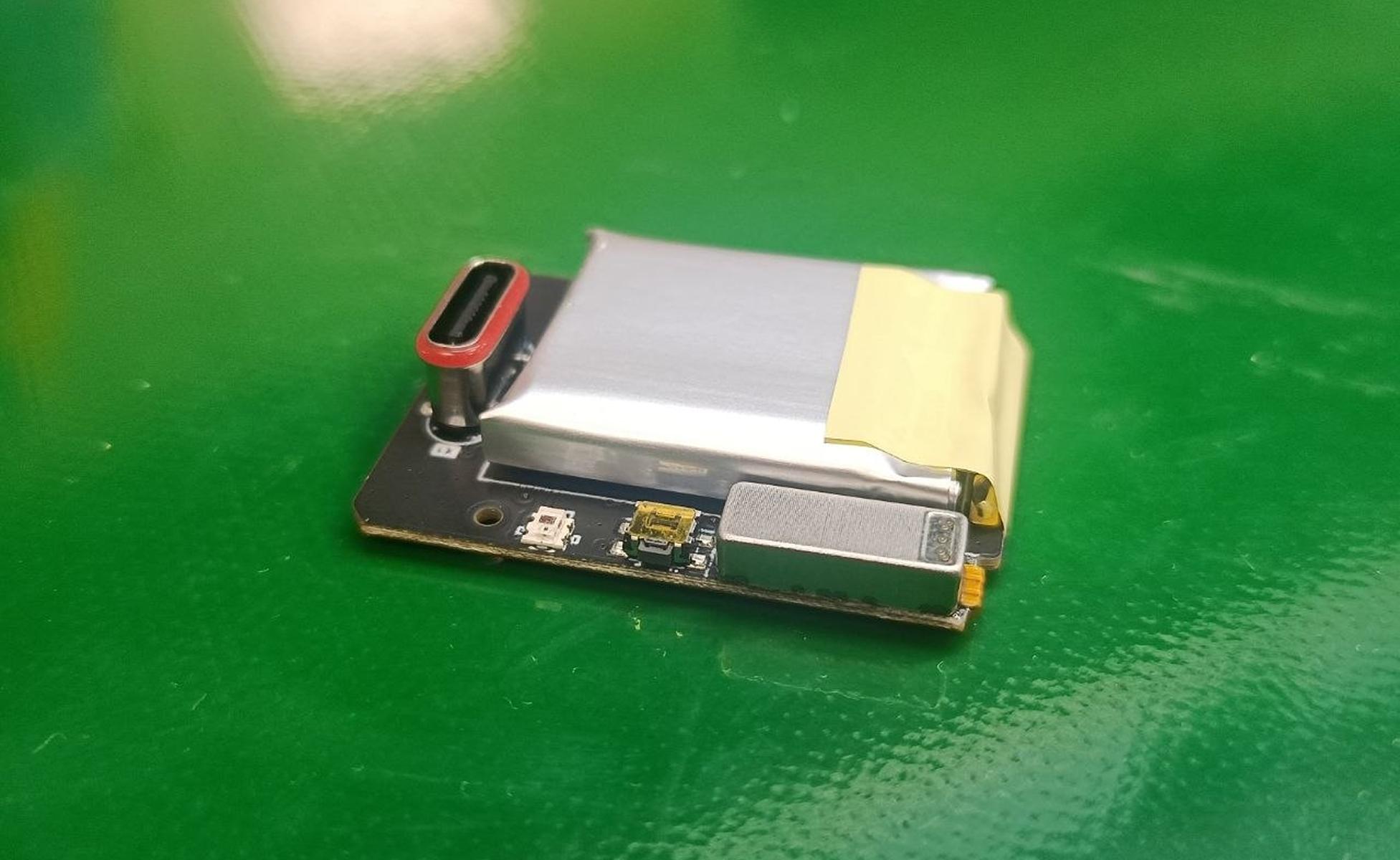
After the development process is complete, we manufacture and validate the mass-production tooling, then stand up and dial in the PCB production and final assembly lines. The finished units go out packaged, fully assembled, and ready for retail.
We're still running small batches for this client today.
BLACK
BOX
We Don't Disappear Into Engineering
Every stage has a defined exit and produces something tangible — a working unit, a compliance certificate, a signed-off build. We share progress with customers and partners throughout the journey, not just at the end. There are no multi-year "stealth" development cycles here. Hardware moves fast when the process is clear.
How Manufacturing Actually Works
Design for Manufacturability
DFM is the art of designing products so a factory can build them reliably and cheaply. Every radius, every snap feature, every wall thickness is a decision that affects cycle time, yield, and cost-per-unit. We run DFM reviews at EVT — before any tooling money is spent.
Injection Molding
Steel or aluminum molds are machined to micron precision. Molten plastic is injected under high pressure, cooled, and ejected as a finished part in under 30 seconds. The mold is the major capital investment — once made, each part costs pennies. This is why tooling happens at EVT, not PVT.
Contract Manufacturing
We work with CM partners who run SMT (surface-mount technology) lines to place thousands of components per hour, then ICT (in-circuit testing) jigs that electrically verify every board. Choosing the right CM — and integrating them early — is one of the highest-leverage decisions in hardware.
Supply Chain
Modern electronics supply chains span dozens of countries and hundreds of vendors. We map our bill of materials in the Engineering Prototype stage, identify single-source risks, qualify alternatives, and negotiate volume pricing well before we need volume quantities.
Quality & Yield
Yield is the percentage of units that pass every test. A 95% yield on a 10,000-unit run means 500 units reworked or scrapped. We track yield at every station (SMT, ICT, functional test, final QC) and continuously close the gaps. Target: 99%+.
Compliance & Certification
Electronic products must pass regulatory standards before they can be sold. FCC (USA), and others require testing by accredited labs. We begin pre-compliance testing at EVT to avoid expensive surprises at DVT when the design is frozen.
Let's Talk About Your Project
Please fill out the form and we'll get back to you shortly
Our Case Studies







Contact Us
Headquarters: Los Angeles, CA
26565 Agoura Road, Suite 200,
Calabasas, CA 91302
R&D and Manufacturing
New Taipei City
Wenhua 2 Road, Linkou District
Software design
Almaty