


Edge AI means running neural models that power things like computer vision or speech recognition directly on devices near the data source. These could be sensors, cameras, or robots, rather than shipping data off to a distant data center. In essence, edge AI is artificial intelligence working right where the action happens, not tucked away in some server room. This approach, known as edge computing, eliminates long data commutes and delivers fast, local processing.
The heart of edge AI hardware features compact yet powerful chips: CPUs, GPUs, NPUs (neural processing units), and AI accelerators. These process information exactly where it’s created. Edge devices range in size from coins to suitcases but all follow the principle: process data onsite.
Instead of transmitting high-resolution images or sensor logs over busy networks, edge AI hardware does the heavy lifting. It runs AI tasks such as object detection, predictive maintenance, and real-time machine learning estimation.
At AJProTech, we know AI at the edge is more than a passing trend, as it’s transforming industries. Edge AI is not limited to a single field:
- IoT devices in smart factories
- Low-power wearables for healthcare
- Robotics for retail operations
Each use case brings its own quirks and demands. Some need lightning-fast response to sensor signals (low latency). Others must maximize battery life while running neural models. All must squeeze strong computing into compact, cost-effective form factors.
Why not just send everything to the cloud? It’s like asking a sprinter to wait for coaching advice mailed from overseas before crossing the finish line. With critical tasks, such as halting a machine after a safety sensor triggers, delay is not an option. Edge AI handles inference right at the source, ensuring fast response and avoiding network slowdowns, outages, or the classic midnight troubleshooting session.
Key Advantages for Edge AI Applications
Edge AI brings benefits well beyond convenience:
- Reduced latency: Processing next to the sensor means nearly instant responses, essential in wireless environments or for applications like robotics and vehicle tracking.
- Stronger privacy: Data stays local, keeping images, audio, and logs secure on the device, much to the relief of privacy and security teams.
- Improved connectivity: Many factory floors, shops, or remote sites struggle with internet reliability. Edge AI hardware sidesteps these issues by performing learning locally. For instance, smart cameras using computer vision do not need to stream video back to headquarters, they perform object detection on-site.
- Lower costs: Running AI at the edge avoids cloud computing costs, especially as businesses scale up to fleets of sensors or robots. Modern AI accelerators and NPUs can even accept over-the-air model updates for flexibility and ongoing performance.
- Flexibility: The market now features an impressive range of edge AI hardware, from rugged, industrial-grade modules to compact consumer wearables, each optimizing computation for its unique mission. For a breakdown of hardware choices across industries, see our IoT product development page.
Looking ahead, edge AI’s importance will only grow. As products demand greater speed, intelligence, and energy efficiency, hardware selection and architecture must keep pace. The magic lies in choosing the right mix of processor, accelerator, and system design: balancing speed, power, security, and the evolving needs of smarter, connected systems.
Design Constraints for Edge AI Hardware
Processing Power: CPU, GPU, and AI Accelerator Selection
Selecting the “brains” for an edge AI device is like picking the right runner for each leg of a relay team. If the application only needs occasional, simple tasks, a basic CPU will do the trick. These CPUs excel at handling sensors and simple logic while saving power. However, many edge AI applications need more muscle, especially for computer vision, speech processing, or object detection.
- Dedicated AI accelerators and NPUs often deliver a tenfold (or greater) improvement in neural network inference compared to basic cores.
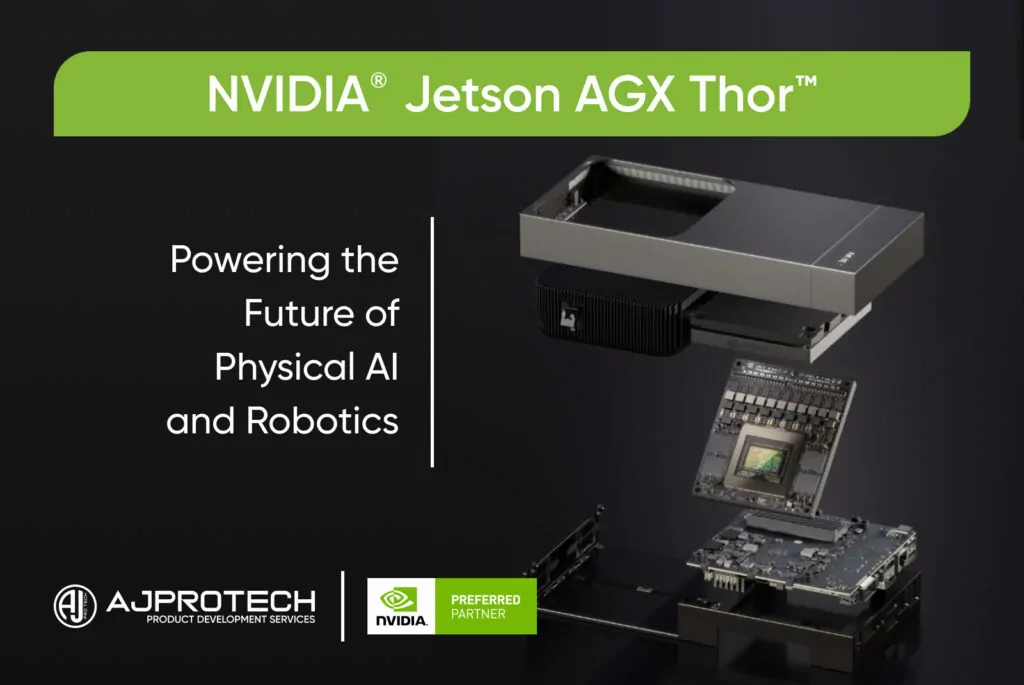
- Edge-focused GPUs, such as those from NVIDIA, are stars at parallel processing: ideal for robotics, complex computer vision, and demanding factory jobs.
- Specialized NPUs may outperform high-end GPUs for select machine learning tasks, often at much lower power consumption.
The best approach is to balance workload needs, future model complexity, and the ease of updating or migrating code. Thorough benchmarking, real-time performance criteria, and recognizing the specific strengths of each processor type all help ensure smart device design.
Power Efficiency and Device Size in Deployment
Most edge devices do not get to sip power from a convenient wall outlet. Often, power efficiency is the main event, particularly for IoT devices, wearables, or remote deployments. Imagine a security sensor braving a winter fencepost; it cannot plug in for a recharge.
- Low-power CPUs and MCUs are great for minimal tasks, but more complex AI (like computer vision) demands energy-efficient accelerators.
- Small form factors, such as coin-sized devices, require balancing power, performance, and heat without turning into pocket toasters.
- Efficient AI hardware might pair a neural processor with a main CPU, waking the bigger chip only as needed.
Designers must optimize for environment, lifespan, and available space. The rule: Use only as much silicon as needed, or risk a hungry battery and lost performance. At AJProTech, we specialize in navigating these trade-offs for project success.
Connectivity, Environmental, and Longevity Challenges
Reliable connectivity is crucial for edge computing. A factory sensor may always enjoy Wi-Fi, but devices under bridges, inside turbines, or in dusty corners often won’t.
- Edge AI hardware must perform inference locally and store results, even when network connections are spotty.
- Physical ports matter for sensors and maintenance, but so do protections against weather, vibration, and persistent wildlife.
- Durable enclosures, protective coatings, and miniaturized components keep devices running even in harsh settings.
Device longevity is about more than outer strength. Will your accelerator still accept firmware or model updates in 3 years? Is it possible to tweak the model if security threats arise? Smart engineers focus on processors resilient against temperature swings and plan for over-the-air updates whenever possible. The motto: prepare for the worst, hope for the best, and always have an update plan in your back pocket.
Use Cases and Deployment Strategies
Popular Edge AI Applications and Real-World Examples
Edge AI applications span diverse industries, each with its own demands and quirks. The central appeal of edge AI is running smart analysis locally, at the source of data (your sensor), instead of in distant data centers. This ability is changing fields such as:
- Robotics: Edge AI hardware enables real-time navigation and object detection, preventing robots from colliding with your furniture.
- Industrial automation: Edge computing lets fast cameras inspect production lines, catching defects instantly.
- Retail: Edge devices track customer traffic, count footfalls, and monitor shelf inventory, all securely, with data staying onsite.
- Wearables: Smartwatches and health monitors provide immediate, AI-powered insights like heart rate trends or sleep analysis without shipping pulse data to the cloud.
- Agriculture: Edge AI guides irrigation and pest control as microcontrollers use low-power AI models to automate farm tasks.
- Traffic management: Embedded AI enables instant vehicle counting and license plate recognition for smoother city flow.
- Consumer appliances: Smart fridges keep tabs on groceries, and security cameras distinguish raccoons from robbers using onboard neural processors.
All these solutions depend on carefully pairing the hardware’s computing power to the specific workload. Whether deploying a robust GPU, nimble edge processor, or specialized accelerator, the choice of hardware is critical for swift, reliable, and efficient AI inference.
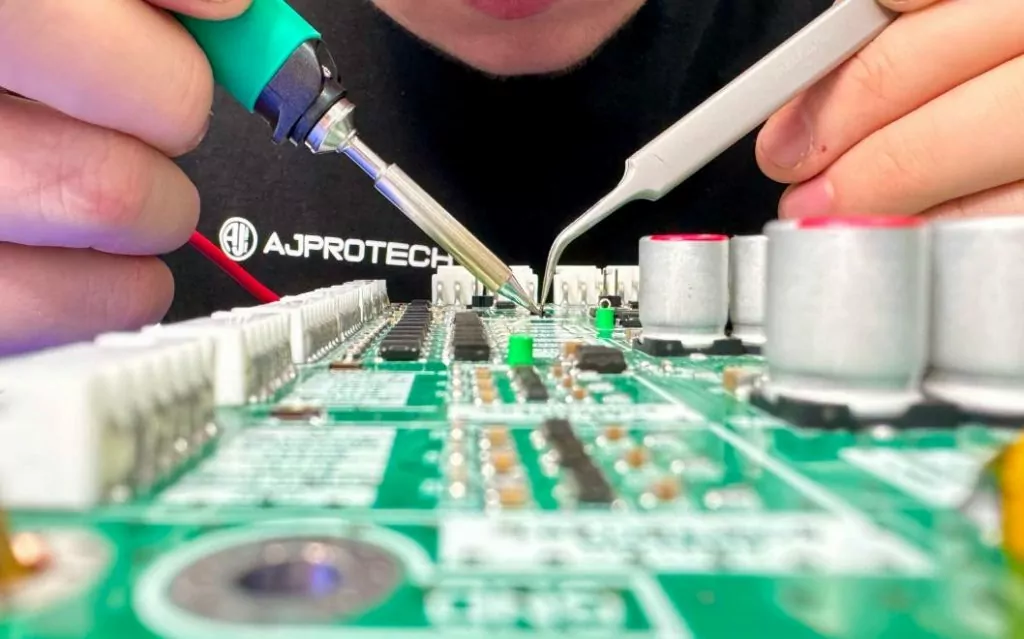
Edge AI Hardware Market: Growth, Drivers, and Industry Direction
The global edge AI hardware market is accelerating rapidly, with industry estimates projecting it to approach $60 billion in 2030. This surge reflects a broader shift away from cloud-only processing toward localized, real-time intelligence embedded directly in devices.
Instead of sending massive data streams to distant data centers, modern edge systems perform AI inference on-device using CPUs, GPUs, and increasingly specialized NPUs (neural processing units). This enables ultra-low latency, improved privacy, and significant energy savings critical for industrial automation, robotics, smart cameras, wearables, and IoT infrastructure.
Firms like NVIDIA are advancing integrated GPU-based edge platforms, while engineering consultancies such as AJProTech highlight a growing push toward modular, energy-efficient, and ruggedized edge AI systems built for real-world deployment.
Key drivers shaping edge AI hardware adoption:
- Explosion of IoT devices and sensors demanding real-time local processing
- Privacy-first architectures keeping sensitive data on-site instead of in the cloud
- Power and cost efficiency through specialized AI accelerators and optimized silicon
- Rugged, scalable hardware designs for industrial and autonomous environments
- Lean AI models enabling inference on smaller, embedded processors
In 2026, edge AI hardware is expected to be standard across both industrial systems and consumer products, from autonomous robots and smart infrastructure to connected appliances and predictive wearables. As AI moves closer to where data is generated, the strategic choice of processors, accelerators, and system architecture will increasingly define performance, cost, and competitive advantage in edge deployments.