

Taiwan Tariffs in 2026: What Hardware Teams Should Do First
In 2026, Taiwan tariffs should be treated as planning variables, not fixed engineering inputs. Hardware teams do not need to predict the final tariff rate between the U.S. and Taiwan; they need to reduce supply-chain exposure before purchase orders, tooling, and production plans are locked.
The right starting point is the BOM, or bill of materials. That is where tariff exposure, chip availability, redesign risk, and cost pressure become visible.
Start with five practical moves:
- Score every key component by tariff exposure, lifecycle risk, and redesign difficulty.
- Identify second-source options for MCUs, PMICs, radios, memory, and sensors.
- Qualify alternate parts during EVT or DVT, not after PVT.
- Reduce single-point failures in semiconductor supply.
- Map logistics options for duty exposure, customs delays, and distributor allocation.
Trade negotiations matter, but they are background noise for engineering teams. The real risk shows up part by part, supplier by supplier, and build by build.

What “Taiwan tariffs” actually mean for a hardware BOM
The headline tariff rate is only the surface. The real landed cost depends on HTS classification, country of origin, assembly path, freight routing, and whether the part is imported alone or already mounted inside a larger system.
Before making sourcing or redesign decisions, teams should check the official U.S. sources:
- the U.S. International Trade Commission’s Harmonized Tariff Schedule for duty classification
- CBP guidance for how tariffs are administered and interpreted at import
- USTR materials for the latest U.S.-Taiwan reciprocal trade framework.
These sources will not replace a customs broker or trade counsel, but they are a better starting point than tariff headlines or supplier summaries.
A Taiwanese chip, a radio module, a PCBA, an enclosure, a charger, and a boxed finished product can all receive different customs treatment. When tariff headlines move, use them as a prompt to review the BOM, but do not make sourcing decisions until the actual duty exposure is checked through the U.S. Harmonized Tariff Schedule, CBP notes, distributor documentation, and customs counsel when needed.
Hedge 1: Rank every component by risk
Before chasing new suppliers, map the risk across the BOM. A cheap IC with no qualified alternative can stop production just as easily as a shortage of the main processor.
Check each semiconductor line for:
- Part category and approved vendor list status
- Lifecycle stage: active, NRND, or end of life
- Wafer fab, packaging, test, and final assembly location
- HTS classification and expected duty exposure
- Sole-source risk, firmware dependency, and quoted lead time
Mark each line green, yellow, or red. Red should mean no qualified alternate, long lead time, custom firmware dependency, or a part that is expensive enough to materially affect the total BOM.

Hedge 2: Line up second sources before DVT
Second-source planning should happen before the schematic and PCB layout are locked. After DVT, key chips are already tied to board layout, drivers, RF behavior, thermal margins, and certification evidence.
Prioritize alternates for:
- MCUs and PMICs
- RF transceivers and wireless modules
- Memory and sensors
- Connectors and other supply-sensitive parts
- Battery chargers and common interface ICs
A matching pinout is not enough. Teams also need to check voltage rails, package compatibility, temperature range, firmware support, SDK maturity, regulatory impact, and real production availability.
Hedge 3: Know where dual sourcing works, and where it hurts
Dual sourcing works best when the part is standardized, well documented, and easy to validate without changing the product architecture. It is much harder when the component touches RF, firmware, safety, certification, or core system performance.
Good dual-source candidates often include:
- Regulators
- Memory
- Passive networks
- Common sensors
- USB bridges
- Battery chargers
- Some wireless modules
Riskier categories include ASICs, custom RF, AI accelerators, high-speed memory interfaces, medical-grade parts, and tightly integrated wireless SoCs. In these cases, an alternate part may require PCB changes, antenna retuning, regulatory retesting, or firmware rework.
Hedge 4: Treat second-source qualification as engineering work
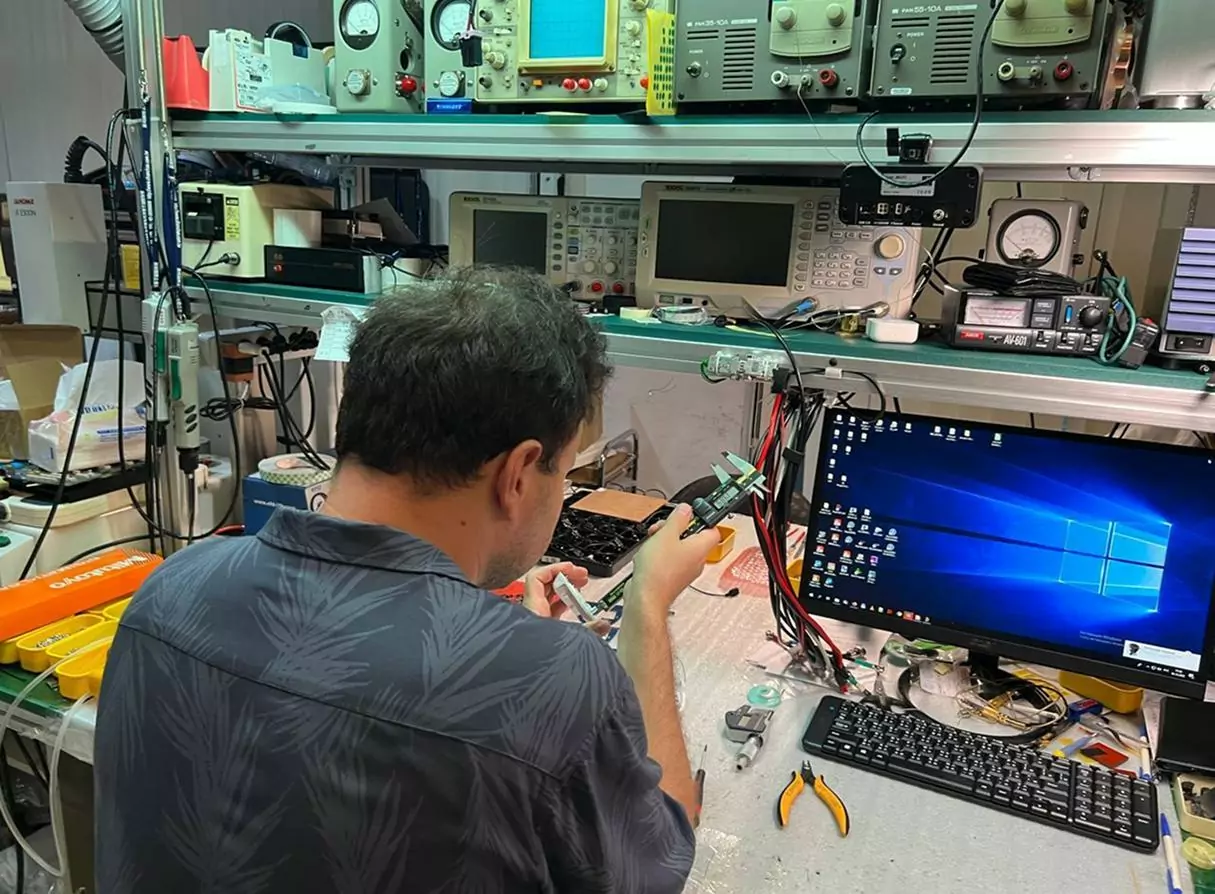
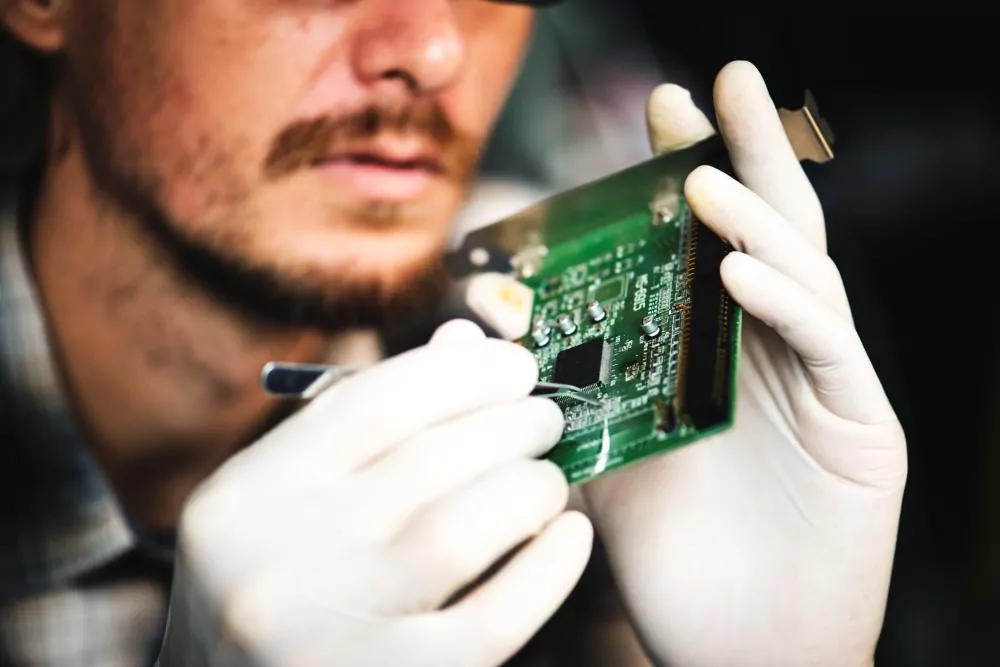
A second source only helps if it has passed real validation. Even a “pin-compatible” chip can create boot timing issues, lower yield, or introduce subtle failures after purchasing thinks the problem is solved.
A proper qualification path should include:
- Datasheet and schematic review
- Firmware bring-up
- Bench validation
- EVT sample build
- DVT regression testing
- Supplier review
- Pilot run
- Controlled production release
Bench testing should cover power stability, boot behavior, I2C/SPI/UART communication, RF output, thermal rise, EMI pre-scan, and failure rates across sample lots. Release the alternate only when the difference report is clean and the factory can run the same test flow for both parts.
Hedge 5: Rebalance the supply chain without losing traceability
Rebalancing does not mean moving the entire supply chain at once. In many cases, teams can shift one sensitive step, such as packaging, test, PCBA, final assembly, or fulfillment, while keeping the wafer source stable.
Before changing regions, secure:
- Country-of-origin documentation for tariff-relevant parts
- Lot tracking from reel to finished unit
- Supplier declarations for origin and process location
- Firmware version control tied to production batches
- Engineering change orders for every approved move
A cheaper build route can backfire if it breaks origin proof or lot traceability. Tariff savings are only useful if the customs file can support them.
Hedge 6: Reroute logistics only after checking the rules
Rerouting can reduce delay or improve flexibility, but it does not automatically change origin. If a chip or module is still classified as Taiwanese-origin under customs rules, the duty may still apply even after transshipment.
Before rerouting, review:
- Air freight versus ocean freight
- Bonded warehouses and free trade zones
- Partial kitting when one constrained IC blocks PCBA
- Regional final assembly and whether it changes origin classification
- HTS codes, COO certificates, invoices, and packing lists
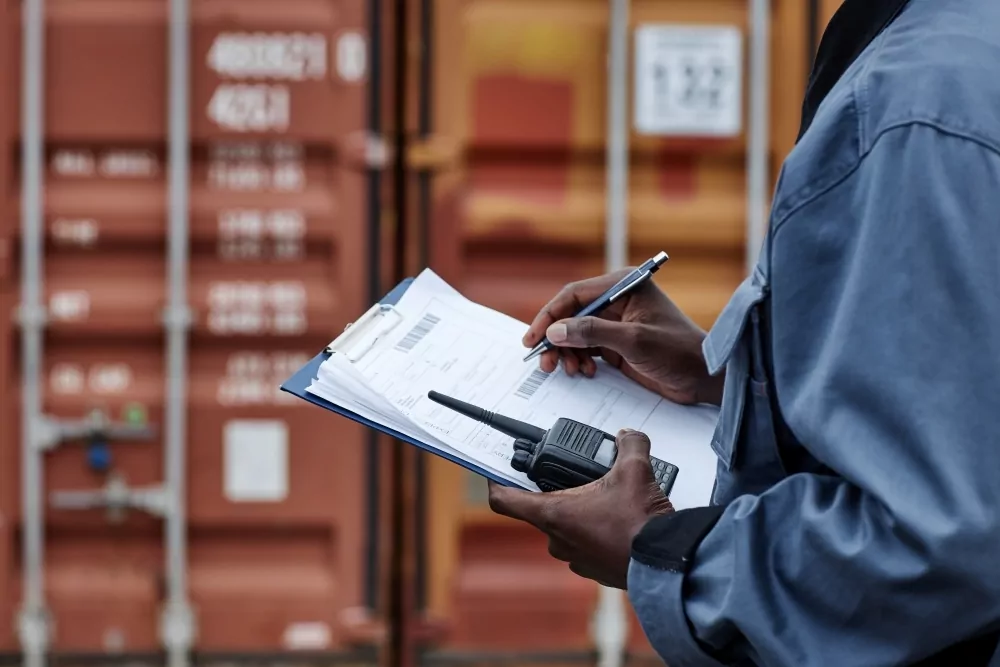
For HTS classification and origin analysis, work with a customs broker or trade lawyer. In tariff planning, paperwork matters more than assumptions.
The takeaway for hardware founders
Taiwan tariff risk is not something hardware teams can solve with a single supplier switch. The practical answer is to rank BOM exposure, qualify second sources early, rebalance only the steps that matter, and keep customs documentation strong enough to survive scrutiny.
The teams that handle this well do not wait for the final tariff headline. They build flexibility into the product and supply chain before the factory is asked to scale.
FAQ
What is the current tariff rate from Taiwan?
There is no single tariff rate for imports from Taiwan. Duty depends on HTS classification, product type, declared origin, and active trade measures, so teams should verify exposure through the U.S. HTS, CBP rulings, and official trade sources.
Does the U.S. impose tariffs on Taiwan?
Yes, U.S. duties can apply to imports from Taiwan depending on the item. For electronics, exposure should be checked at the component, module, PCBA, and finished-device level, because each may be classified differently.
What is the import duty from Taiwan to the USA?
Import duty from Taiwan to the U.S. varies by HTS code, declared value, country of origin, and applicable tariff programs. In electronics, an IC, PCBA, wireless module, accessory, and finished device may each receive different customs treatment.
Has Taiwan dropped tariffs?
In the 2026 reciprocal trade context, Taiwan has reportedly agreed to reduce or remove tariff barriers on many U.S. goods. That does not automatically lower U.S. duties on imports from Taiwan, so hardware teams still need to check their own BOM exposure.
What’s in the new U.S.-Taiwan Agreement on Reciprocal Trade?
The agreement points to reciprocal commitments, tariff reductions, non-tariff barrier changes, transparency measures, and broader supply-chain cooperation in areas such as semiconductors, AI, and energy. For hardware teams, the practical takeaway is to keep sourcing, qualification, and logistics plans flexible.
How should a hardware startup hedge chip supply if Taiwan tariffs rise?
Start with the BOM: score sole-source semiconductors, qualify second sources before DVT, verify HTS and origin exposure, and prepare at least one alternate logistics path. Waiting until purchase orders are due often leaves only expensive options, such as spot buys, rushed redesigns, or delayed production.