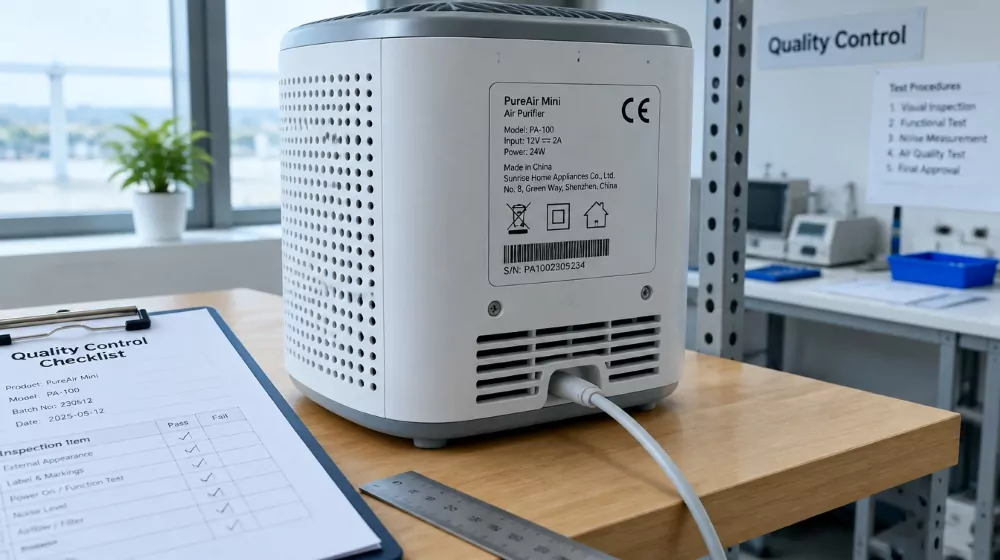

A digital product passport, or DPP, is a structured digital record linked to a physical product through a data carrier such as a QR code. It can include information on materials, origin, repair, recycled content, substances of concern, certifications, and end-of-life handling.
For electronics makers, the important point is that a connected product does not need a DPP simply because it has software or connectivity. The requirement applies only when an EU rule covering that product category, or its battery, requires one.

Two EU frameworks matter most:
- EU Battery Regulation: already defines passport and marking rules for certain batteries.
- Ecodesign for Sustainable Products Regulation (ESPR): creates the broader DPP framework, with requirements introduced product group by product group through delegated acts.
The main dates currently affecting electronics teams are:
| Product or rule | Requirement | Date / status |
| EV, LMT, and industrial batteries above 2 kWh | Battery passport | From 18 February 2027 |
| All batteries | QR code marking | From 18 February 2027 |
| Products with portable batteries | Battery removability and replacement requirements | From 18 February 2027, subject to specific derogations |
| Products covered by future ESPR delegated acts | Product-level DPP | Starts when the relevant act takes effect |
| Electronics and ICT | Future repairability, recycled-content, and recyclability measures | Planned through the ESPR working program, exact DPP obligations are still pending |
This distinction matters. Electronics companies should not assume that every device needs a full ESPR passport in 2027. Battery obligations arrive first, while broader electronics requirements will be introduced separately.
Where DPP Requirements Affect Product Design and Data
A DPP is partly a data-management problem and partly a hardware-design problem.
Product and supply-chain data
Much of the required information already exists somewhere inside the company, but it is often fragmented.
A BOM may contain part numbers, revisions, and suppliers. ERP systems may contain purchasing records. PLM systems may hold design revisions. Test reports, repair instructions, and supplier declarations may live elsewhere.
The difficult part is connecting that information to evidence.
For example, a material or substance claim should be tied to:
- The exact part number.
- The supplier.
- The relevant revision.
- The declaration or certificate supporting the claim.
- The date the evidence was issued.
Supplier documentation is often one of the slowest pieces to collect, so it is better to request it during sourcing than after production starts.
Battery rules can change the enclosure
For portable batteries, the regulation can affect mechanical design directly. From 18 February 2027, portable batteries generally need to be removable and replaceable by the end user using commercially available tools, unless a permitted derogation applies. Designs relying on permanent adhesive, heat, solvents, or proprietary tools may therefore need to change.
For small devices, that creates real trade-offs:
| Design area | What teams need to consider |
| Battery access | Whether replacement is performed by the user or an independent professional. |
| Fasteners | Screws, clips, and interfaces must survive repeated service cycles. |
| Water sealing | Gaskets and seals must continue working after battery replacement. |
| Software | Compatible replacement batteries cannot simply be blocked by software. |
| Spare parts | Replacement batteries may need to remain available for years after the final unit is sold. |
| Labeling | QR codes need a durable, readable location on the product. |
| NFC | Optional tags need space and appropriate RF clearance if used as an additional data channel. |
Wearables can qualify for narrower exemptions when user replacement would compromise safety, durability, size, or water resistance. But that decision needs a documented justification rather than being assumed.

For dense products such as AI wearables, battery access, sealing, charging, antennas, and sensor placement all compete for the same enclosure space. These decisions are much cheaper to resolve before tooling, so battery management system design belongs in the same review.
AJProTech works through these mechanical, battery, RF, and product-data trade-offs during product development rather than treating DPP preparation as a packaging task at the end.
How to Prepare a Product for DPP Requirements
A practical DPP process starts by separating what is already required from what may apply later.
Teams should first determine whether the product falls under:
- Battery passport requirements.
- Battery QR marking.
- Battery removability rules.
- A future ESPR delegated act.
- More than one of these at the same time.
From there, a useful process is:
- Map the applicable rules. Identify which obligations apply to the product and battery.
- Identify the data sources. Record where each required field currently lives and who owns it.
- Collect supplier evidence. Tie material and substance declarations to exact parts and revisions.
- Choose the identifier structure. Decide whether records are linked at model, batch, or individual-unit level.
- Define access rights. Separate public information from data intended for repairers, recyclers, or authorities.
- Assign lifecycle ownership. Someone must update the record after supplier changes, repairs, battery replacements, or firmware releases.
- Pilot the process. Test the DPP workflow on one SKU before the contract manufacturer freezes production.
For batteries, a QR code is mandatory where the regulation requires it. NFC can still be useful for service information or firmware data, but it does not replace the legally required carrier.
A company placing the product on the EU market remains responsible for the passport even if the data is hosted by a third-party provider.
For a product expected to launch in Europe in 2027, this work should begin before enclosure tooling and production documentation are frozen. Battery access, label placement, spare-part planning, and supplier traceability are all difficult to fix late.
AJProTech helps hardware teams prepare these requirements alongside mechanical design, battery architecture, BOM development, compliance planning, and production readiness.

FAQ
Does a DPP apply to products made outside the EU?
Yes. The rules follow the product placed on the EU market, not the location of the manufacturer. A US or Asian company selling into Europe can still be subject to the same requirements.
Does every electronic product need a DPP in 2027?
No. Battery requirements take effect first. Product-level ESPR passports for electronics depend on future delegated acts covering specific product groups.
Our advice: fold DPP work into CE and EU launch planning instead of letting it arrive as a packaging task after validation.
Is a QR code the same as a digital product passport?
No. The QR code is only the access point. The passport is the structured product record behind it, including identifiers, data, access controls, and lifecycle updates.
Does a small wearable battery need a battery passport?
Usually not. Battery passports apply to EV batteries, LMT batteries, and industrial batteries above 2 kWh. Small wearable batteries can still face QR marking, replacement, spare-part, and software requirements.
Can NFC replace the QR code?
Not when the regulation specifically requires a QR code. NFC can be added as another way to access service or product data, but it does not replace the required carrier.
Who should own DPP data inside the company?
One clearly assigned owner should coordinate the record across engineering, sourcing, compliance, service, and manufacturing. Supplier changes, repairs, battery replacements, and firmware updates can all affect what the passport should contain.