




FCC certification is part of the equipment authorization process for electronics sold in the United States. It can affect the PCB layout, antenna design, launch timeline, certification budget, and the date a product can legally enter the market.
Most connected hardware should be reviewed for FCC requirements early. Modern products often combine radios, MCUs, switching regulators, displays, sensors, cables, batteries, and dense PCB layouts. Any of these can create EMC or radio frequency issues if the design is not controlled from the start.
Common products that may need FCC planning include:
- IoT sensors, wearables, GPS trackers, and smart home devices.
- Audio devices, chargers, industrial controllers, computers, and displays.
- Products with Bluetooth, Wi-Fi, cellular, or other wireless modules.
- Electronics with fast clocks, MCUs, switching power supplies, motors, or USB interfaces.
Using a pre-certified wireless module can reduce risk, but it does not automatically certify the finished product. The host design still needs to respect antenna placement, enclosure materials, grounding, power supply noise, firmware settings, and integration limits.
This is where many launch delays begin. A product can pass early functional testing and still fail emissions testing later because of PCB layout, antenna placement, cable routing, or power-tree noise.
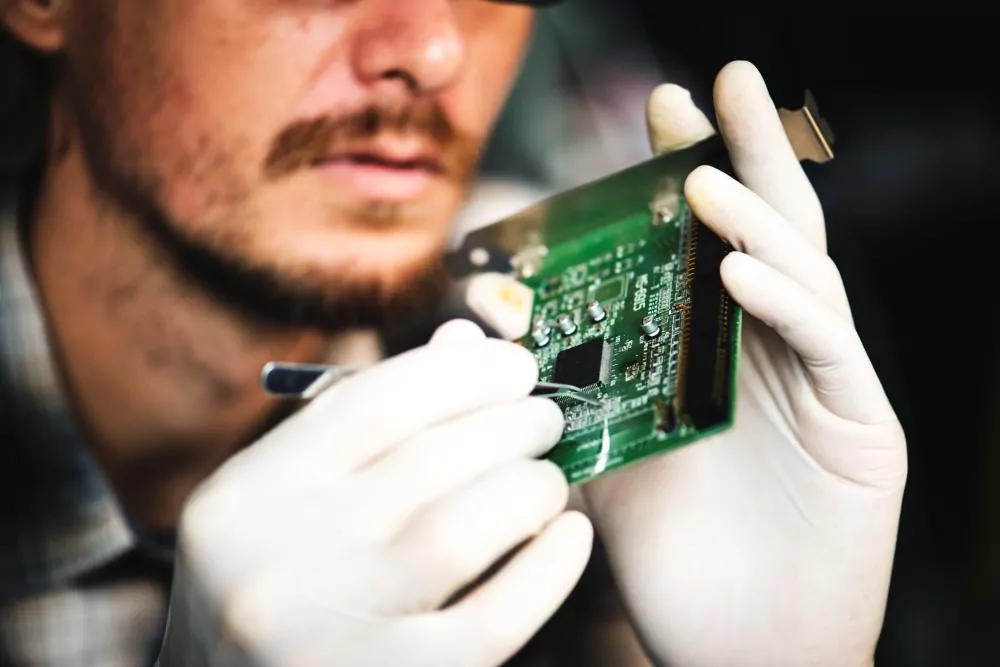
For founders, the FCC decision map should be clear before EVT and DVT:
- Which FCC rules apply to the product?
- Is the device an intentional or unintentional radiator?
- Does the product need FCC certification, SDoC, or both?
- Can a pre-certified module be used without breaking integration rules?
- What EMC and RF risks should be fixed before the PCB is frozen?
At AJProTech, FCC risk is treated as an engineering issue, not a last-minute paperwork task. The earlier the compliance path is defined, the easier it is to avoid PCB respins, failed tests, certification delays, and missed launch windows.
FCC Approval, SDoC, and Certification: Choosing the Right Authorization Path
The FCC authorization path depends on how your product emits radio frequency energy. A digital-only device may follow the Supplier’s Declaration of Conformity route, while a product with Bluetooth, Wi-Fi, cellular, or another transmitter usually needs formal certification.
For founders, this decision affects cost, testing, labeling, documentation, and launch timing.
| Authorization path | Typical fit | What founders should expect |
| Supplier’s Declaration of Conformity | Many unintentional radiators, including digital electronics, peripherals, and some power supplies. | The manufacturer or importer keeps compliance records and prepares required labels and user manual statements. |
| FCC certification | Intentional radiators, including Bluetooth, Wi-Fi, cellular, and proprietary RF products. | The product is tested by a lab, reviewed by a TCB, assigned an FCC ID, and listed in the FCC database. |
| Modular approval | Products using pre-certified wireless modules under approved conditions. | It can reduce RF risk, but the final product still needs proper integration, labeling, and Part 15 checks. |
The test chamber is only part of the process. The paperwork and product records matter as well, especially if the device changes after testing.
Before booking a lab slot, teams should prepare:
- FCC registration details and responsible party information.
- Product documentation and certification application materials.
- Test reports and technical mapping to FCC requirements.
- FCC label, FCC mark, and user manual statements.
- Details of the US responsible party or agent, where required.
- A process for tracking design changes that may trigger retesting or recertification.
The FCC path should be mapped before the enclosure and RF layout are already locked. A late change in antenna placement, shielding, PCB layout, or enclosure material can turn a straightforward test plan into a costly redesign.
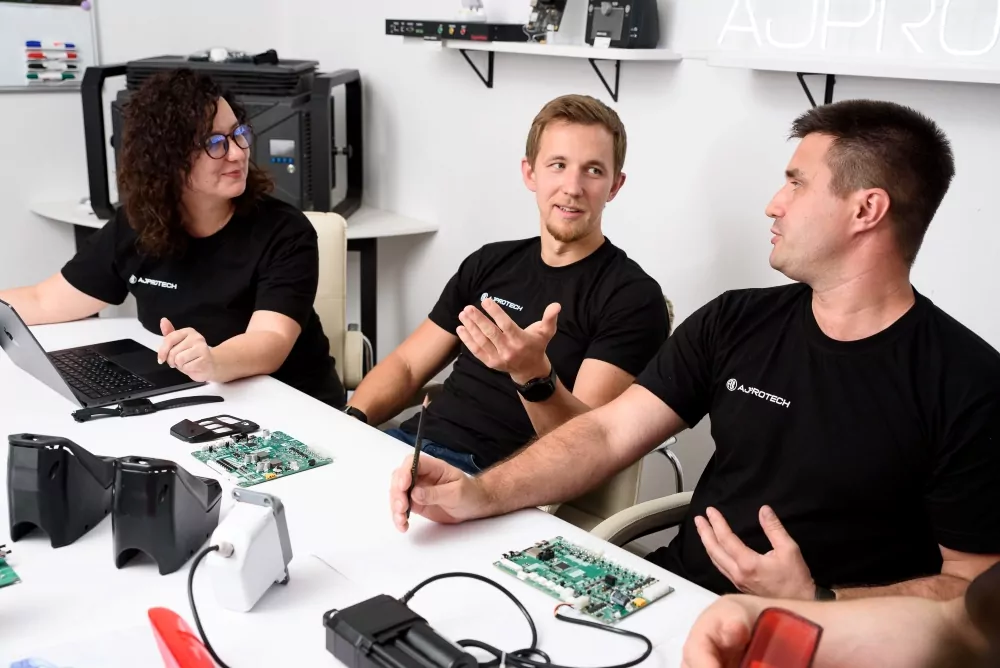
At AJProTech, FCC planning is integrated with engineering milestones. This helps founders avoid treating compliance as a final paperwork step and reduces the risk of failed EMC or RF testing close to launch.
How Much FCC Certification Costs and How Long It Takes in 2026
FCC certification cost depends on the product’s emissions profile, radio setup, enclosure, antenna design, and whether the device passes testing the first time. A simple unintentional radiator usually costs far less than a connected product with Wi-Fi, BLE, cellular, GNSS, or custom RF.
For planning, founders should think in ranges:
| Product type | Practical 2026 planning budget | Typical timeline |
| Simple SDoC device | $2,000–$5,000 | 2–4 weeks |
| Wireless product with certified module | $7,000–$12,000 | 4–8 weeks |
| Custom RF or multi-radio device | $15,000–$40,000+ | 8–16 weeks |
| Cellular or complex connected device | $40,000–$100,000+ | 3–6 months, more with retesting |
These numbers should be treated as launch-planning ranges, not fixed prices. A clean test pass keeps costs near the lower end. PCB respins, antenna changes, enclosure revisions, firmware power changes or failed pre-scans can quickly add thousands of dollars and several weeks to the timeline.
The biggest cost drivers are usually technical, not administrative:
- Device type and whether it is an intentional radiator.
- Radio complexity, such as BLE-only versus Wi-Fi, cellular, and GNSS.
- Whether the product uses a pre-certified module or custom RF design.
- Antenna type, placement, enclosure materials, and cable routing.
- Required test scope, including emissions, RF output power, spurious emissions, bandwidth, and MPE where needed.
- Retesting after PCB, enclosure, cable, or firmware changes.
A realistic timeline often includes 1–2 weeks for pre-scan testing once hardware is ready, followed by 1–3 weeks for formal lab testing. TCB review and the FCC grant can be quick if the file is clean, but it may take longer when documentation, RF behavior, or integration details need clarification.
The FCC defines the rules, but it does not control lab availability, test quotes, or your launch date. Founders should build a schedule buffer before committing to purchase orders, retail launch dates, or investor milestones.
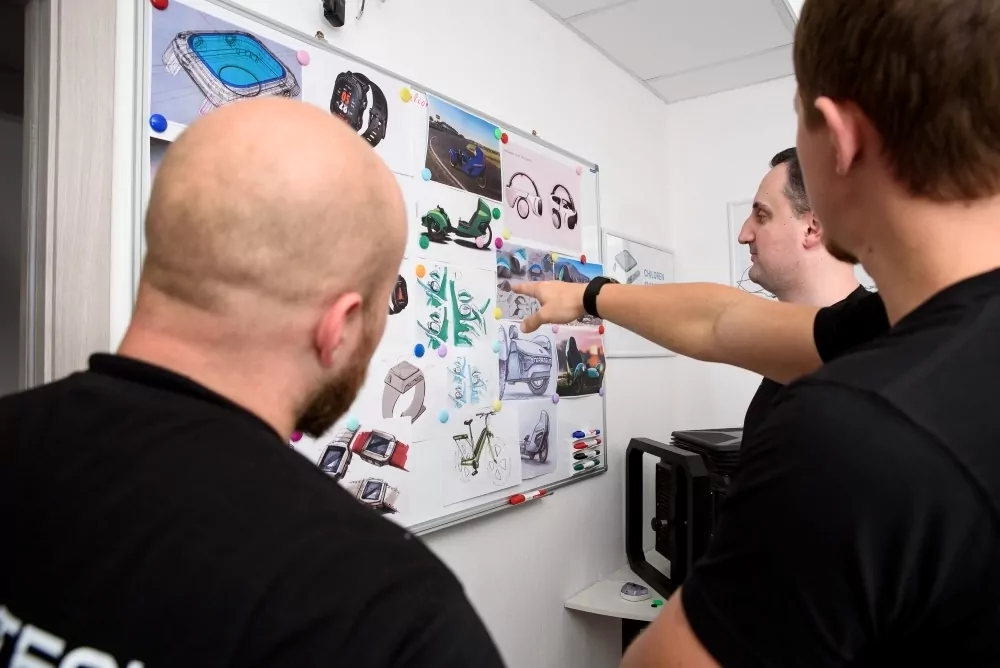
The practical lesson is simple: most late-stage FCC failures are engineering problems, not paperwork problems. If EMC and RF risks are reviewed before the PCB, antenna layout, enclosure, and firmware power settings are locked, certification is much easier to plan and far less likely to delay launch.
FCC vs CE, Canada, and Mexico: what approval does not cover
FCC certification only applies to the United States. It does not automatically approve your product for Europe, Canada, Mexico, or other markets.
For Europe, CE marking may cover EMC, radio, safety and other requirements. In Canada, many wireless products need ISED approval. In Mexico, wireless, GPS, charger, gateway, or telecom-connected products may require CRT approvals.
FCC also does not replace UL testing, battery safety, medical clearance, cybersecurity review, or retailer-specific compliance checks. Map target markets early so packaging, labels, documentation, and test reports are ready before sales begin.
If you’re about to move from DVT into certification-stage builds, our hardware engineering team guides products through FCC/UL planning, testing, and DFM, so compliance surprises don’t knock you off track at the last minute.