


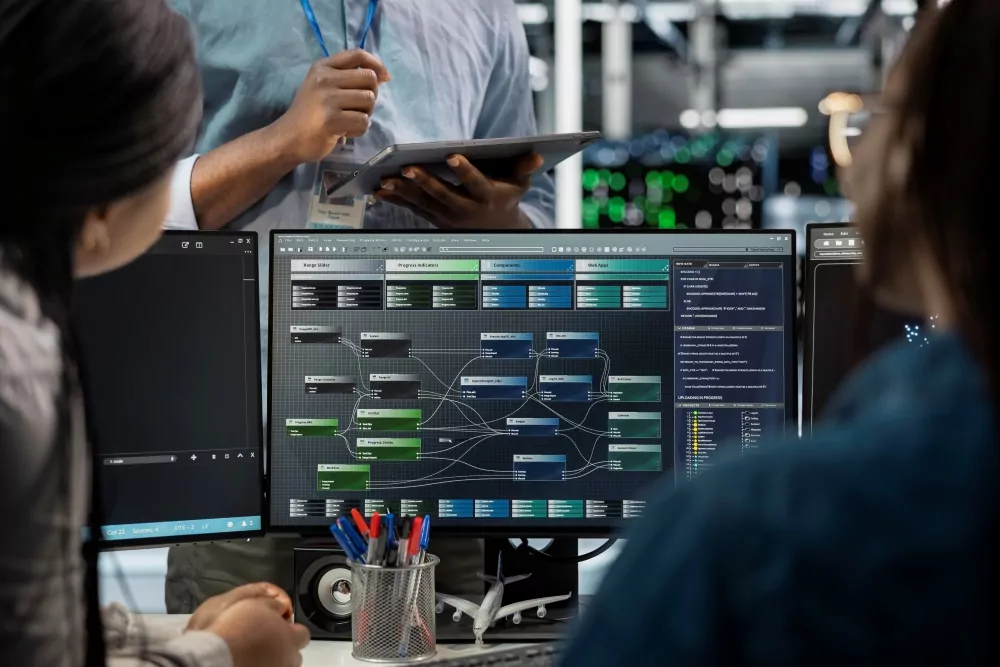
The integration of AI into the design process is no longer science fiction. It’s now a practical reality, embraced by seasoned professionals and startups bringing bold new ideas to market. What makes artificial intelligence essential to mechanical and PCB design? Practical automation.
Tasks that used to take hours are now handled by AI. Rather than scrolling endless lists or second-guessing manual calculations, teams now benefit from sharper optimization and fewer interruptions to creativity.
Generative AI tests variants in seconds, offering options at lightning speed. Machine learning algorithms help identify patterns in vast design libraries, making it easier to refine each workflow cycle. The result? Fewer mistakes, faster iterations, and more time for true design vision, not busywork.
Which Tasks Are AI’s Best Friends?
Not all engineering jobs suit automation, but many do. In mechanical design:
- Optimization algorithms suggest many valid options for better airflow or reduced weight.
- Machine learning remembers successful designs and suggests improved solutions for new challenges.
- AI applications in PCB design can auto-place components and route traces, enhancing performance quickly.
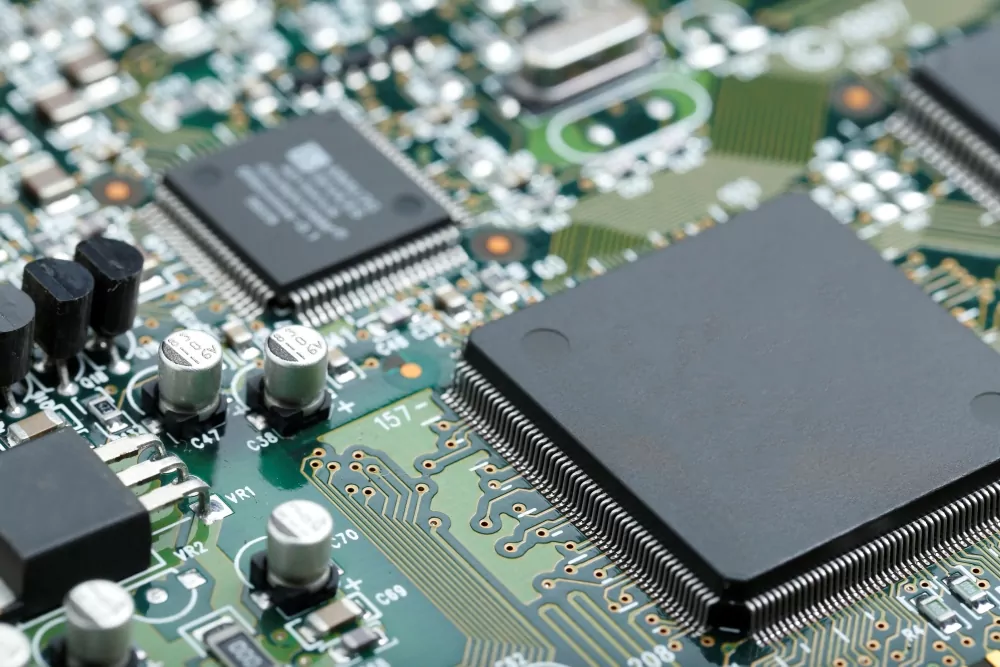
Even documentation gets easier. Natural language models generate notes, compile test plans, and draft compliance checklists with fewer errors. Predictive systems analyze design data, warn about possible faults, and help avoid costly failures.
Thanks to these AI strengths, workflow cycles are faster, have fewer errors, and keep engineers focused on difficult, creative tasks that still require a human touch.
Knowing the Boundaries: Where AI Should Not Take the Wheel
No honest discussion of AI would ignore its limits. While automation covers many steps in mechanical and PCB development, some things should always involve human oversight. For example:
- Safety-critical product features require deep expert review, not just algorithms.
- AI refines and optimizes, but can’t invent new engineering laws or take radical creative leaps outside historic data.
- Regulatory issues or first-of-their-kind innovations require context and judgment that AI lacks.
While predictive tools can warn of many errors, they may miss context-specific risks no software has seen. So, use AI to streamline revisions and optimize geometry, but keep humans in charge of key decisions. Let AI act as the helpful assistant: fetching, checking, and proposing, while people make the final calls.
Faster with AI: Automate CAD, Design Reviews, and Engineering Knowledge Management
There’s no prize for sorting hundreds of CAD files, but every mechanical engineer has run that marathon. Here’s where AI shines: turning tedious work into a sprint. Generative AI is now a creative partner, able to take broad constraints in CAD and deliver clever, workable designs with unmatched speed.
- AI-powered CAD tools turn ideas from rough sketches into refined options without the wait.
- Generative design algorithms produce dozens or thousands of mechanical options that meet weight, strength, or thermal requirements.
- AI tracks data like tensile strength or PCB trace widths, using machine learning to propose optimal iterations, not just possibilities.
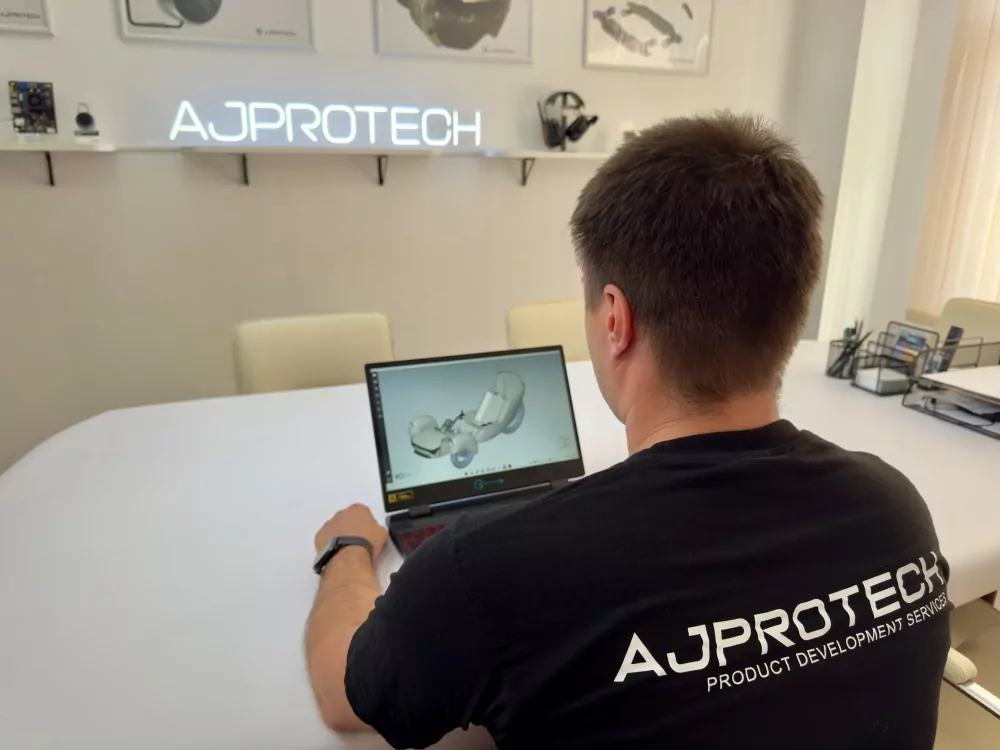
For startups, AI-driven CAD means:
- Fewer costly mistakes before a prototype is even built
- Shorter design cycles, leading to savings on materials and labor
- A brainstorming session with “virtual experts”.
Letting AI automate design searches, generate solutions, and predict common pitfalls allows mechanical engineers to innovate more, prototype faster, and avoid expensive missteps. Thanks to AI, projects can jump from idea to prototype in mere weeks, trimming both cost and stress.
Curious how hardware is changing? See how hardware development evolves as AI moves from helpful assistant to key team player.
Automate Design Reviews and Quality Assurance with AI
Most design errors turn up late, often spotted by whoever’s spent longest with the schematic. AI changes this. Smart tools now review mechanical designs and PCB layouts, hunting for missing tolerances or floating parts that human reviewers might skip. AI brings relentless focus, checking for Design for Manufacturing (DFM) compliance and learning from past mistakes.
- AI prevents small errors from turning into major field failures or recalls.
- Reviews take less time, and design standards grow as AI adapts to your company’s needs.
- Less reliance on individual experts and more confidence in documented, consistent quality.
Machine learning also fine-tunes reviews by learning from each project. For teams with lean staffing, AI can mean the difference between a clean launch and weeks spent fixing overlooked issues. As teams grow, AI-driven onboarding and knowledge management also help preserve and share hard-won lessons, reducing the learning curve.
Put simply, by using AI to automate design reviews, teams gain cost control, reduce risk, and launch with confidence, all while focusing their talent on the toughest creative challenges.
Cost of Development: How AI Helps Mechanical Engineers and Startups
AI can help you reduce development costs by automating repetitive work, improving design decisions, and cutting down the number of expensive physical iterations.
Instead of spending hours reviewing CAD files, updating component lists, or managing design changes manually, teams can use AI tools to speed up routine engineering tasks. Generative AI can explore thousands of design variations quickly, while AI-assisted simulation can deliver predictive results much faster than traditional workflows. This allows startups to test more ideas, catch mistakes earlier, and move toward production with less waste.
| Cost-Saving Area | How AI Helps | Impact for Startups |
| Manual engineering tasks | Automates CAD review, component list updates, documentation, and iteration tracking. | Saves engineering hours and lets small teams focus on higher-value work. |
| Design exploration | Generates and compares many design variants from one set of requirements. | Helps teams find better solutions faster without extending the design cycle. |
| Simulation speed | Provides predictive results much faster than traditional simulation workflows. | Reduces waiting time and supports quicker technical decisions. |
| Physical prototyping | Identifies weak points earlier and reduces the need for repeated prototype builds. | Lowers material costs, testing costs, and development waste. |
| Error detection | Spots design faults by referencing past project data, standards, and known failure patterns. | Prevents costly rework before problems reach manufacturing. |
| Component selection | Connects teams with component libraries, alternatives, and best practices. | Speeds up procurement decisions and reduces the risk of choosing unsuitable parts. |
For startups, even trimming a design cycle by 10% can mean reaching the market before a competitor without increasing the budget. AI-powered engineering workflows make development faster, more informed, and less dependent on trial and error.
Benefits of AI for Mechanical Startups
Startups in mechanical and PCB engineering face tough odds: small teams, tight budgets, little room for error. Yet, AI can be the secret weapon to even the odds:
- AI automates form-filling, stress testing, and knowledge sharing, even when just one engineer is on the team.
- Generative AI offers many solutions from a single set of requirements, expanding creative options.
- Machine learning catches mistakes early, preventing costly rework and wasted time.
- AI helps match components to requirements, suggests better options, and spots issues before procurement begins.
- Natural language tools allow newcomers to access company standards and previous lessons fast, helping onboard new staff and avoid past errors.
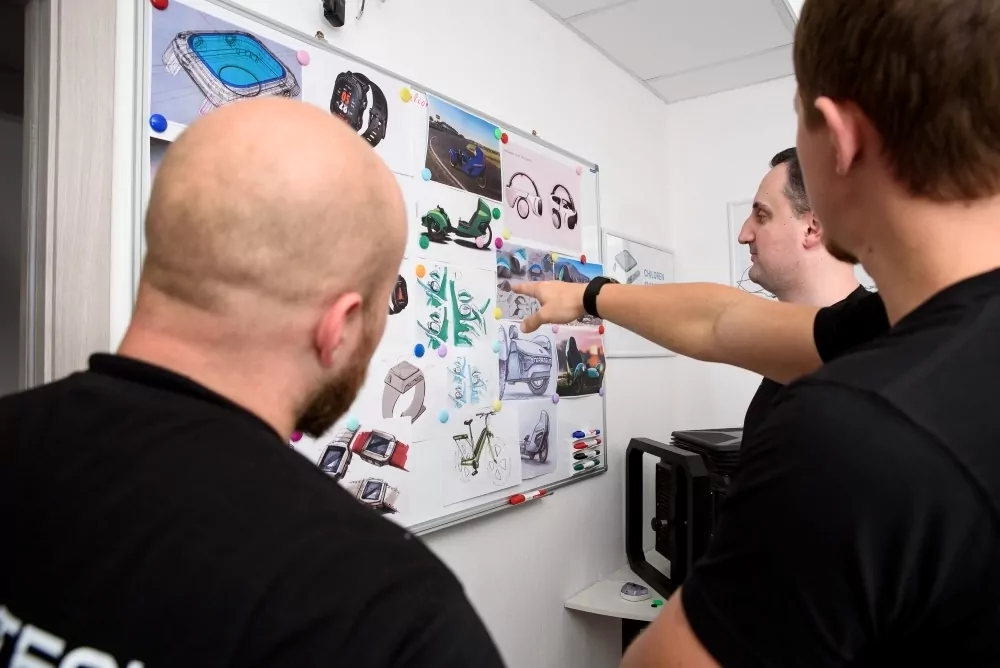
For startups, each engineering hour stretches further and each dollar goes farther. The workflow feels guided, not overwhelming, as if AI were quietly steering clear of major detours. Those who embrace these tools not only move faster and waste less, but also gain a real edge over bigger competitors.
AJProTech supports founders from concept to mass production, using the latest advancements in AI to enhance product design, mechanical and electrical engineering, rapid prototyping, testing, and manufacturing support. Explore our hardware development expertise and learn how AJProTech can help turn your idea into a reliable, production-ready product.